October 15, 2026
by Catherine Scott

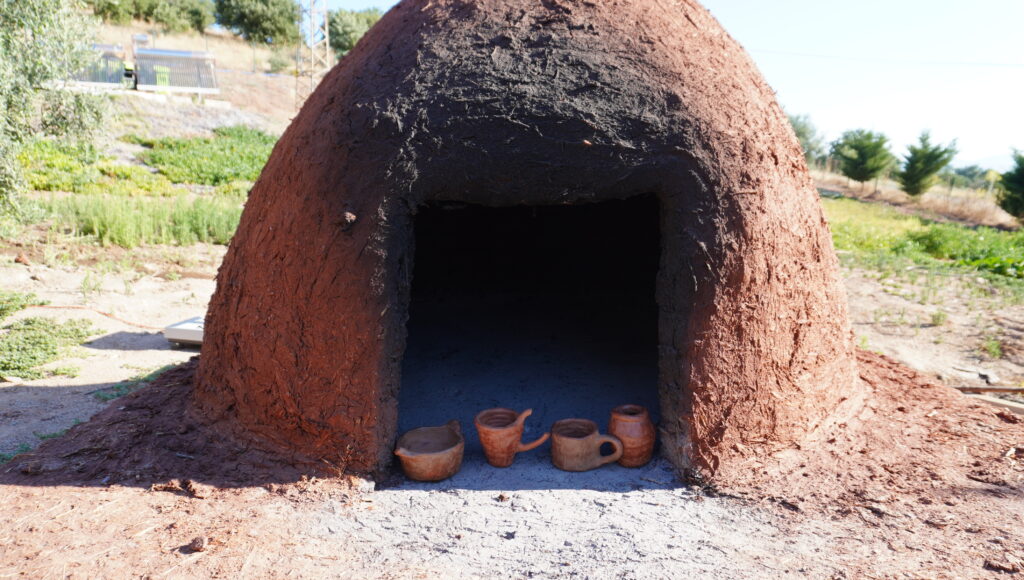
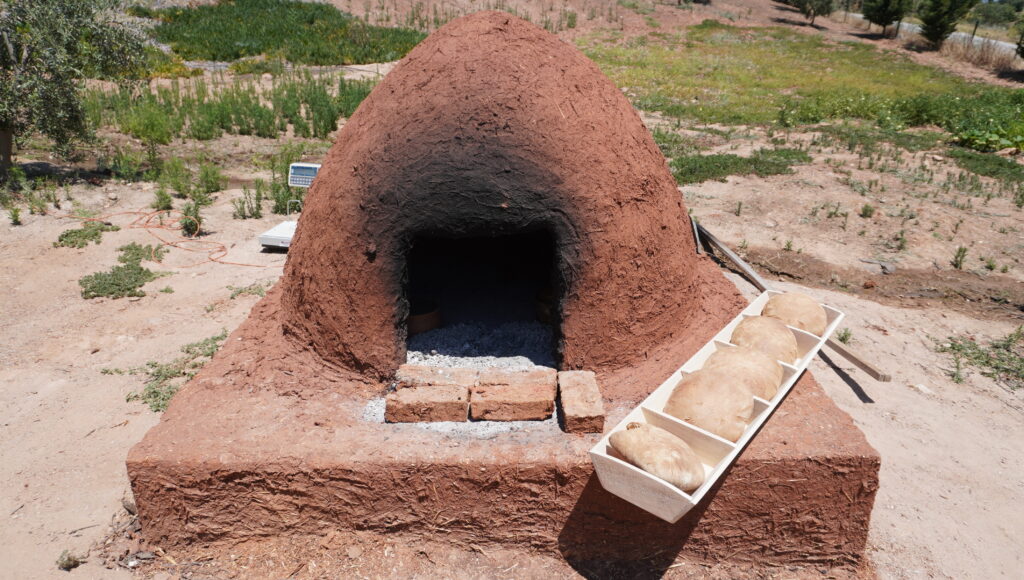
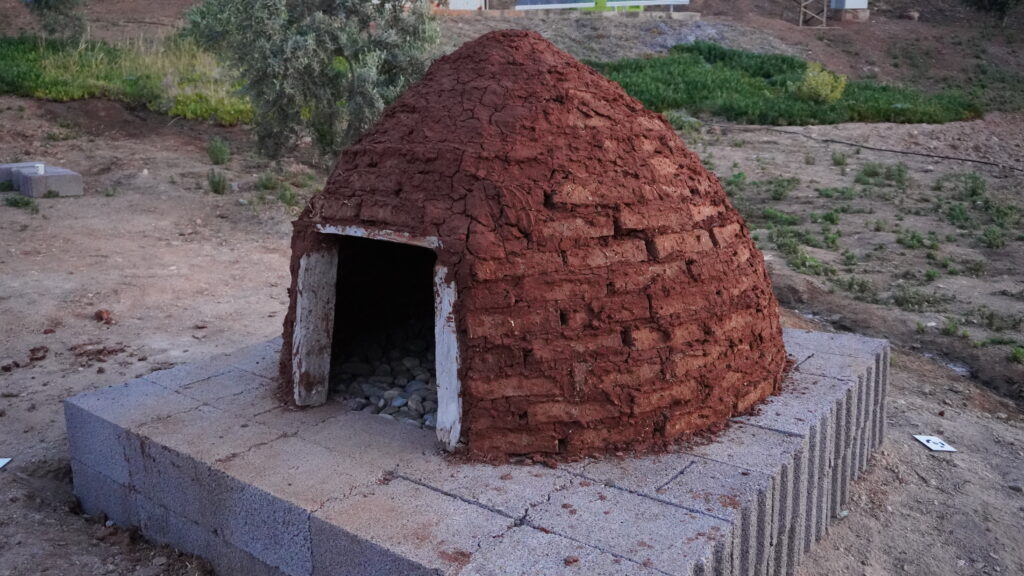
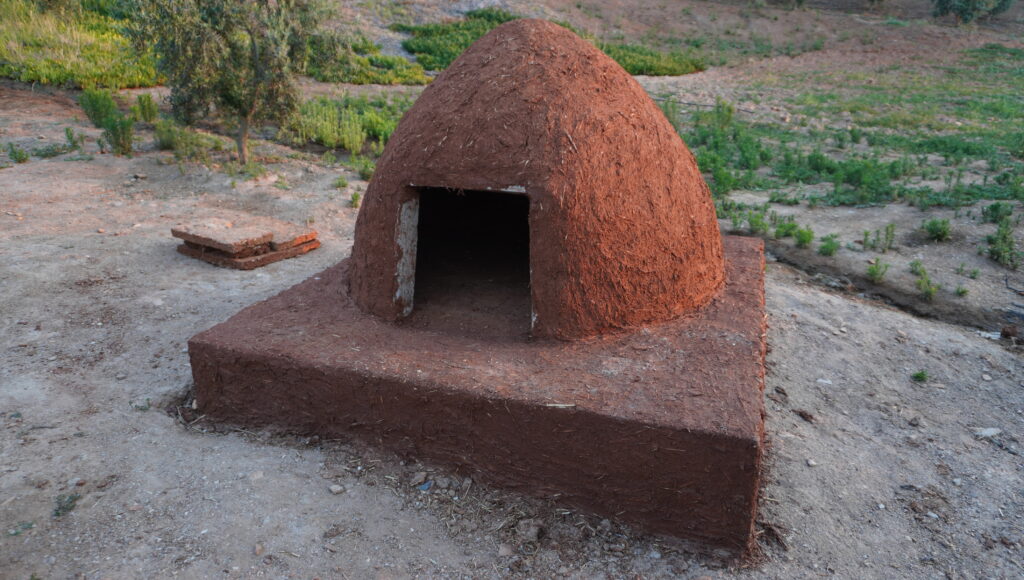
With support from the Richard C. MacDonald Iliad Endowment, Catherine Scott and her team of researchers conducted a season of experimental archaeology in western Anatolia, building and testing three types of fire installations based on Bronze Age archaeological evidence. Below, the research team shares what they learned and how their findings will inform future research at Kaymakçı:
Thanks to the support of the Archaeological Institute of America and the Richard C. MacDonald Iliad Endowment, we had a very successful season of experimental research on fire installations in western Anatolia.
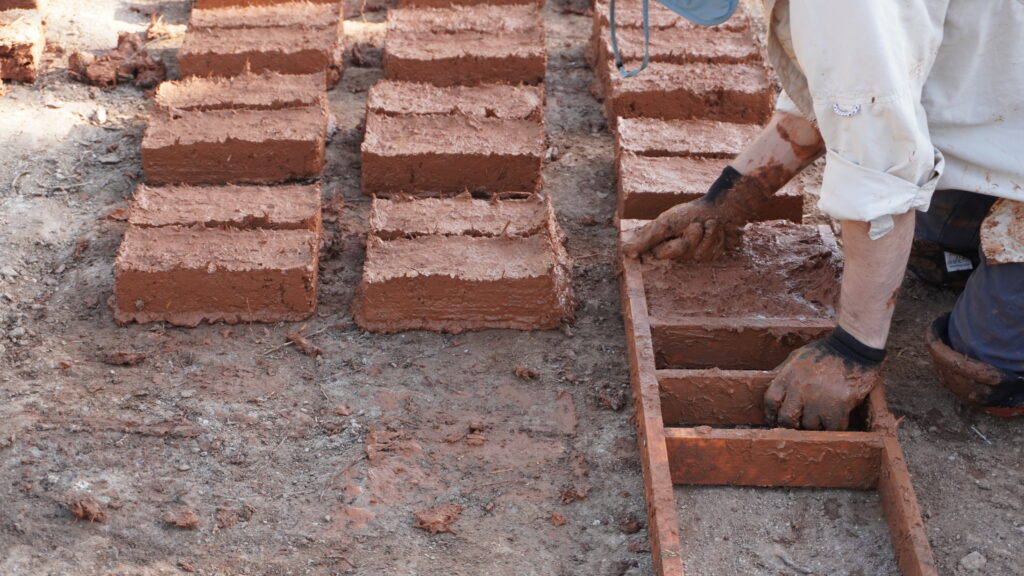
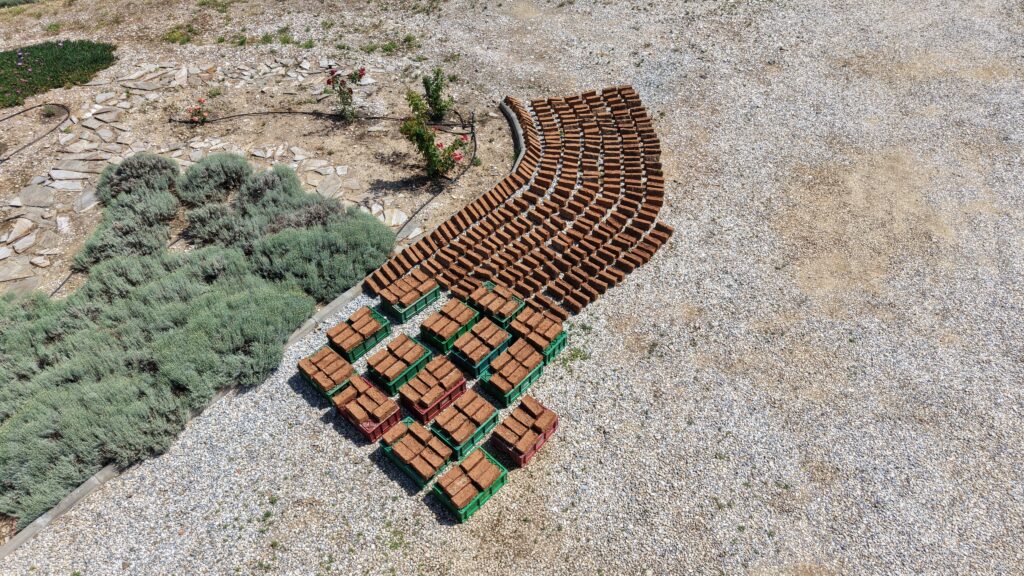
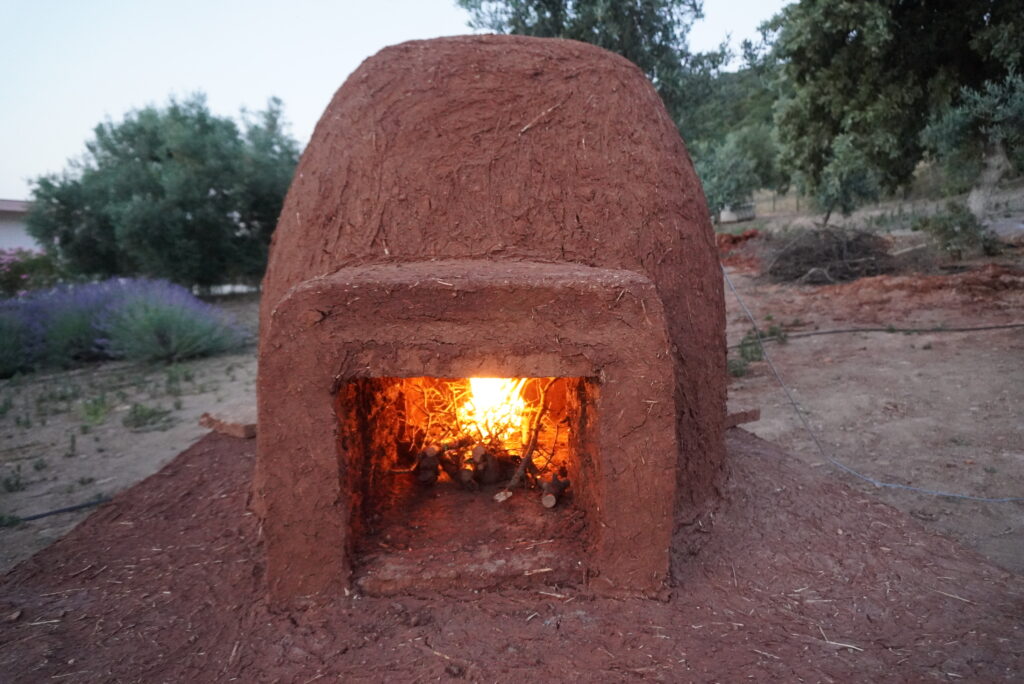
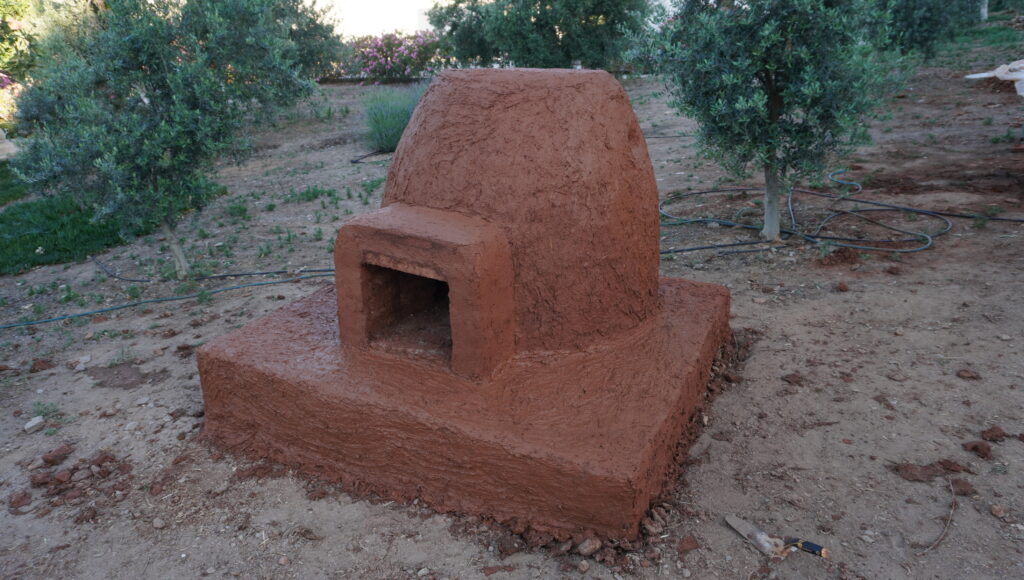
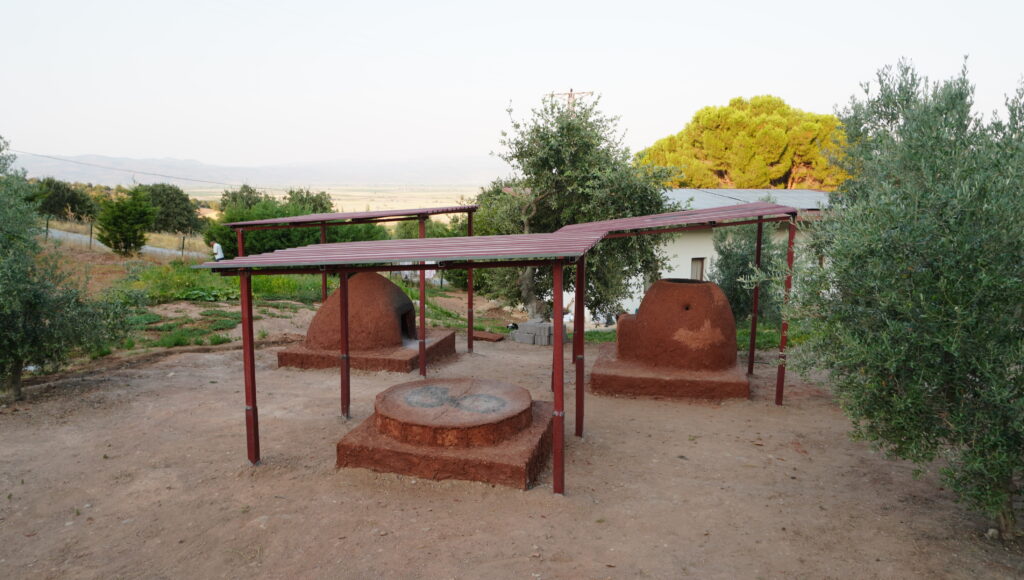
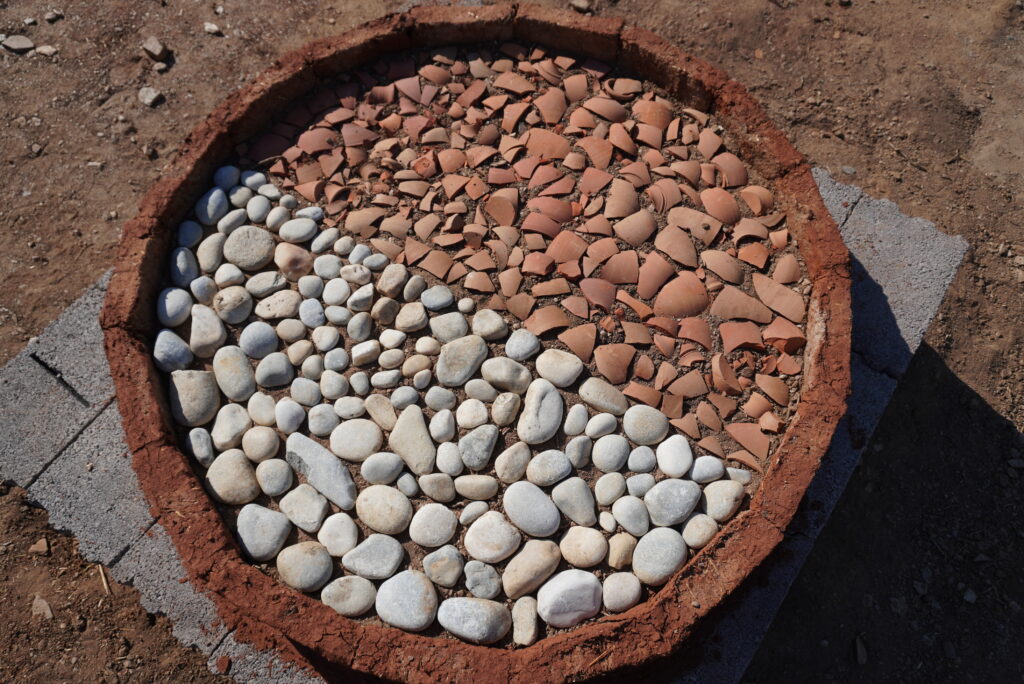
Fieldwork began in April 2026. We produced bricks in three sizes using clay-rich sediment from around Lake Marmara, drawing on archaeological comparanda: small (c. 20 x 11.5 x 6 cm, n = 507) and medium (c. 23 x 20 x 6 cm, n = 152) bricks were based on examples from hearths at Kaymakçı, while large (c. 53 x 34 x 8 cm, n = 11) bricks were based on examples from kiln substructures from Troy V. With these bricks, we built three experimental fire installations with the help of a local usta. These were a single-chamber domed oven (1.5 m diameter), a sherd/cobble hearth (1.2 m diameter), and an updraft kiln (1.1 m diameter).
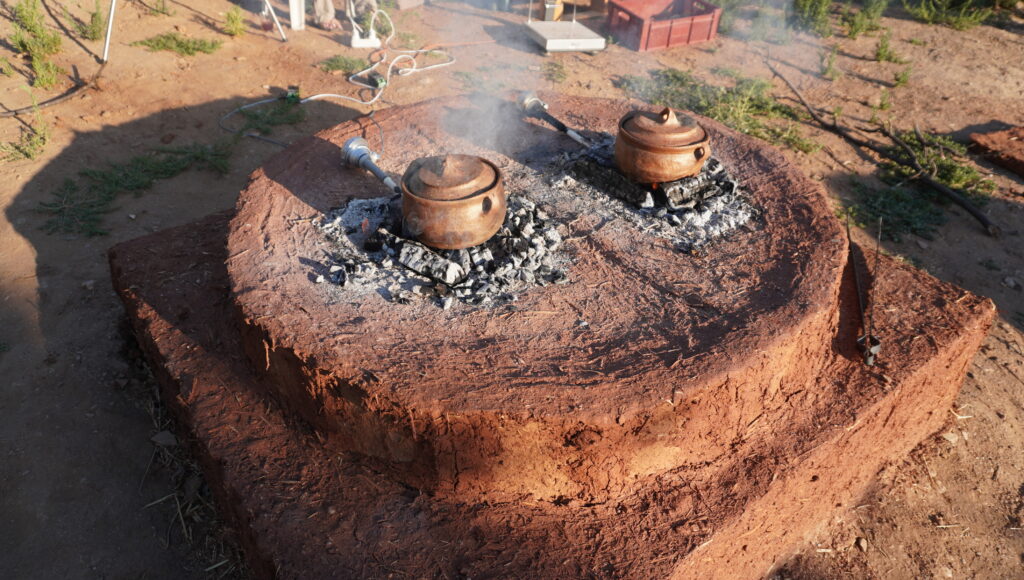
We completed eleven experimental firing events over the course of the field season: four using the oven, four using the hearth, and three using the kiln. In the oven, we were able to successfully bake bread and even fire a small batch of ceramics, though, interestingly, we struggled to cook stews. We did successfully cook stews on the hearth, which showed no significant difference in performance between the sherd and cobblestone substructures. Significant progress was achieved in the use of the kiln with respect to reaching the intended temperatures. Our experiments used commercially purchased clays and local oak wood; we were easily able to reach c. 800°C, which is generally attained in ceramic firing across the western Anatolian Bronze Age. In the second experiment in particular, the target temperature was reached rapidly using only 50 kg of wood, and the shaped (formed) ceramics were successfully fired.
In addition to the data collected during construction and the firing events, we collected several samples for further analysis. Six samples of mudbrick reflect various firing conditions as well as unfired examples. We also collected ash and detritus from the first two kiln firings, to better understand the waste produced by this activity over time. Our cooking experiments were also designed to speak to other ongoing research at the Kaymakçı Archaeological Project. We used locally produced gold wash pots (similar to ancient examples) and ingredients that were available in the area during the Bronze Age, allowing the experimental vessels to speak to research on usewear and organic residue analysis.
After fieldwork was completed, structures were built around each fire installation to protect them during the year; we are also finalizing informative signage to be installed nearby. We plan to conduct further experiments using these fire installations in the summer of 2027 (and beyond, if possible). When they eventually decay or are destroyed, samples will be taken for analysis and comparison with archaeological remains.
We are deeply grateful to the Archaeological Institute of America and the Richard C. MacDonald Iliad Endowment; without this support, our project would not have been possible. Thank you!
The Richard C. MacDonald Iliad Endowment for Archaeological Research supports projects investigating regions that provide context for the study of Troy and help illuminate the Trojan War and its impact on ancient Mediterranean civilization. Eligible research may focus on Anatolia, southeastern Europe, the Aegean, and Crete during the third through first millennia B.C.E. Funding may also support innovative research technologies, including remote sensing, GIS, geophysical techniques, LiDAR, GPS, and space imaging radar. The application deadline is November 1, 2026. Learn more and apply.