August 7, 2026
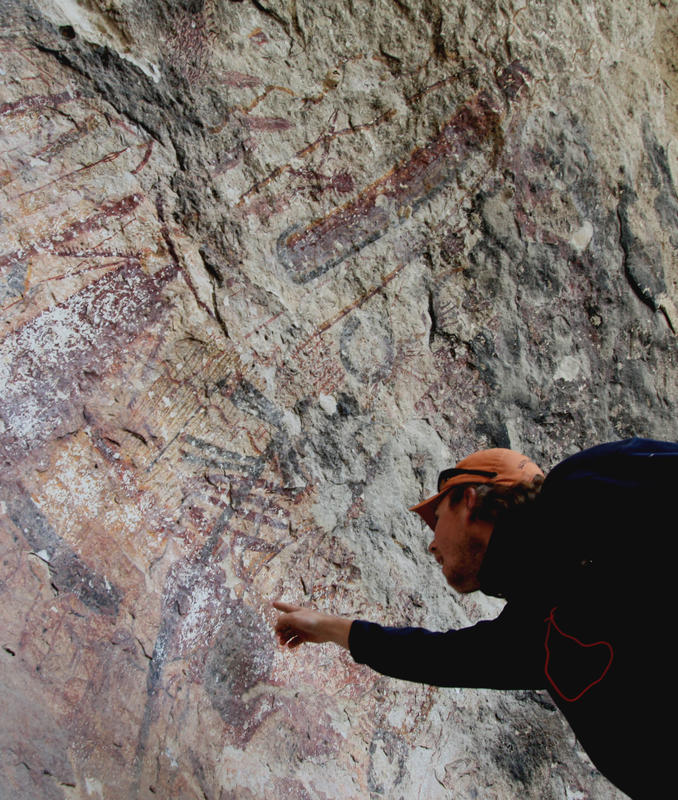
The Lower Pecos Canyonlands of Texas contain one of the oldest and densest concentrations of ancient rock paintings (pictographs) in the Americas. Current border barrier construction threatens 165 miles of this extraordinary cultural landscape: 84, or one-third, of the known rock art sites lie south of the proposed barrier, making them inaccessible for monitoring, documentation, and scientific research, and at least 15 sites are in the path of construction or associated infrastructure and face destruction or severe damage.
To expedite construction, the Department of Homeland Security has waived 29 federal laws and regulations, including many designed to protect archaeological, historic, and environmental resources, leaving these irreplaceable cultural sites with few remaining legal safeguards.
The construction contract, valued at $2.6 billion ($16 million per mile), requires the selected company to design and build the vehicle barrier within just 13 months, leaving an exceptionally short window to document, protect, and advocate for these irreplaceable archaeological resources before irreversible damage occurs.
The region is home to more than 300 sites containing ancient paintings dating back nearly 6000 years, with some paintings added as recently as the 1700s. In 2021, recognizing its extraordinary historical and cultural significance, the Department of the Interior designated the Lower Pecos Canyonlands Archaeological District as a National Historic Landmark.
Express you concern about the loss of this archaeological landscape during U.S. Customs and Border Protection’s public comment period now through August 31. Comments can be emailed to CBP at BigBendComments@cbp.dhs.gov. Please include “Big Bend Vehicle Border Barrier System Construction” in the subject of your email. Comments received in response to this letter, including names and addresses of those who comment, will become part of the public record. More information from CBP.
Click here to learn more about the archaeological work being conducted at the site.
Image: A SHUMLA research intern examines 4,000 year old Pecos River Style rock art at Panther Cave in the heart of the Lower Pecos Canyonlands. © 2011 SHUMLA