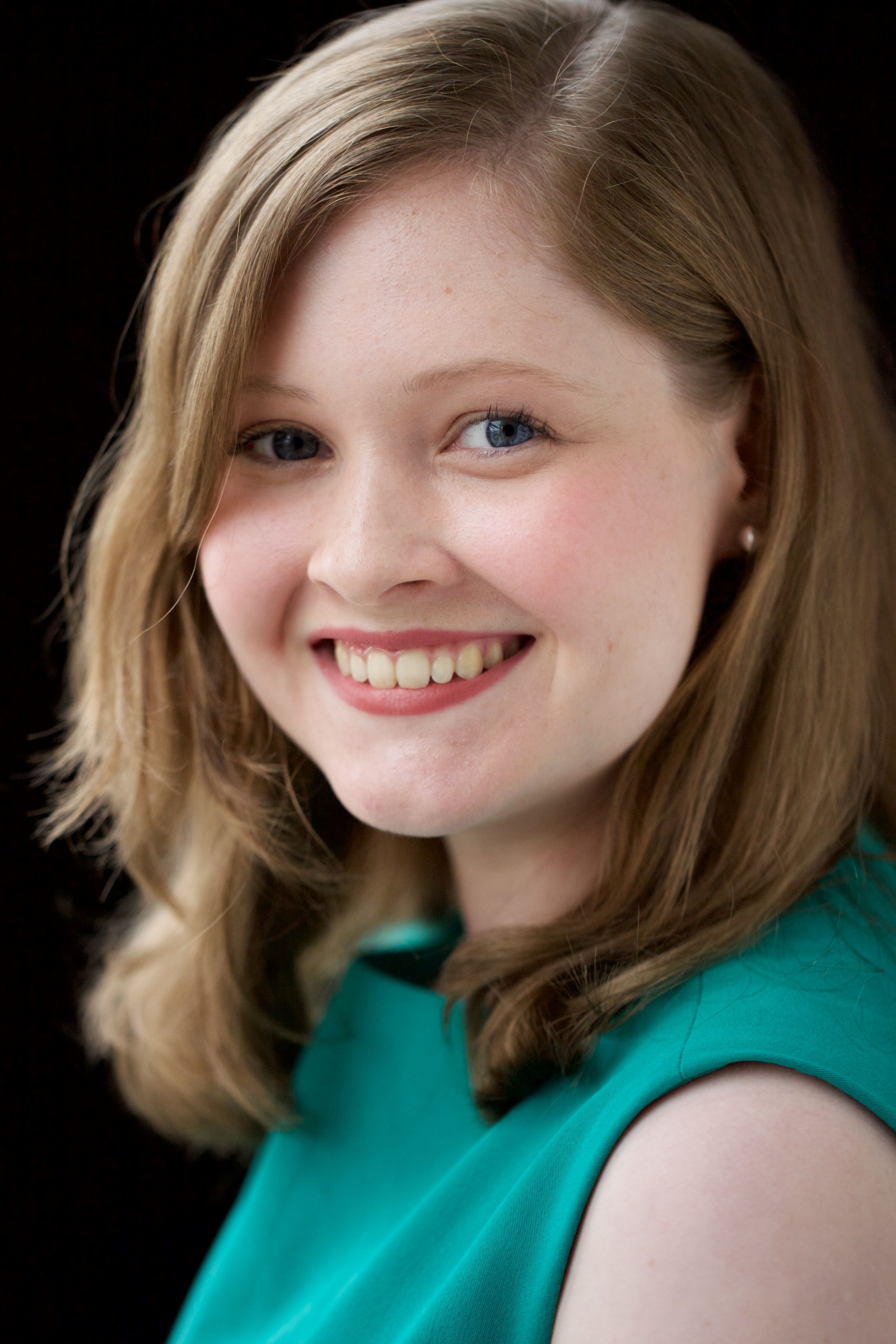
Fae Amiro is an Assisstant Professor at Mount Allison University. She has previously worked as a postdoctoral associate at the University of Western Ontario, a postdoctoral fellow and visiting assistant professor at the University of Toronto, and the Crake Doctoral Fellow at Mount Allison. She received her PhD from McMaster University in 2021. Her research focuses on portraits of imperial women in Rome and the provinces, considering their role in both imperial messaging and the Roman portrait dissemination system. She also works as a numismatist for the coins excavated from the Roman fort at Vindolanda near Hadrian’s Wall.
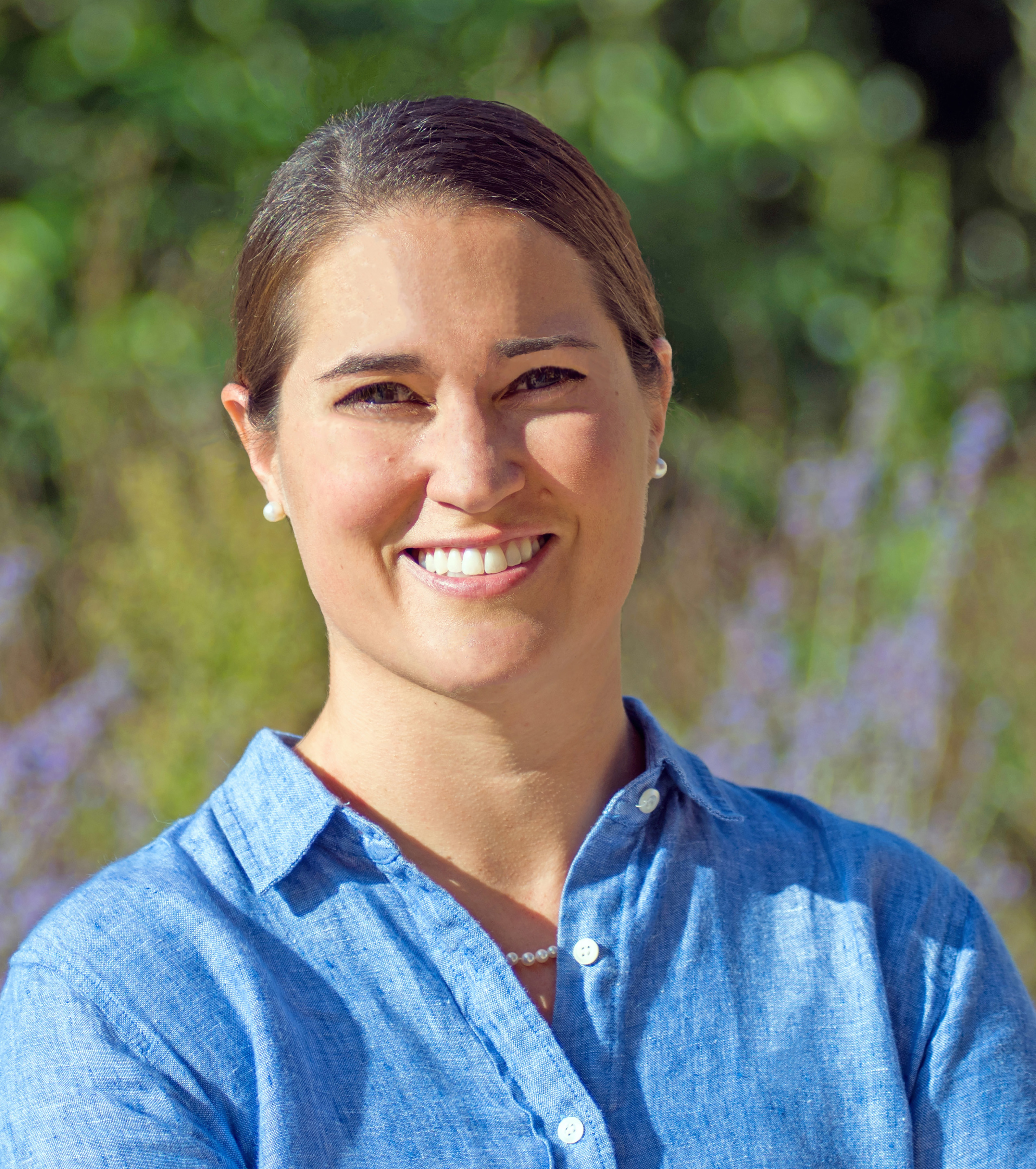
Margaret M. Andrews is an Assistant Professor of Classics in the Department of the Classics at Harvard University. She received an A.B. in Classics from Princeton University in 2005 and a Ph.D. in 2015 in the Art and Archaeology of the Mediterranean World from the University of Pennsylvania. Her research combines approaches from the fields of ancient history and archaeology. She is particularly interested in ancient urban environments and their diachronic occupation. Her first book, The Subura: Landscape and Ideology in Rome from ca. 850 BCE to ca. 850 CE, focuses on a neighborhood of ancient Rome notorious for its squalid conditions. Meg has carried out archaeological fieldwork in North Carolina, Athens, Rome, and several other Italian locations. She now co-directs the Falerii Novi Project in the Middle Tiber Valley north of Rome.
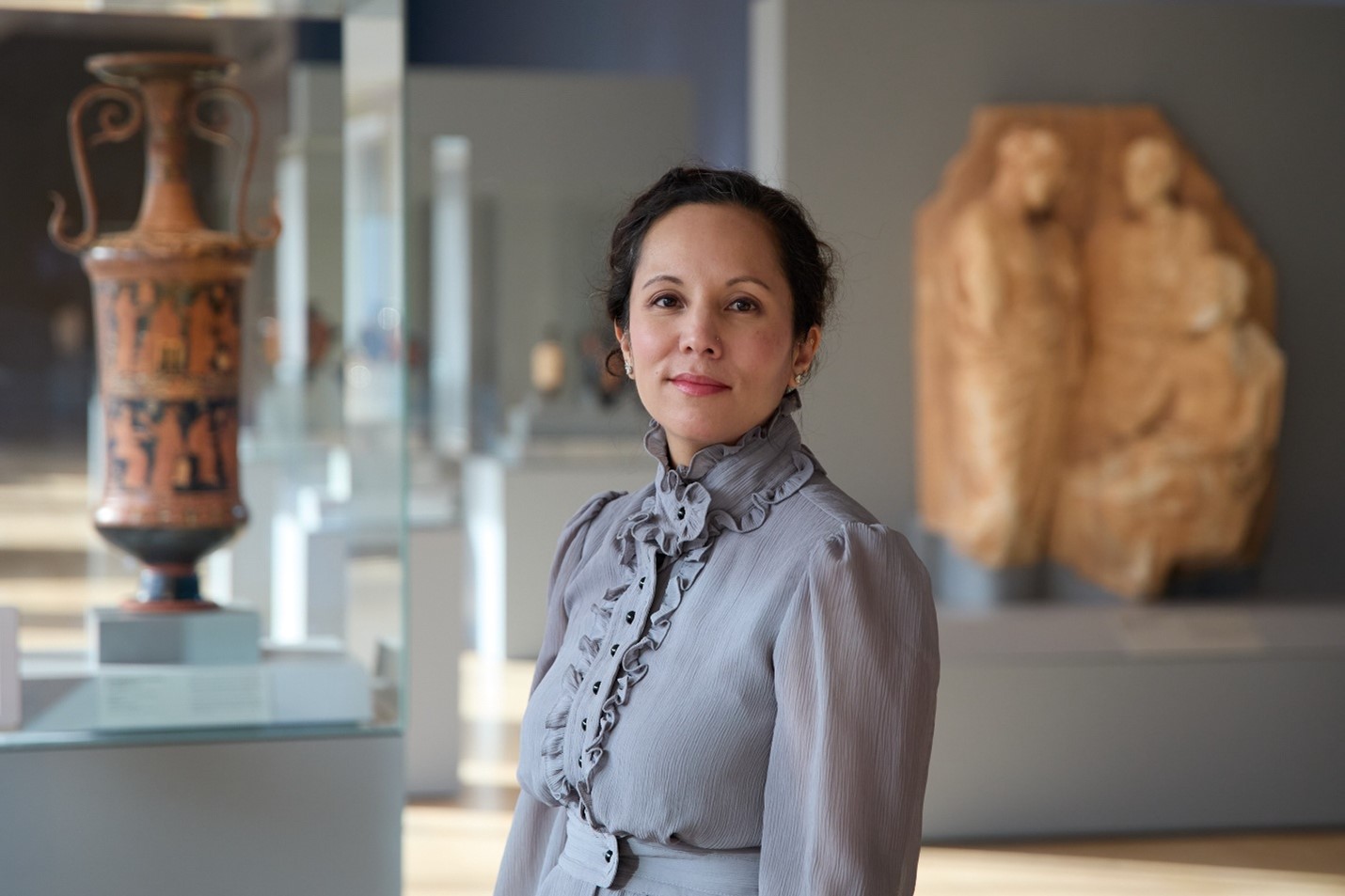
Lisa Ayla Çakmak is the Mary and Michael Jaharis Chair and Curator of the Arts of Greece, Rome, and Byzantium at the Art Institute of Chicago. Since coming to Chicago in 2020, Çakmak has overseen a major reinstallation of the Art Institute’s Mary and Michael Jaharis Galleries of Greek, Roman, and Byzantine Art, as well as originating and serving as co-curator of Myth & Marble: Ancient Roman Sculpture from the Torlonia Collection, the first major exhibition on a topic of Greek or Roman art held at the Art Institute in over 44 years.
Prior to Chicago, Çakmak spent nearly a decade at the Saint Louis Art Museum, most recently as the Andrew W. Mellon Associate Curator of Ancient Art where she was responsible for the collections of Ancient Near Eastern, Greek, Roman, and Egyptian art. During her tenure in St. Louis, she initiated and realized the highly successful 2018 exhibition Sunken Cities: Egypt’s Lost Worlds, as well as managing the reinstallations of the museum’s galleries of Greek, and Roman art, and the Egyptian and Numismatic collections.
Çakmak earned her PhD from the Interdepartmental Program in Classical Art and Archaeology at the University of Michigan and attended Princeton University. In 2017 she completed an MBA at Washington University in St. Louis.
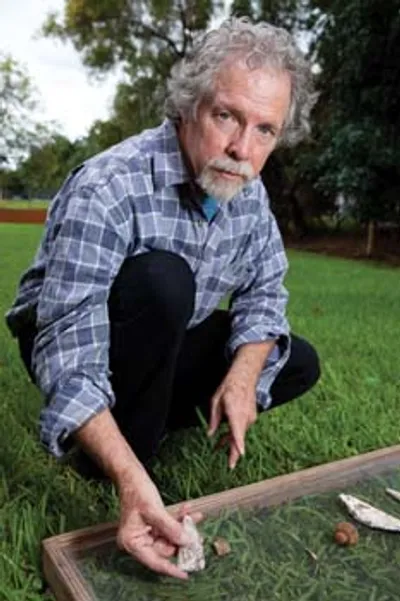
Robert (Bob) Carr co-founded the Archaeological and Historical Conservancy in 1985, and has served as its full-time director since 1999. He has a Master’s Degree in Anthropology from Florida State University. He has worked as an archaeologist with the State of Florida’s Division of Historic Sites, National Park Service and Dade County. He was Miami-Dade County’s first County Archaeologist and became the County Historic Preservation Director. He is the former editor of the Florida Anthropologist and former president of the Florida Archaeological Council. He is a recipient of the Bullen Award and Florida’s Historic Preservation Award.
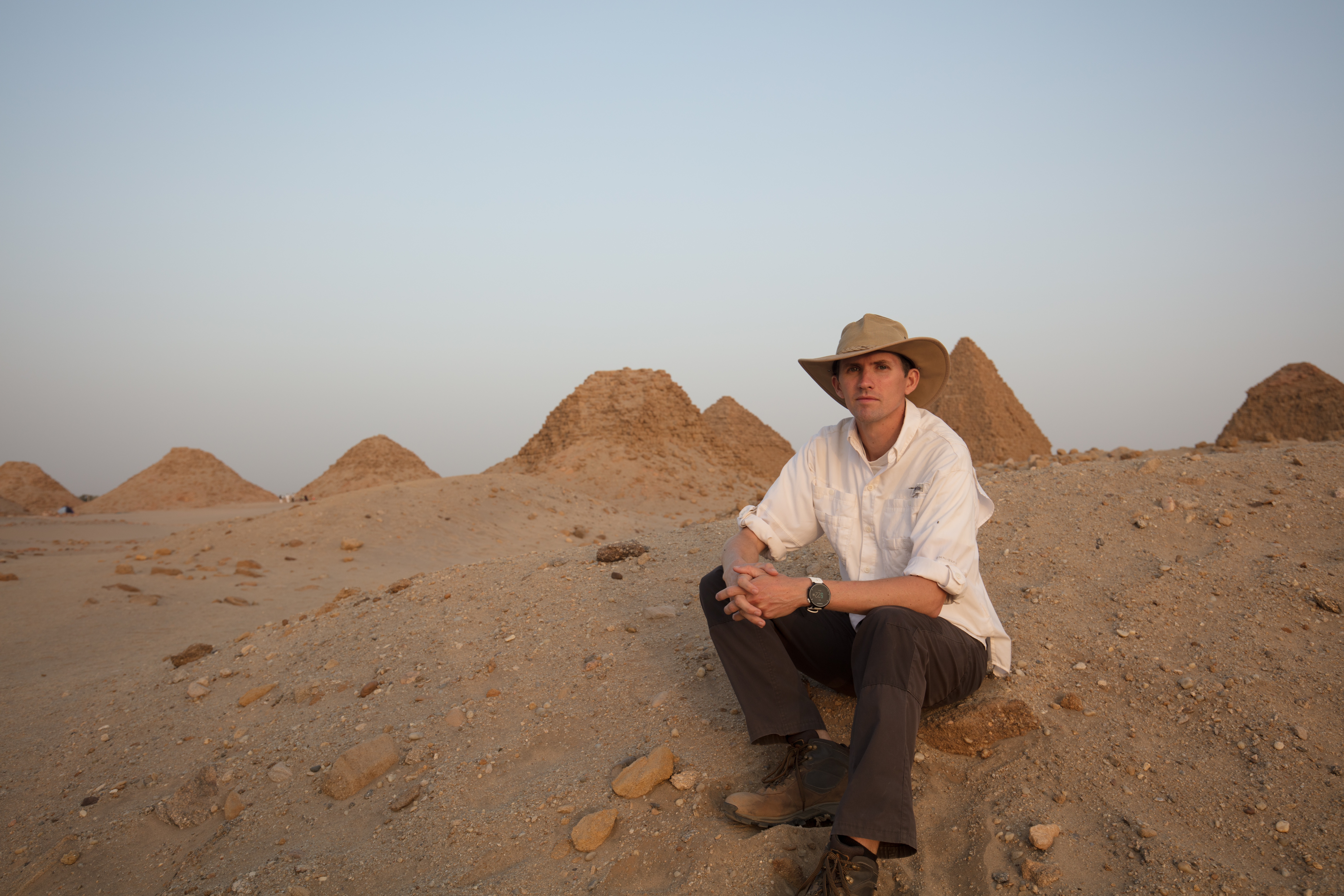
Prof. Pearce Paul Creasman serves as executive director of the American Center of Research in Amman, Jordan. His research focuses on the ancient heritage, archaeology, and environment of the Middle East and North Africa. With more than 100 publications to his credit, Prof. Creasman has been widely recognized for his work, including by the White House’s Office of Science and Technology Policy, as a fellow of The Explorer’s Club, and he was honored as a “Genius” in National Geographic’s almanac. His most recent excavations are of the Treasury in Petra (Jordan) and the pyramids of Nuri (Sudan), both UNESCO World Heritage Sites, as well as underwater in the Dead Sea at an ancient harbor.
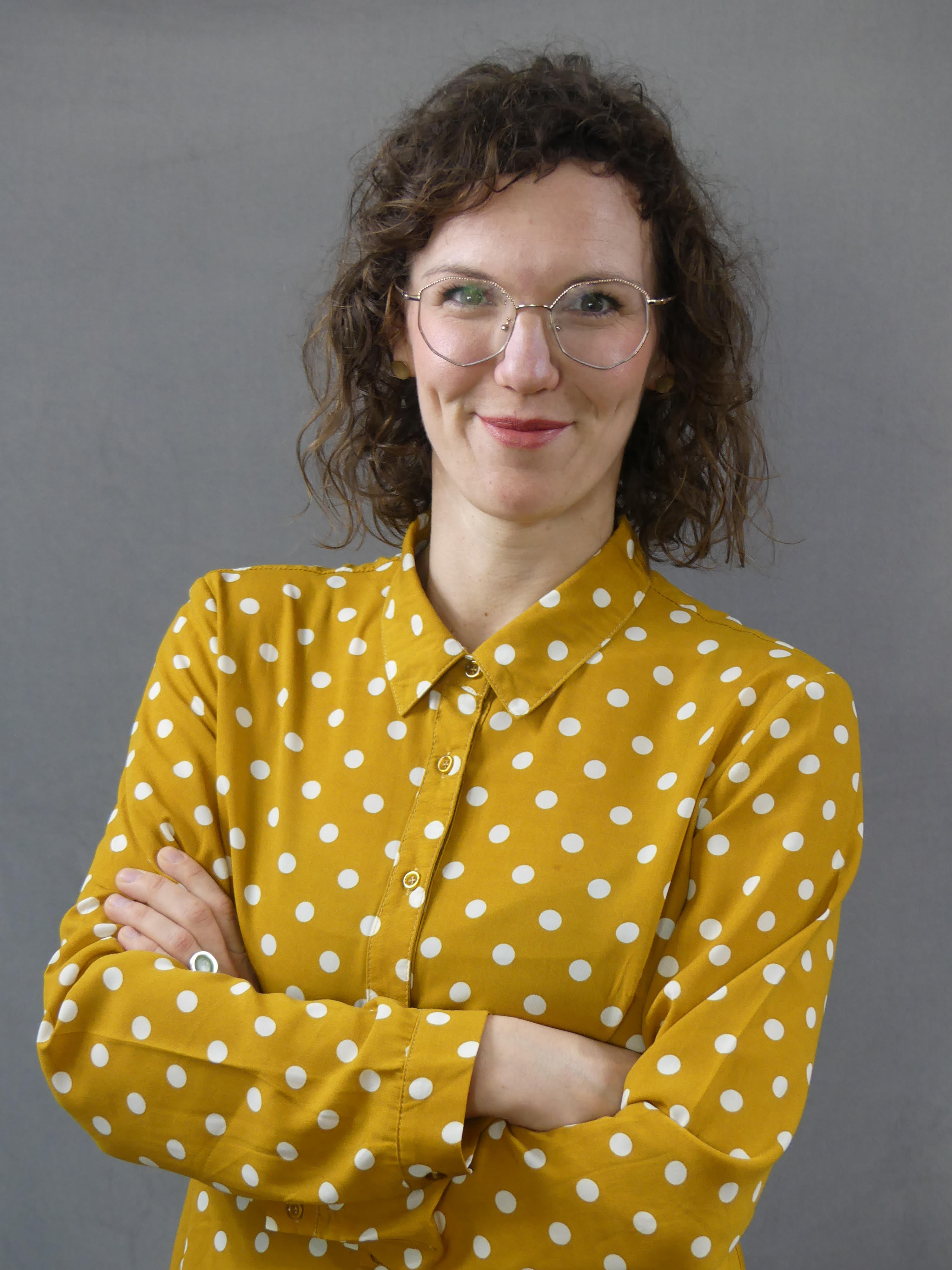
Sabina Cveček is a Marie Skłodowska-Curie Global Postdoctoral Fellow at the Field Museum in Chicago and the Austrian Academy of Sciences in Vienna. Her research concerns contextualizing prehistoric households, kinship, and social organization in the eastern Mediterranean from socio-cultural anthropological perspectives. She holds PhD in socio-cultural anthropology from the University of Vienna (2021). Previously, she was a visiting researcher at the Max Planck Institute for Social Anthropology in Halle/Saale and an IFK Junior Fellow at the International Research Centre for Cultural Studies in Vienna. Cveček is an elected Fellow of the Royal Anthropological Institute, a co-chair of the Archaeology and Gender in Europe network of the European Association of Archaeologists, and the incoming At Large Director at the Coalition for Archaeological Synthesis (CfAS). Her recent publications include Enthrone, Dethrone, Rethrone? Multiple Lives of Matrilineal Kinship in the Aegean Prehistory (Archaeological Dialogues), Why Kinship Still Needs Anthropologists in the 21st Century (Anthropology Today), and her book, Çukuriçi Höyük 4: Household Economics in the Early Bronze Age Aegean, was published in 2022 by the Austrian Academy of Sciences Press.
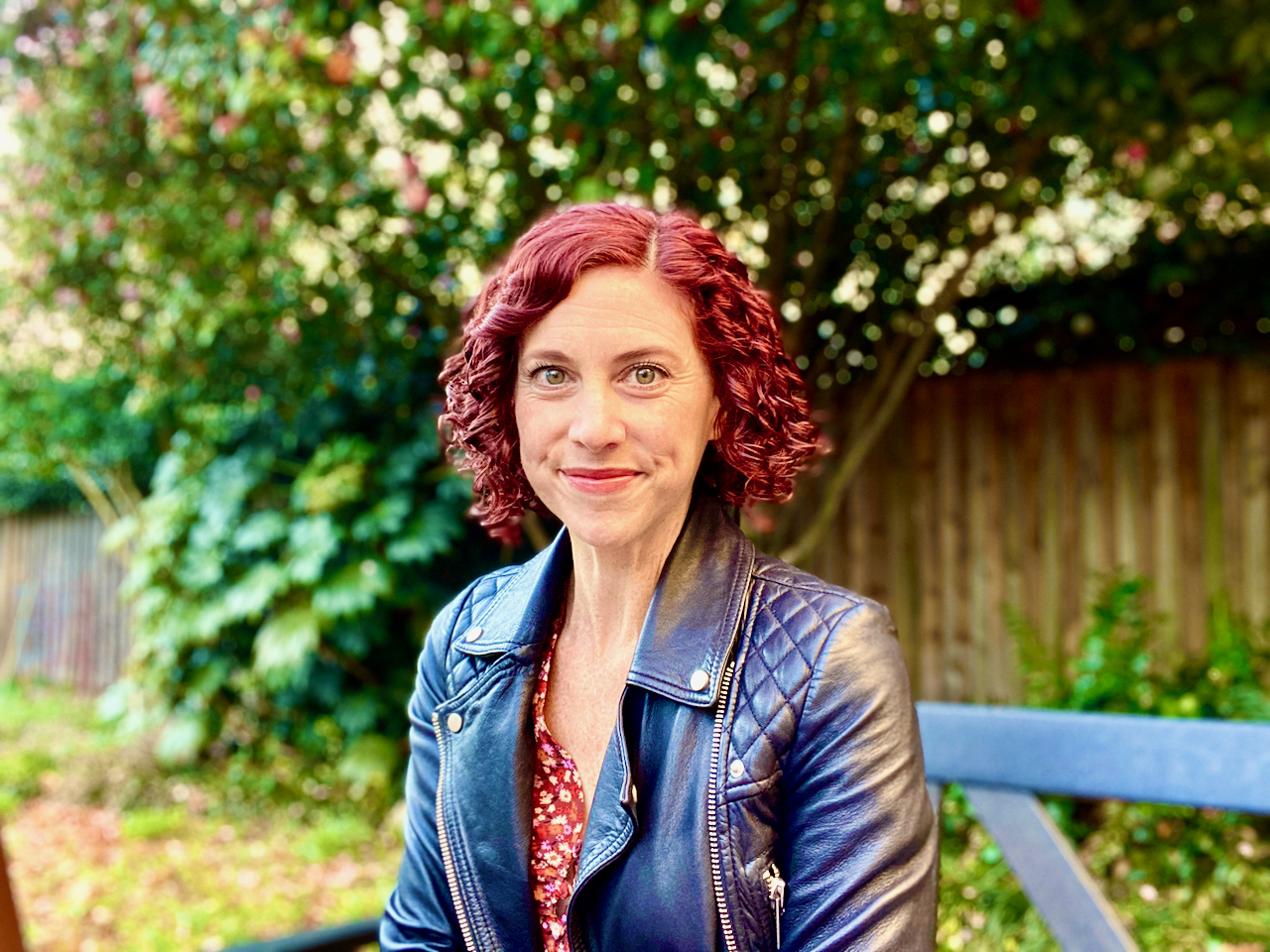
Dr. Sharon DeWitte (PhD 2006, Pennsylvania State University) is a Professor in the Institute of Behavioral Science and Department of Anthropology at the University of Colorado, Boulder and a fellow of the American Association for the Advancement of Science and the Society of Antiquaries of London. Dr. DeWitte is a biological anthropologist with expertise in bioarchaeology, and her research primarily focuses on health and demography before, during, and after historical plague epidemics to understand local syndemic interactions that shape the outcomes of those epidemics and how epidemic disease affects biosocial conditions in surviving populations. Dr. DeWitte’s research has been supported by the NSF, Wenner-Gren Foundation, School for Advanced Research, and American Association of University Women.
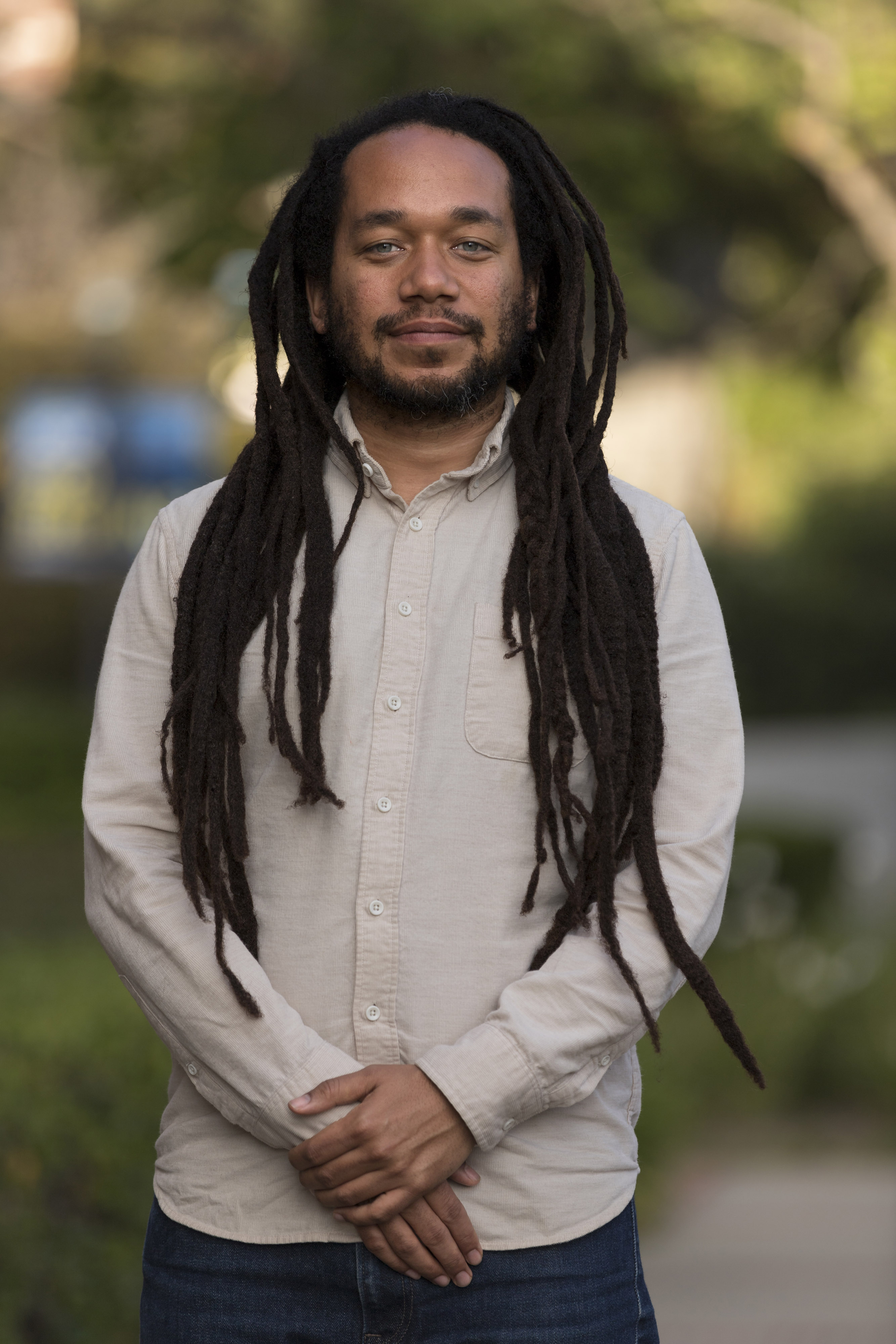
Dr. Justin Dunnavant holds the Joan Silsbee Chair of African Cultural Archaeology at UCLA. His first book, Colonialism, Ecology and Slavery, under contract with Princeton University Press, investigates the relationship between ecology and enslavement in the former Danish West Indies. In addition to his archaeological research, Justin is co-founder of the Society of Black Archaeologists and an AAUS Scientific SCUBA Diver. In 2021, he was named a National Geographic Emerging Explorer and inducted into The Explorers Club as one of “Fifty People Changing the World that You Need to Know About.” In 2022, he was awarded the Stafford Ellison Wright Black Alumni Scholar-in-Residence at Occidental College. His research has been featured on Netflix’s “Explained,” Hulu’s “Your Attention Please” and in print in American Archaeology, Science Magazine, and National Geographic Magazine. He currently serves on the Board of Trustees for the National Marine Sanctuary Foundation and the Aquatic Futures Foundation.
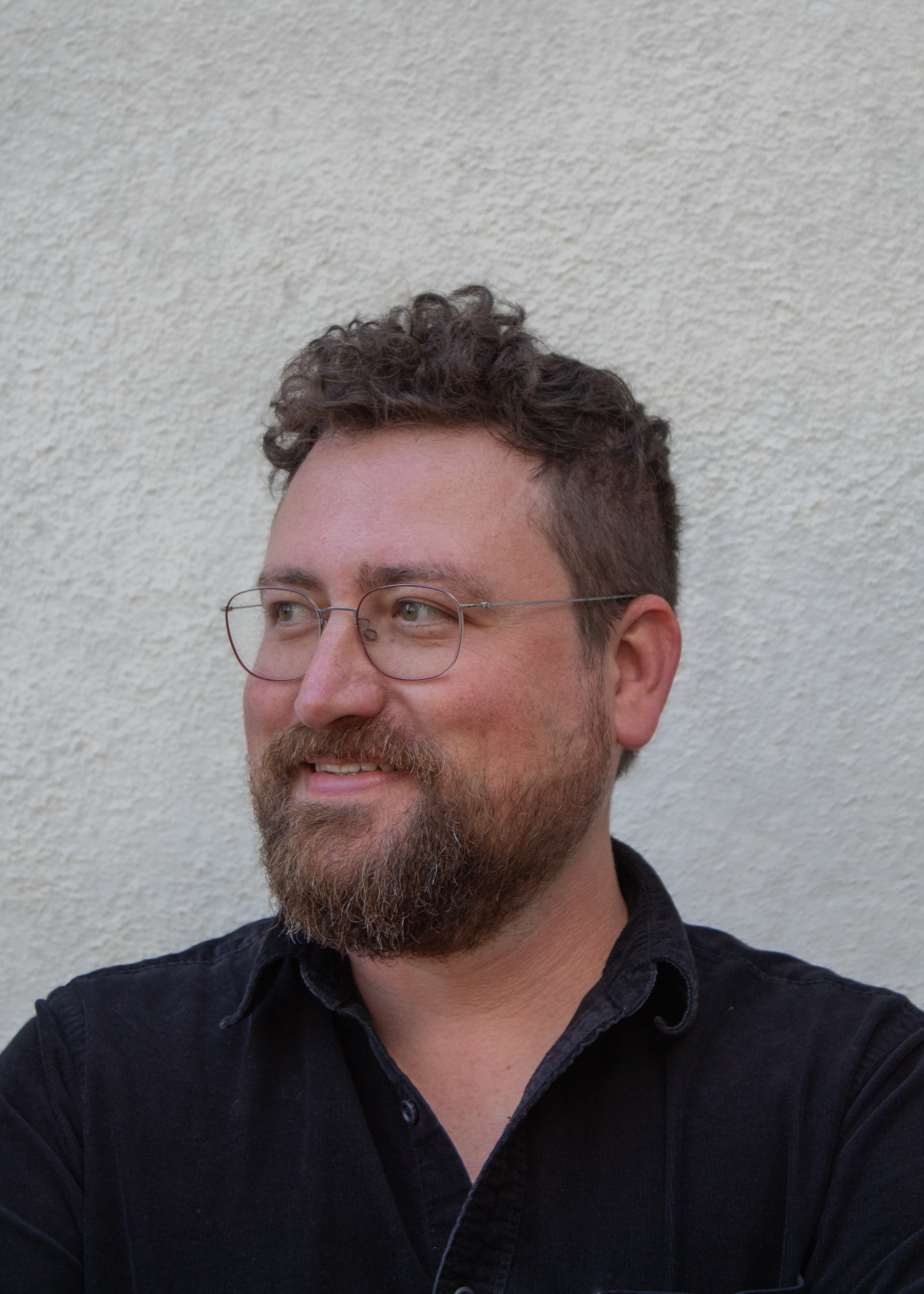
Zachary C. Dunseth is an Associate Professor of Anthropology and the Kershaw Chair of the Archaeology of Ancient Israel and Neighboring Lands at UCSD. An experienced field archaeologist, he also specializes in geoarchaeology and phytolith science, particularly in the desert environments of the ancient southern Levant.
Dunseth is interested in exploring the long-term trajectories of human-animal-environmental interactions in deserts—essentially, how people lived, thrived and adapted to arid environments during climatic, environmental and social change. His research focuses on the microscopic physical and chemical fingerprints we leave behind in archaeological sediments, using this information to explore various questions about mobility, subsistence, and plant, animal and metal economies at both local and regional scales.
His primary regional focus is the eastern Mediterranean, where he has supervised excavations at sites in modern Israel including Megiddo, Kiriath Jearim and more than a dozen sites in the arid Negev Highlands. Since 2019 he has directed excavations at the 4th millennium BCE site of Arad. He also has ongoing interdisciplinary collaborations with active and legacy projects working in Jordan, Syria, Cyprus, Sardinia (Italy), and the southwestern United States.
Outside of fieldwork, Dunseth is involved in efforts to foster Open Science initiatives in the archaeological sciences. He is a founding member of the International Committee on Open Phytolith Science (ICOPS), a community-building initiative that is working to connect and train researchers from around the world in FAIR and CARE principles.
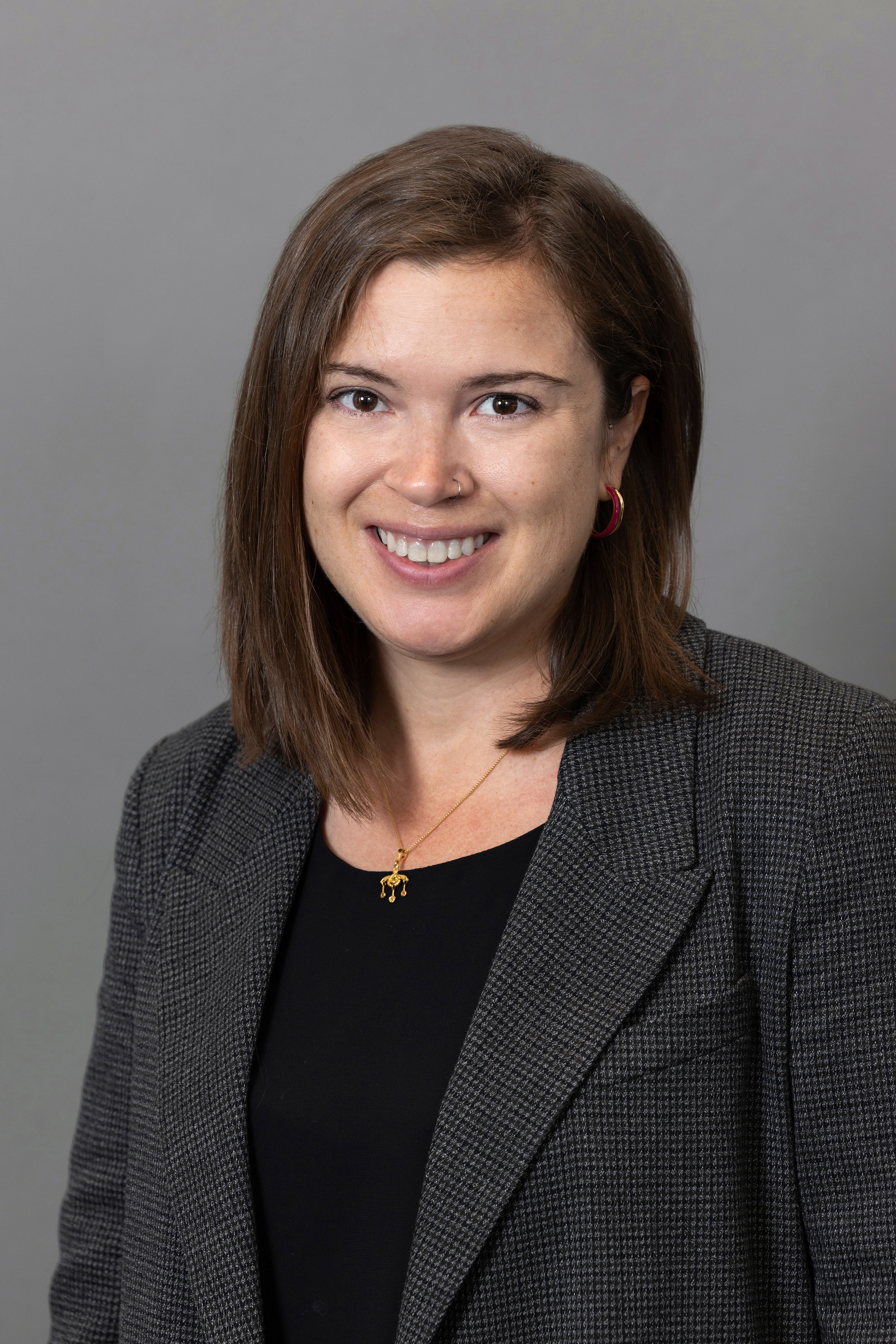
Anne Duray is a Greek archaeologist and intellectual historian. She completed her PhD at Stanford University in 2020, and is currently a Science and Technology Policy Fellow with the American Association for the Advancement of Science. Previously, she has taught at Stanford and the University of Colorado Boulder on topics relating to Greek archaeology and history, race and ethnicity, cultural heritage politics, and legacies of colonialism in archaeology. She has also held a postdoctoral fellowship at the American School of Classical Studies at Athens (ASCSA), and was the Editorial Assistant for the American Journal of Archaeology from 2020–24.
Her research focuses on the interplay between ideologies, archaeological practices, and knowledge production from the late 19th century to the present, particularly in the study of Aegean prehistory and the Early Iron Age. Some of her recently-published and in-progress work examines how archaeological understandings of culture were racialized in the late 19th and early 20th centuries and the broader implications, including legacies into the present. She has over a decade of archaeological fieldwork experience in Greece (including at the Athenian Agora, Malthi, and Stelida), and her research draws extensively from archival collections at the ASCSA, British School at Athens, Cambridge University, and the University of Thessaly (Volos). Through her scholarship and teaching she seeks to reframe disciplinary history as not just something rooted in the past, but a vehicle to analyze and contextualize engagements with the past-in-present by scholarly and non-scholarly actors over time and ultimately a way to chart a more inclusive future.