

Filters

Changing any of the form inputs will cause the list of events to refresh with the filtered results.

  • The Ever Changing Face of Indigenous People

    Science Center Auditorium (SC 114) at The University of Dayton. 450 East Stewart St, Dayton, OH, United States

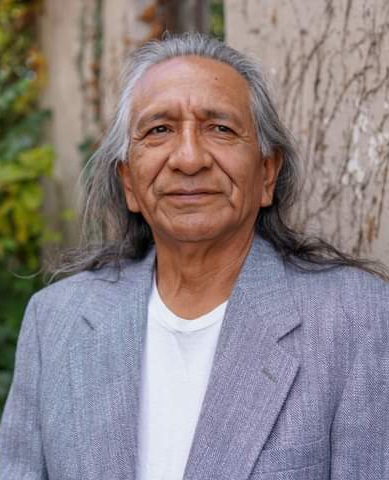
    The second presentation in the Archaeological Institute of America's Dayton Society 2023-2024 Lecture Series presented by Guy Jones, President of the Miami Valley Council for Native Americans.. The Ever Changing Face of Indigenous People The identity of Indigenous people has and will probably change again and again as new discoveries come to light. As the […]
  • Art expressions of the intimate life in Pompeii, the Lupanare Grande” by Cyril Dumas (Curator at the Musee Yves Brayer Baux de Provence)

    WEBINAR (St. Louis) St. Louis, MO

    18 November 2023, Saturday at 2 PM (Central Standard Time Zone). ZOOM lecture: "Art expressions of the intimate life in Pompeii, the Lupanare Grande" by Cyril Dumas (Curator at the Musee Yves Brayer Baux de Provence). Zoom room opens at 1:45 and lecture promptly starts at 2 PM. Sign in at 1:45, please...

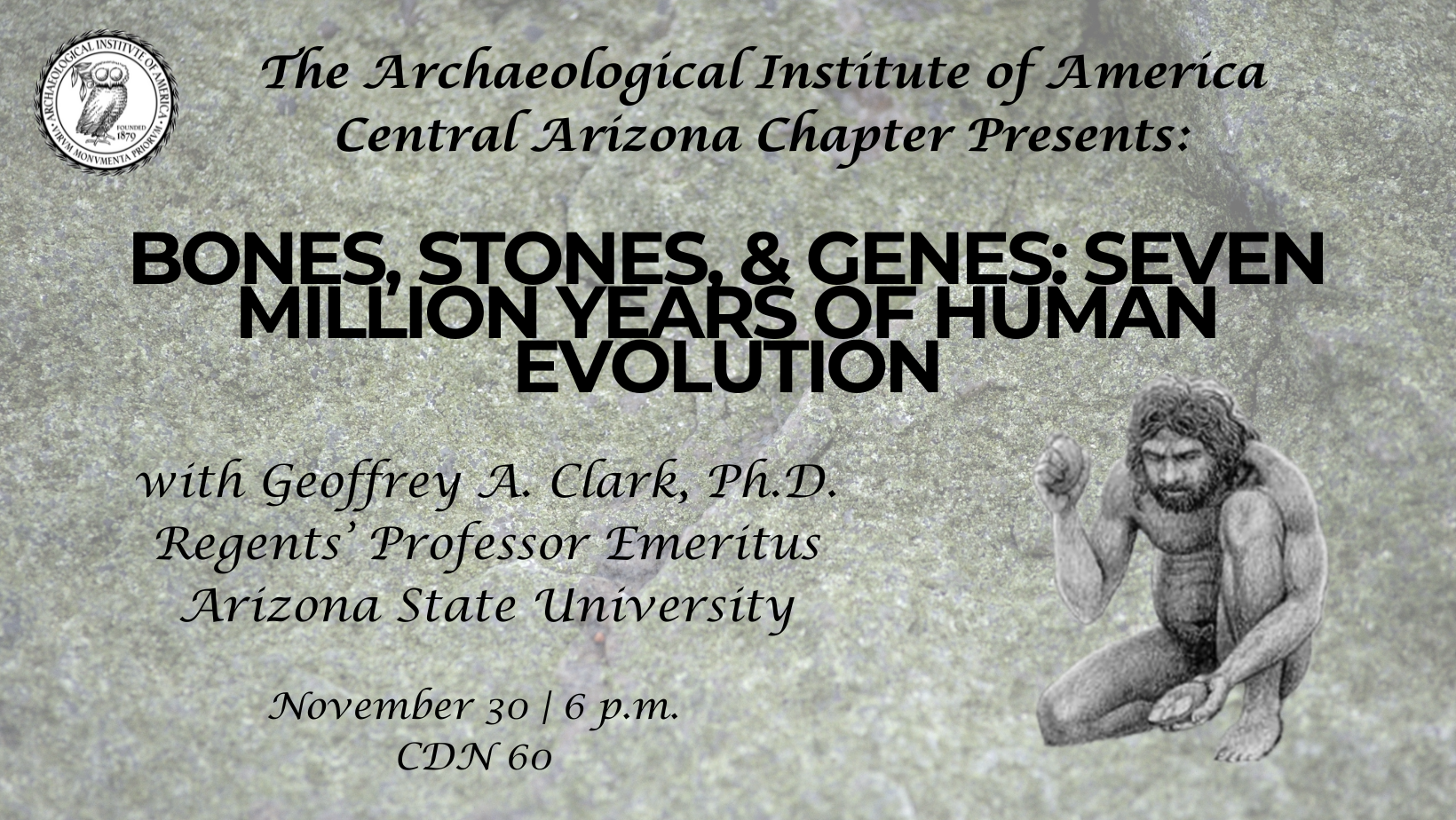
  • Bones, Stones & Genes – Seven Million Years of Human Evolution with Geoffrey Clark, PhD

    Arizona State University Tempe, Design North Buidling, Room CDN 60 810 NS Forest Mall, Tempe, AZ, United States

    Bones, Stones, & Genes: Seven Million Years of Human Evolution Geoffrey A. Clark, Ph.D. Regents' Emeritus Professor Arizona State University School of Human Evolution & Social Change Institute of Human Origins Perhaps the greatest story ever told is how we became the last and sole surviving member of our lineage, the hominins – modern humans, […]

  • Henry T. Rowell Lecture

    The Johns Hopkins University (Homewood campus) Gilman Hall 50, Baltimore, MD, United States

    Please join the AIA Baltimore Society for the Henry T. Rowell Lecture. Dr. Marie-Lys Annette (The Johns Hopkins University) will be speaking on "Tattooed Mummies and Female Figurines from Ancient Egypt: New Results from Deir el-Medina." To attend virtually, please use the following link: https://towson-edu.zoom.us/j/98825554469?pwd=bGpsWXFuemQvRVcrL1VQaU10WWlqZz09.

  • Contexts and Circumstances in Designing the Divine in Ancient Egypt

    ARCE Egyptology Lectures Room 20 Social Sciences Building University of California, Berkeley, CA, United States

    The American Research Center in Egypt, Northern California Chapter, and the Department of Middle Eastern Languages and Cultures, University of California, Berkeley, invite you to attend a lecture by Dr. […]

  • “Archaeological Narratives and the First Nations of Australia”

    WEBINAR (St. Louis) St. Louis, MO

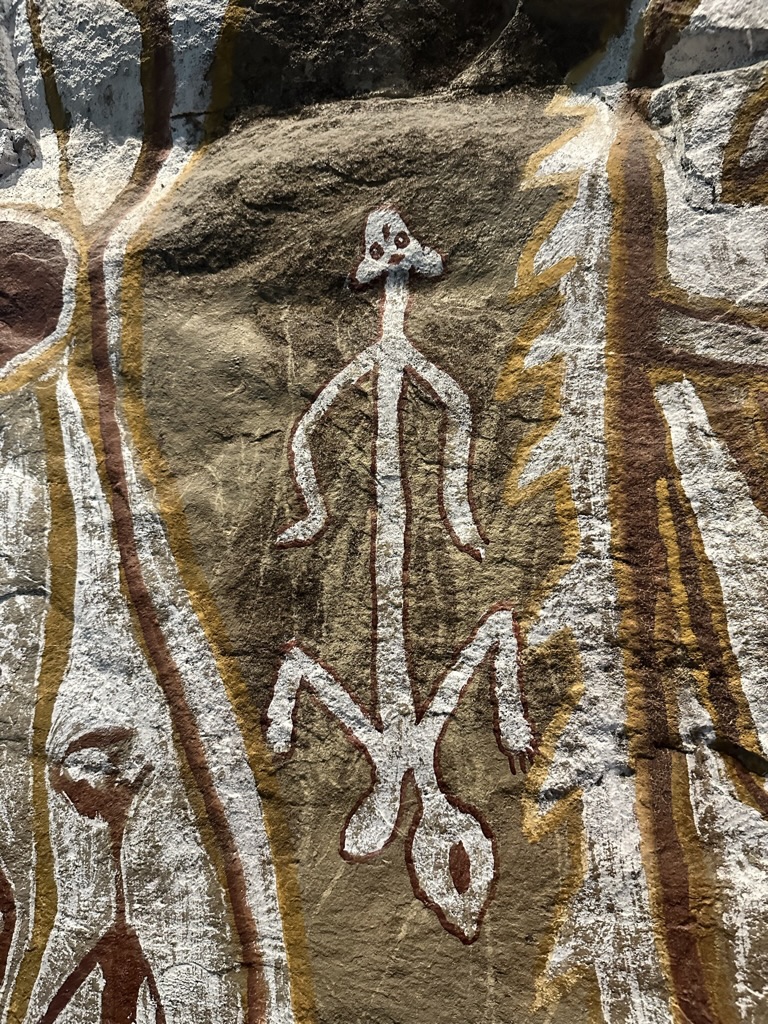
    30 December 2023, Saturday at 2 PM (Central Standard Time Zone). ZOOM lecture by Dr. Harry Allen, Fellow at the University of Auckland in New Zealand: "Archaeological Narratives and the First Nations of Australia". Zoom room opens at 1:45 and lecture promptly starts at 2 PM. Sign in at 1:45, please...

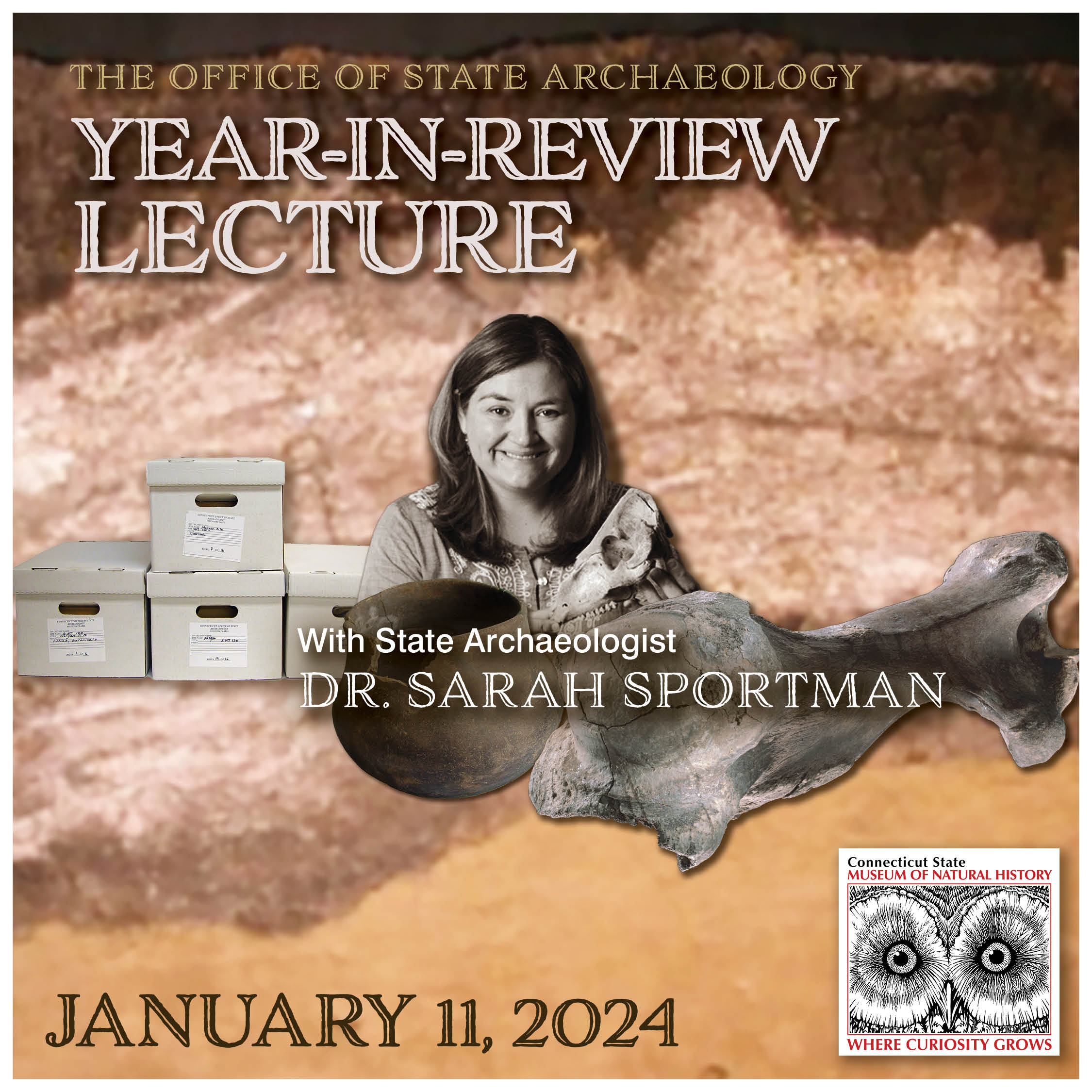
  • Connecticut Office of State Archaeology Year-in-Review Lecture

    University of Connecticut 91 North Eagleville Road, Storrs, CT, United States

    Dig into the new year with a lecture hosted by the Connecticut State Museum of Natural History (CSMNH) and the Office of State Archaeology. The frozen winter ground puts most archaeological excavations on hold... but on Thursday, January 11th, State Archaeologist Dr. Sarah Sportman will be digging into Connecticut archaeology... in the form of a […]

  • The Molly House of the Late 18th century

    a lecture by Dr. Megan Rhodes Victor One of my current research projects focuses on homosexuality and the 18th-century taverns which were known as molly houses in England and English Colonial North America. These molly houses served as clandestine locations for gay men and cross-dressers to interact, to socialize with others ‘like them’, to engage […]

  • Accept No Imitation? Amphora Packaging and Roman Wine Consumption on the Bay of Naples

    Roger's Park Social 6920 N Glenwood Ave, Chicago

    Talk by Jennifer L. Muslin (Loyola University Chicago, Classical Studies) Most ancient Romans enjoyed wine and believed that everyone, from emperors to enslaved peoples, should drink it daily. To meet such high demand, viticulture, winemaking, packaging, and trading happened all over the Mediterranean, with the highest quality vintages coming from Central and Southern Italy and […]