
Filters

Changing any of the form inputs will cause the list of events to refresh with the filtered results.

  • ArtsThursdays at the Peabody Museum of Archaeology & Ethnology

    Peabody Museum of Archaeology & Ethnology, 11 Divinity Avenue, Cambridge Peabody Museum of Archaeology & Ethnology, 11 Divinity Avenue, Cambridge, Cambridge, MA, United States

    Join us for a free, fun night at the Peabody Museum of Archaeology & Ethnology! Come with a date, come with friends, or make new friends while strolling through the galleries. All ages are welcome. Explore Castaway: The Afterlife of Plastic, a new, innovative exhibition that documents the art collective TRES’s journey along the beaches […]

  • Archaeology-Hour Screening: The People’s Arena

    Whitman College Maxey Hall 207 173 Stanton St., Walla Walla, WA, United States

    Please join us for an in-person screening and informal discussion of the Archaeology Hour talk by Alison Futrell (University of Arizona). In ancient-Roman ‘arenas’ — structures and spaces like the Colosseum in Rome — mass events were staged that exaggerated, aestheticized, and then normalized extreme and shocking forms of violence, deploying a twisted, voyeuristic ‘pleasure’ […]

  • Battlefield Archaeology

    Virtual Event

    ZOOM lecture by Douglas Scott (Retired Supervisory Archaeologist with the National Park Service); he will draw upon his experiences at the Little Big Horn battlefield and at various Civil War battlefields to understand this fascinating category of archaeological site.

  • Early Peoples in the Plateau: Nimíipuu Knowledge and Landscape Adaptation in the Bitterroot Mountains

    Northwest Museum of Arts & Culture 2316 W 1st Ave, Spokane, WA, United States

    Join us for a lecture by WSU grad Student Jordan Thompson on early Northwest culture. Abstract: Mountain environments and resources have played a significant role in Indigenous cultural and subsistence lifeways and knowledge systems yet remain underrepresented in landscape research. Recent archaeological evidence points to the Southern Columbia Plateau as an early entry point for […]
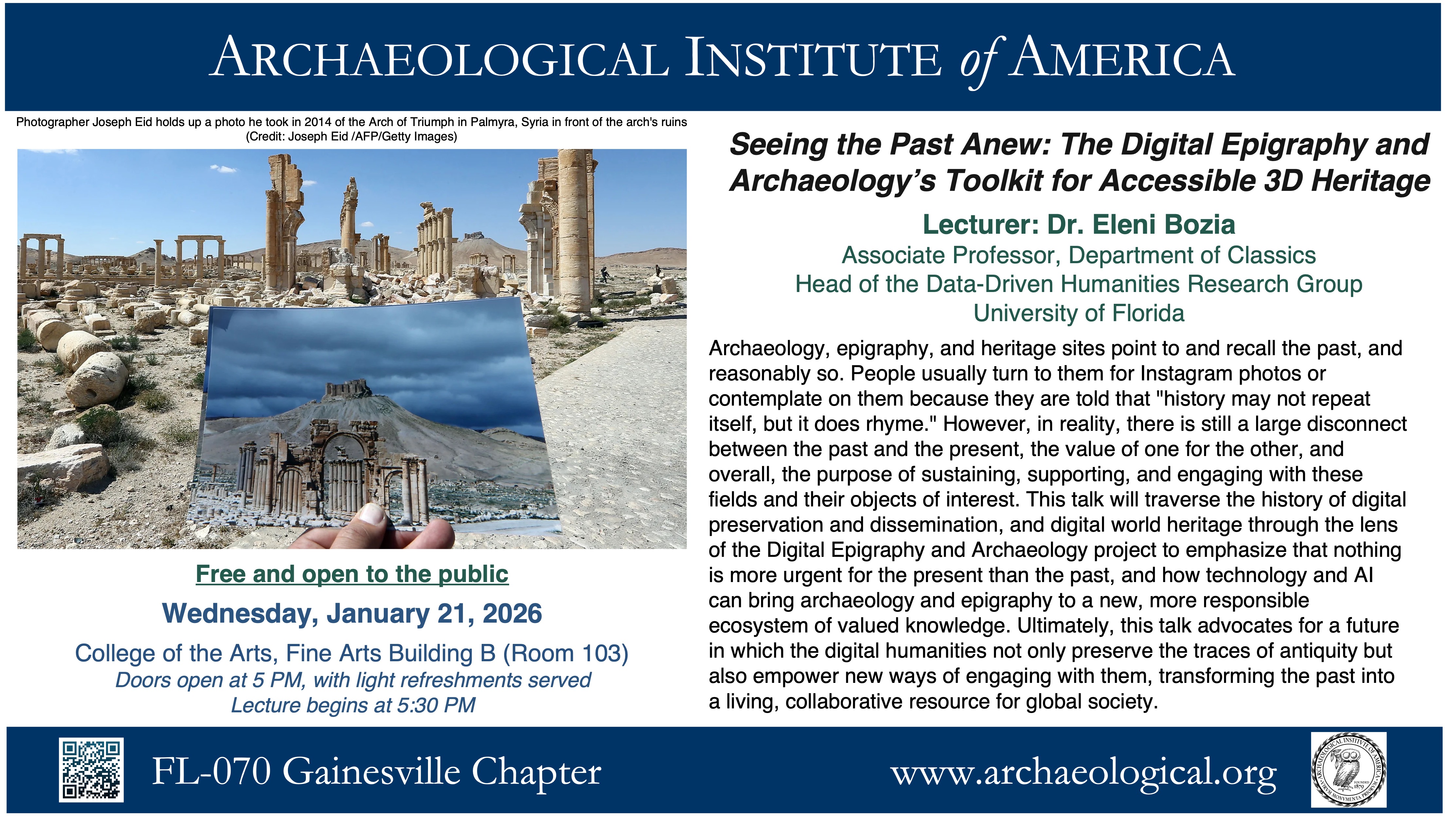
  • The Southern Mani Archaeological Project: Fieldwork at the End of the World

    303 Paterson Hall Carleton University, Ottawa, Ontario, Canada

    Speaker: Chelsea A.M. Gardner (Acadia University) The Mani peninsula is the literal (geographical) and metaphorical “end of the world”, since it occupies the southernmost point of mainland Greece and the mythical entrance to Hades, the ancient Greek underworld. Mani’s occupation history includes being home to the earliest hominid caves in Greece up to modern tower-houses […]

  • TBA (North Alabama (Huntsville))

    TBA (North Alabama (Huntsville)) Huntsville, AL, United States

    Kershaw Lectures in Near East Archaeology Time TBA

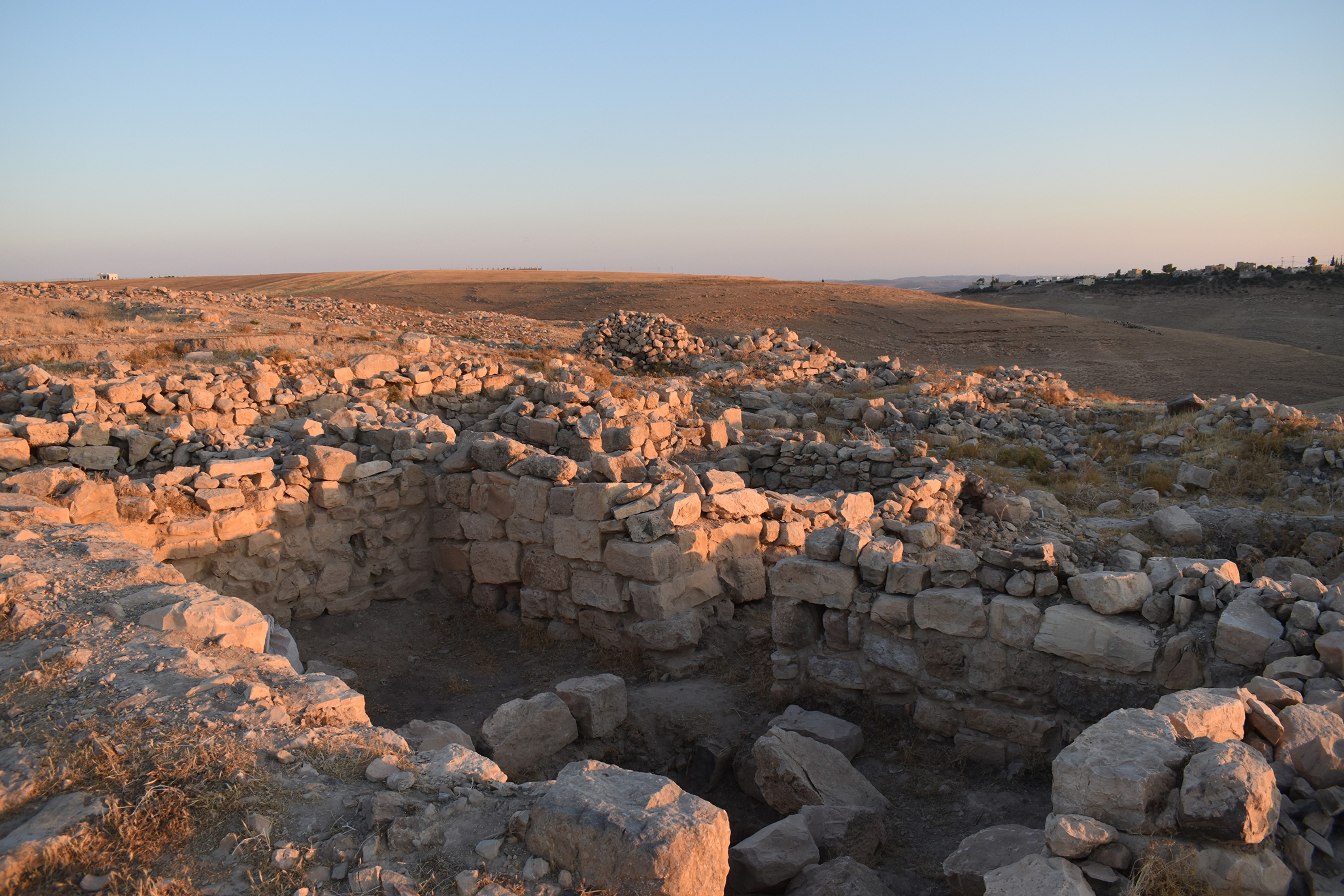
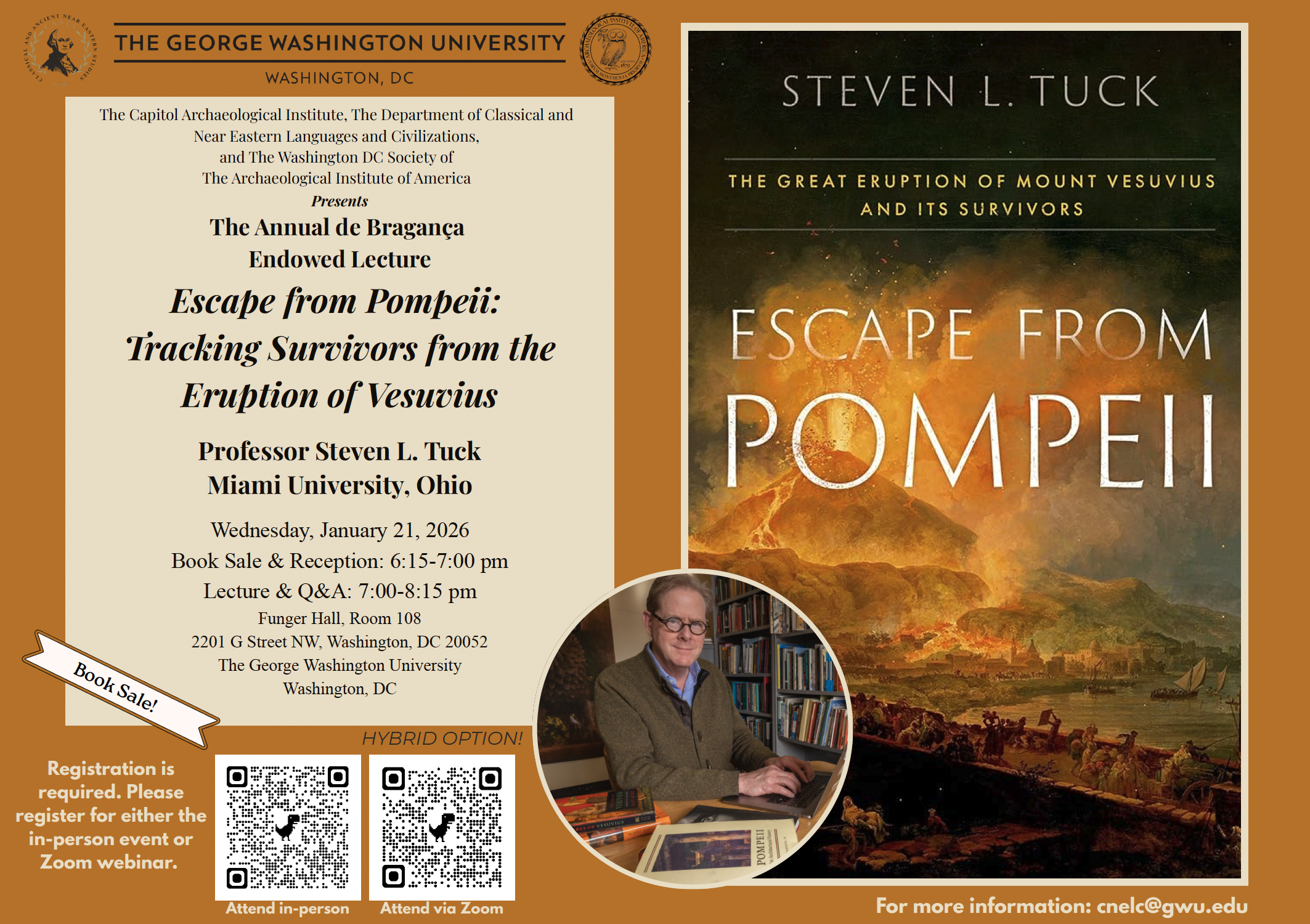
  • The Past Keeps Getting Bigger: Living with the Past in the Present and the Future at Tell Dhiban, Jordan

    The AIA Helene J. Kantor Memorial Lecture (link: https://www.archaeological.org/endowment/the-helene-j-kantor-memorial-lecture/) Professor Bruce Routledge (University of Liverpool) Tell Dhiban is a large mound in central Jordan occupied since 3000 BCE. It is best known as the capital of the biblical kingdom of Moab and the site of a significant Nabataean temple. However, focusing on separate moments in […]

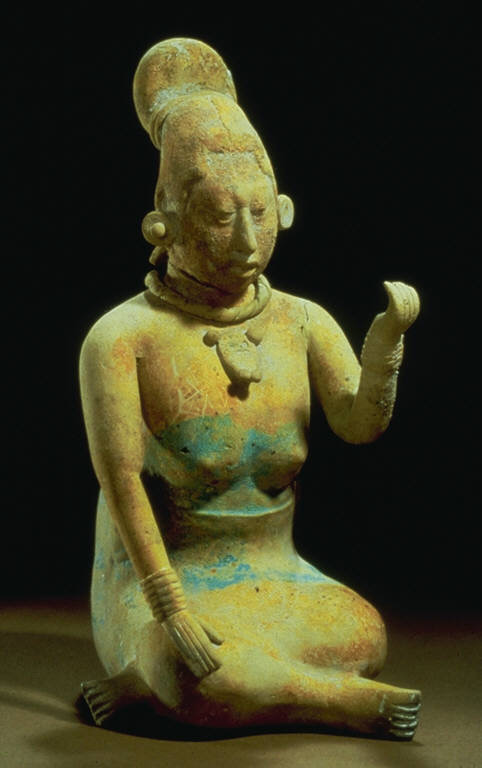
  • The (Beautiful) Men and Women of Jaina Figurines

    Hybrid

    Lifelike Maya figurines from the Island of Jaina have been collected for almost 200 years, with hundreds now known in collections around the world, from Berlin to Brooklyn, and Los Angeles to Mexico City. These figurines also present the largest corpus of female representations of the ancient Americas, comprising roughly one-third of all known examples. […]

  • Boxes, Banks, Bags, and Bones: Carrying and Storing Money in Ancient Rome

    Semans Auditorium (Room 117), Belk Visual Arts Center 315 N. Main St., Davidson, NC, United States

    About the lecture: How did the Romans carry, store, and save their money? This talk surveys the archaeological evidence for the wallets, purses, bags, boxes, and chests in which the ancient Romans placed their coined money at home and on the go. From reused cooking pots to bronze arm purses and ceramic “piggybanks,” we will […]