

Filters

Changing any of the form inputs will cause the list of events to refresh with the filtered results.

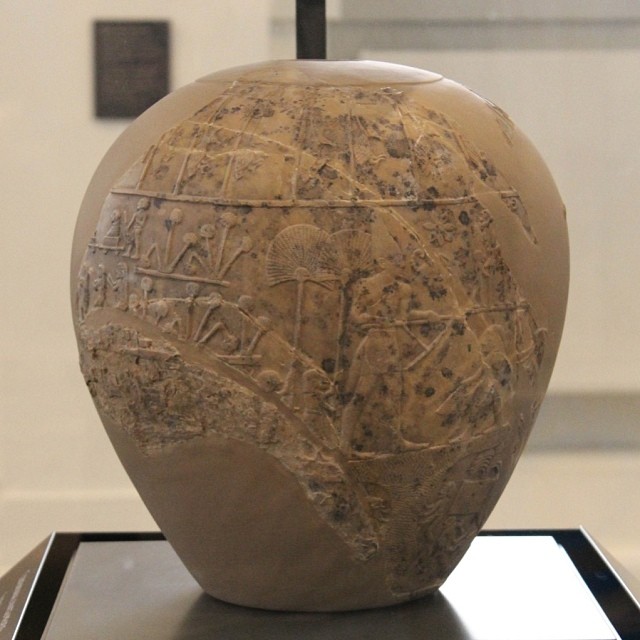
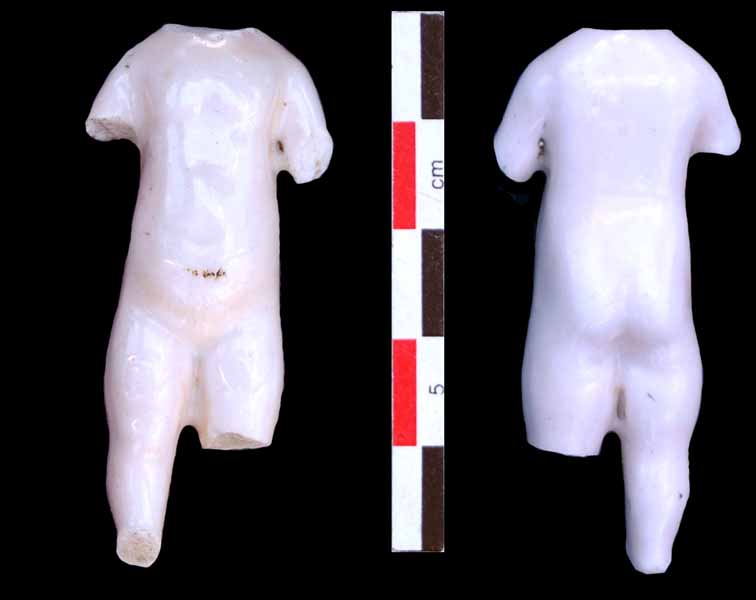
  • Mediterranean Marketplaces: Connecting the Ancient World Exhibition

    Harvard Museum of the Ancient Near East 6 Divinity Avenue, Cambridge, MA, United States

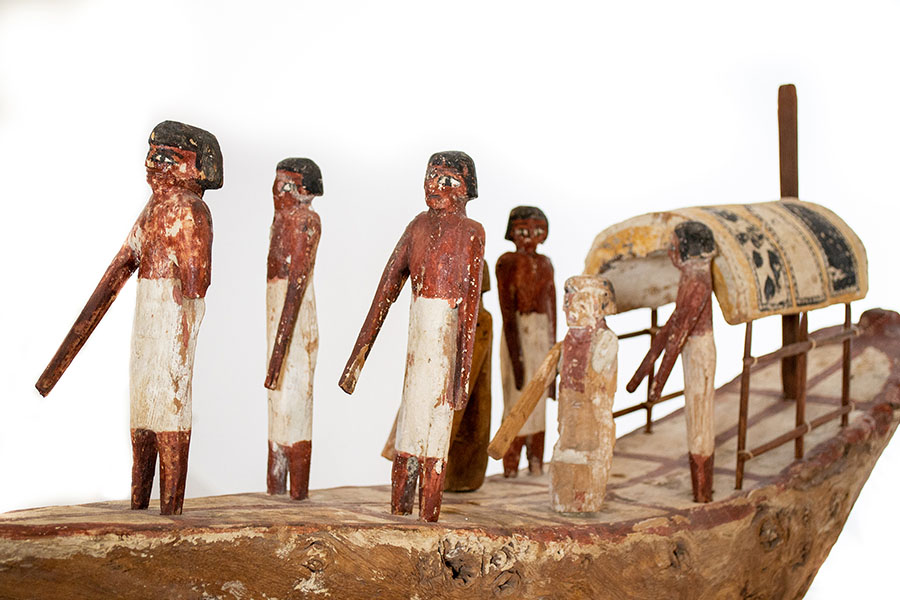
    Much like today, ancient “consumers” were connected to distant markets. Both basic and precious goods from faraway lands “shipped” to royal palaces, elite estates—sometimes even rural households—and technological advances in craftsmanship and commerce transcended boundaries of language, religion, or culture to spread rapidly. Mediterranean Marketplaces explores how the movement of goods, peoples, and ideas around […]
  • Muchos Méxicos: Crossroads of the Americas Exhibition

    Peabody Museum of Archaeology and Ethnology 11 Divinity Avenue, Cambridge, MA, United States

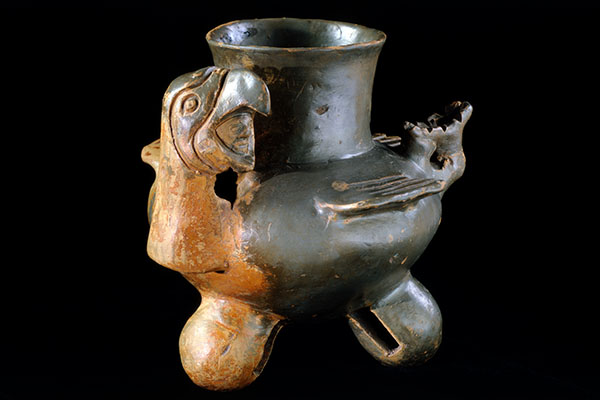
    Muchos Méxicos explores Mexico’s rich history as a site of human innovation, creativity and cultural diversity. Featuring Mexican objects from the Peabody Museum collections, this bilingual exhibit tells the story of Mexico as a multicultural and geographic crossroads—one where the exchange of resources, products, and ideas among Indigenous peoples throughout the Americas before the Spanish […]

  • Unearthing A Slave Community

    PA, United States

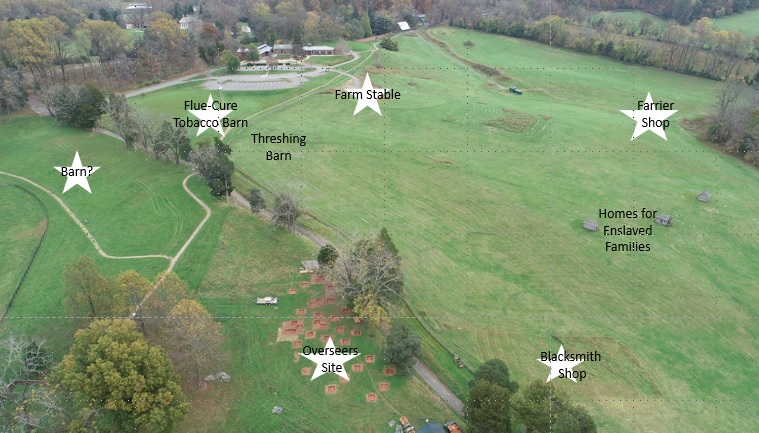
    Over the next several years, we will be examining a number of different archaeological sites. What makes Montpelier a wonderful property for surveys and excavations is its relative undisturbed condition. […]

  • Cochineal: How Mexico Made the World See Red (Online Exhibit Spotlight) / Cochinilla: Cómo México Hizo que el Mundo Viera el Rojo (Exposición en Línea)

    Harvard Museums of Science & Culture (Virtual) 26 Oxford St., Cambridge, MA, United States

    Cochineal, a tiny insect found on certain species of Oaxacan cacti, was harvested for millennia by Indigenous peoples to dye fabrics a vibrant red color. But following the European invasion of the Americas in the sixteenth century, it became a widely coveted, globally traded commodity that transformed textiles and art, and made Mexico a center […]

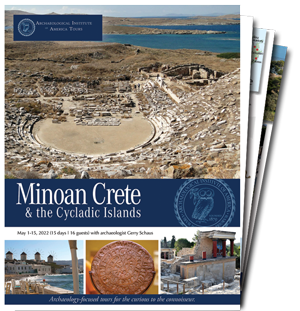
  • Minoan Crete & the Cycladic Isles

    Step back in time to explore the island of Crete, center of the Minoan civilization during the Bronze Age, as well as the nearby Cycladic Islands of Santorini, Mykonos, and Delos. Marvel at the physical evidence of this first advanced civilization in Europe, which created palace complexes, stunning works of art, a unique writing system […]

  • War on Looting: Contested Object Case Studies

    on Zoom - pre-register via our partner org here: https://cas.stthomas.edu/departments/areas-of-study/art-history/ St. Paul, MN, United States

    Please join us for an hour of brief case studies and Q&A about Looting presented by UST Art History graduate students!

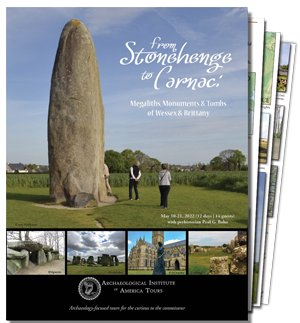
  • From Stonehenge to Carnac

    Megaliths, Monuments & Tombs of Wessex & Brittany Explore the extraordinary prehistoric sites of Wessex, England, and Brittany, France. Amidst beautiful landscapes see world-renowned, as well as lesser-known, Neolithic and Bronze Age megaliths and monuments such as enigmatic rings of giant standing stones and remarkable chambered tombs.

  • The Archaeology Channel International Film Festival

    Recital Hall, The Shedd Institute 868 High St at E Broadway, Eugene, OR, United States

    Begun in 2003, this is the only juried film competition in this genre in the Western Hemisphere. We organized it to exhibit for our audience the wonderful diversity of human […]

  • Earthquakes and the Structuring of Greco-Roman Society: the longue durée of human-geological environment relationships in Helike, Greece (SAIG/GSC Dissertation Lecture)

    Speaker: Amanda Gaggioli, PhD Candidate, Department of Classics | Stanford Archaeology Center, Stanford University Bio: Amanda’s research combines specializations in archaeology, history, and ancient languages with environmental sciences, particularly geoarchaeology and soil micromorphology, to interpret cultural forms of environmental knowledge, cultural practices, landscapes, and paleoenvironments that factored into societal developments. This combined work accounts for […]