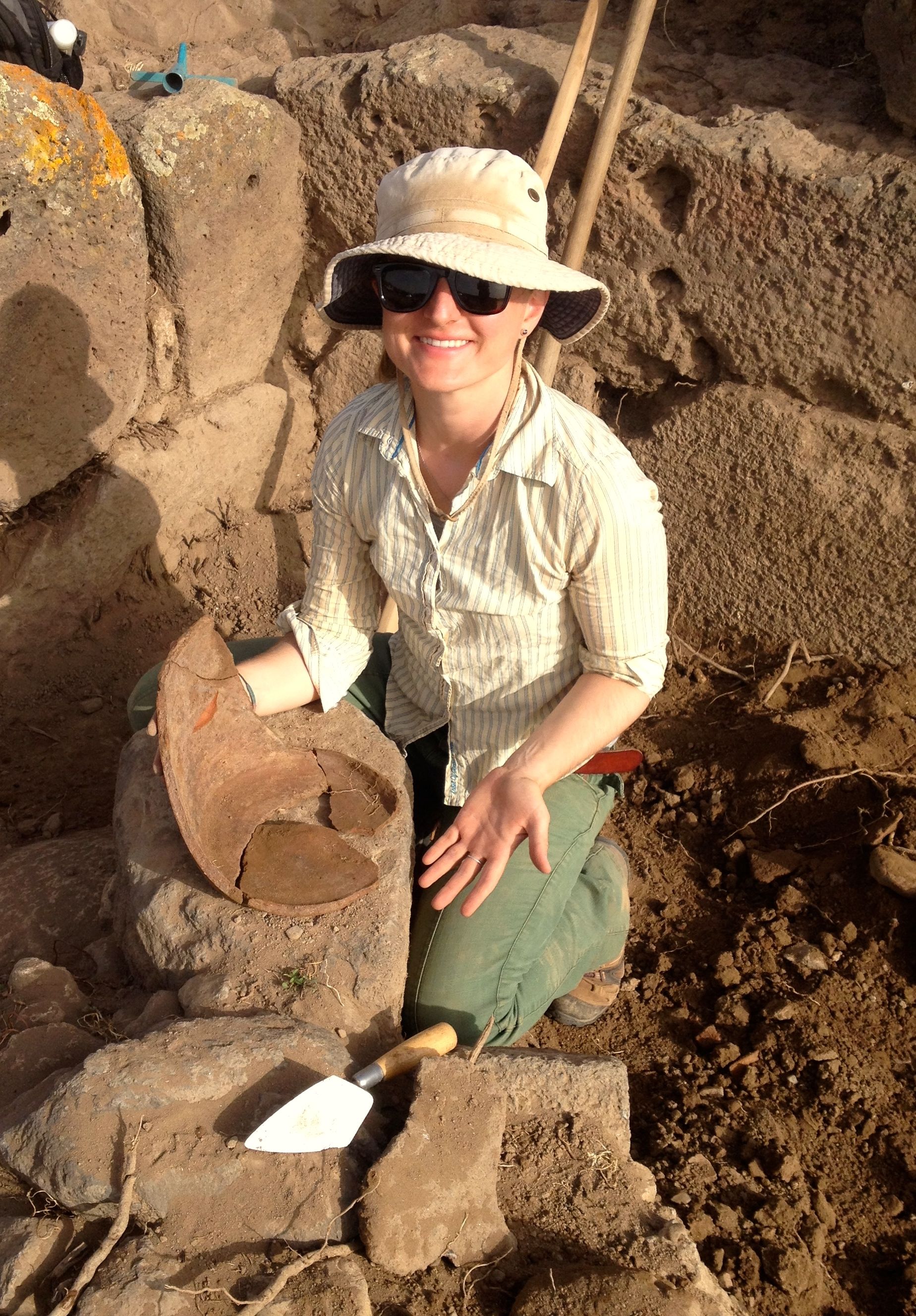
Dr. Linda Gosner is currently an Assistant Professor of Classical Archaeology at Texas Tech University and will join the faculty of the Department of Ancient Greek and Roman Studies at the University of California at Berkeley in 2026. She holds a PhD from Brown University’s Joukowsky Institute for Archaeology and the Ancient World. Dr. Gosner’s research explores local responses to Roman imperialism in rural and industrial landscapes of the western Mediterranean. She studies the impact of empire on technology, craft production, labor practices, and everyday life in provincial communities. Her work engages with broad questions about human-environment interaction, community and identity, labor history, mobility, and culture contact. Much of her current scholarship is about the mining industry in Iron Age and Roman Iberia. Dr. Gosner is also co-director of the Sinis Archaeological Project, a landscape survey in west-central Sardinia. Her recent work has included a co-edited book Local Responses to Connectivity and Mobility in the Ancient West-Central Mediterranean (Equinox, 2024) and articles for such venues as the Journal of Social Archaeology, the European Journal of Archaeology, and Open Archaeology. Dr. Gosner’s recent work has been supported by the Institute for Advanced Study (Princeton), the American Council of Learned Societies, and the Loeb Classical Library Foundation.

Dr. Helen Green is a Senior Research Fellow at the University of Melbourne, a Rock Art Australia Research Fellow, and Chair of Rock Art Australia’s Science Advisory Council. Her research specialises in developing and applying innovative dating techniques to better understand the age and preservation of Australian rock art, with a particular focus on radiocarbon dating and the impacts of environmental change. Helen works in close partnership with Traditional Owners, community organisations, and interdisciplinary research teams to co-design projects that advance both scientific knowledge and cultural priorities. Over the past decade, her work has been supported by major fellowships, competitive grants, and philanthropic funding, and she continues to play a leading role in building collaborative research frameworks that support the protection and understanding of Australia’s Aboriginal cultural heritage.
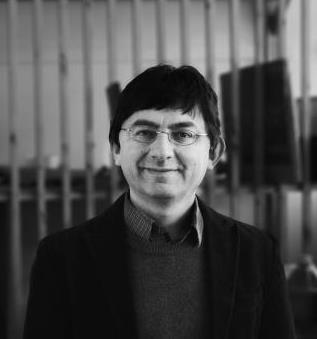
Ömür Harmanşah is Associate Professor of Art History at the University of Illinois at Chicago; he holds his degrees from the Middle East Technical University in Ankara (MA) and the University of Pennsylvania (PhD). His areas of specialization include the art, architecture and material culture of the ancient Near East and the Eastern Mediterranean world, with an emphasis on Mesopotamia, Anatolia, and Syria during the Bronze and Iron Ages. His past field projects include the “Political Ecology as Practice: A Regional Approach to the Anthropocene” Project (Hunza Valley, Northern Areas in Pakistan), the Yalburt Yaylası Archaeological Landscape Research Project (Ilgın-Konya Province, Turkey), and the Gordion/Yassıhöyük Archaeological Project. Professor Harmanşah was an AIA Kershaw Lecturer for 2019/2020 and is a Norton Lecturer for the 2025/2026 cycle.
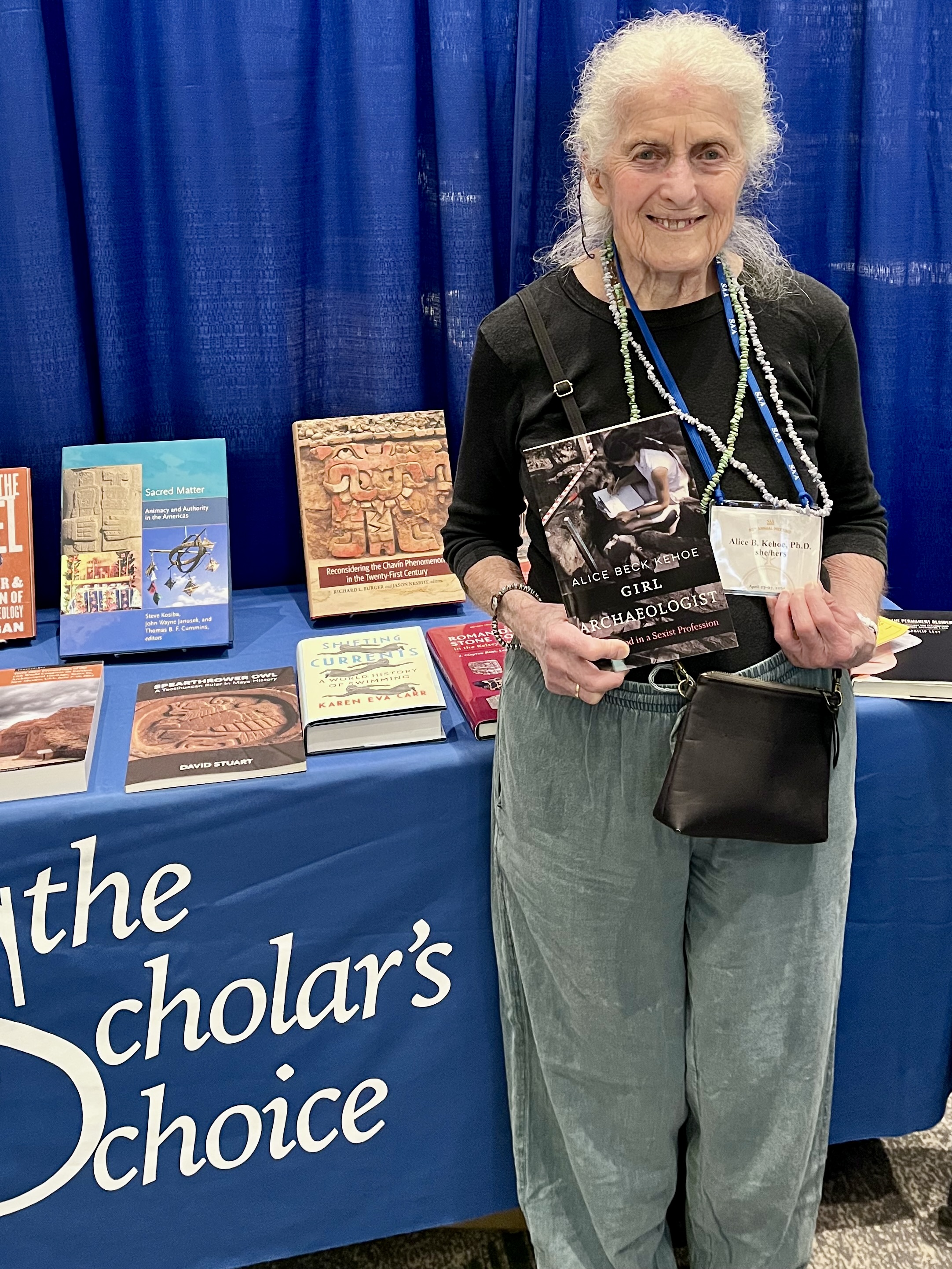
Alice Kehoe’s experiences in archaeology range widely from fieldwork on the Northwestern Plains of North America, to Upper Paleolithic sites in Europe and Tiwanaku in Bolivia. Her long-term interest in the history of archaeology includes research in Scotland on the introduction of the concept “Prehistory” (1851), on the 1493 Doctrine of Discovery that set up archaeological interpretations in colonies including America, and on how the historical sciences including archaeology differ radically from STEM sciences. At Society for American Archaeology’s 2025 conference, Kehoe was honored for her research and for her active leadership of women in archaeology.
Mireille M. Lee, PhD is the Founder and Executive Director of the Foundation for Ethical Stewardship of Cultural Heritage, a US-based nonprofit dedicated to the legal and ethical stewardship of cultural property in academic, public, and private collections. A classical archaeologist by training, Dr. Lee has over two decades of experience in higher education. She currently serves on the Committee for Cultural Heritage for the Archaeological Institute of America, and is a consultant for the Cultural Property Experts On Call (CPEOC) Program at the University of Pennsylvania; she is also a Consulting Scholar for the Penn Cultural Heritage Center.
Dr. Lee has published extensively in ancient Greek art and archaeology, especially on issues of gender and classical reception. Her first book, Body, Dress, and Identity in Ancient Greece, was published by Cambridge University Press in 2015. Her second book, on ancient Greek mirrors, is under contract with Oxford University Press. Her work has been supported by the National Endowment for the Humanities, the Center for Advanced Study in the Visual Arts, and the American Council of Learned Societies, among others.

Dr. Ashley Lemke is an anthropologist, archaeologist, and Explorers Club Fellow. She is an Associate Professor at the University of Wisconsin–Milwaukee and received her PhD in Anthropology from the University of Michigan. An expert on submerged ancient sites, she has received grants from the National Science Foundation and the National Oceanic and Atmospheric Administration. Her books include Anthropological Archaeology Underwater (2024, Cambridge University Press) and The Architecture of Hunting (2022, Texas A&M University Press). She has directed research projects in North America and below its waters, including in the Great Lakes and Atlantic Ocean. She has conducted archaeological research in Europe in Germany, Spain, Romania, and Serbia. Lemke collaborates with Computer Scientists to explore applications of virtual worlds, artificial intelligence, and virtual reality for archaeological research and discovery. She previously taught at the University of Texas at Arlington, where she received the President’s Award for Excellence in Teaching, the Outstanding Teaching Award for Tenure Track Faculty, and was inducted into the Academy of Distinguished Teachers. Lemke is a past chair of the Advisory Council on Underwater Archaeology. Ashley Lemke is a 2025/2026 National Lecturer.
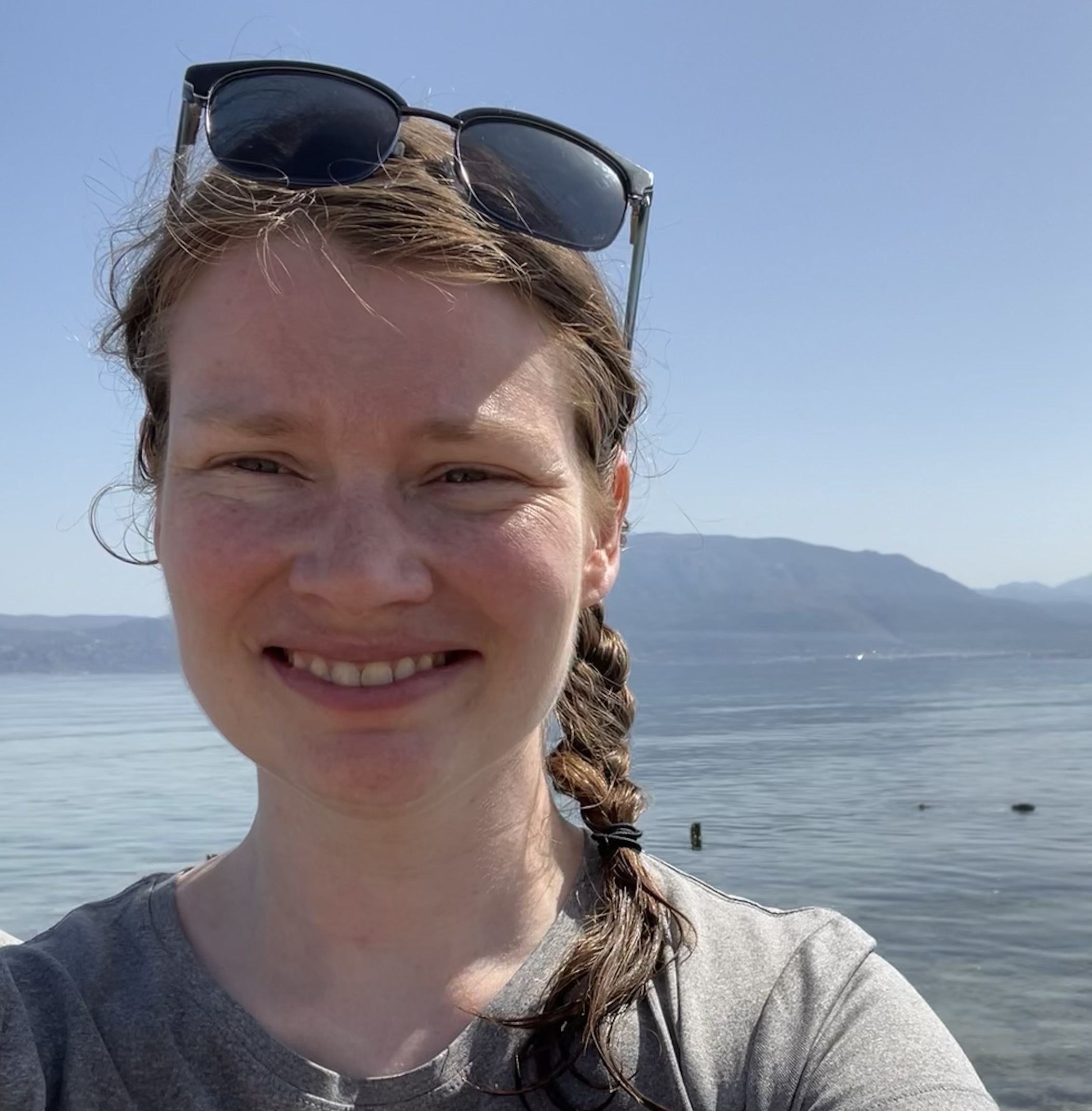
Brita Lorentzen is an Assistant Professor in the Department of Anthropology and director of the Tree-Rings and Archaeological Wood Analysis Lab at University of Georgia. She completed her PhD at Cornell University, where she also served as a research scientist and lab manager of the Cornell Tree-Ring Laboratory. She is an environmental archaeologist who uses tree-rings, stable isotope geochemistry, and archaeobotanical methods to investigate human interactions with climate and environment, transmission of shipbuilding materials and technologies, and their long-term impacts on forest and coastal ecosystems. She has conducted archaeological and heritage science fieldwork above and underwater throughout the East Mediterranean, Southeast Europe, and North America, including as a dendrochronologist for the Lechaion Harbor Project in Corinth (Greece), Mazotos Shipwreck Project (Cyprus), and underwater excavations at Dor/Tantura Lagoon and Akko Bay (Israel). She also co-directs the TREE Project investigating Byzantine-Medieval wooden monuments, artwork and modern forests in the Troodos Mountains (Cyprus).

Debra L. Martin, Distinguished Professor Emerita of Anthropology at the University of Nevada in Las Vegas, is an expert on violence in past societies, which includes expertise in human osteology and bioarchaeology. She received her PhD from the University of Massachusetts. The analysis of skeletonized human remains from archaeological as well as historic and contemporary settings form a basis for understanding the effects of trauma, fractures, disability and wounds related to lethal and nonlethal violence. She is the Series Editor for Bioarchaeology and Social Theory, a book series dedicated to cutting-edge bioarchaeological work published by Springer Verlag. She is also the Editor of the journal, American Antiquity. Her recent publications include co-authoring Gender Violence in the American Southwest (AD 1100) (Routledge), co-editing Bioarchaeology of Borders and Frontiers (UPF), Massacres (UPF), and Bioarchaeological and Forensic Perspectives on Violence (Cambridge). She is co-author of the textbook, Bioarchaeology An Integrated Approach to Working with Human Remains.
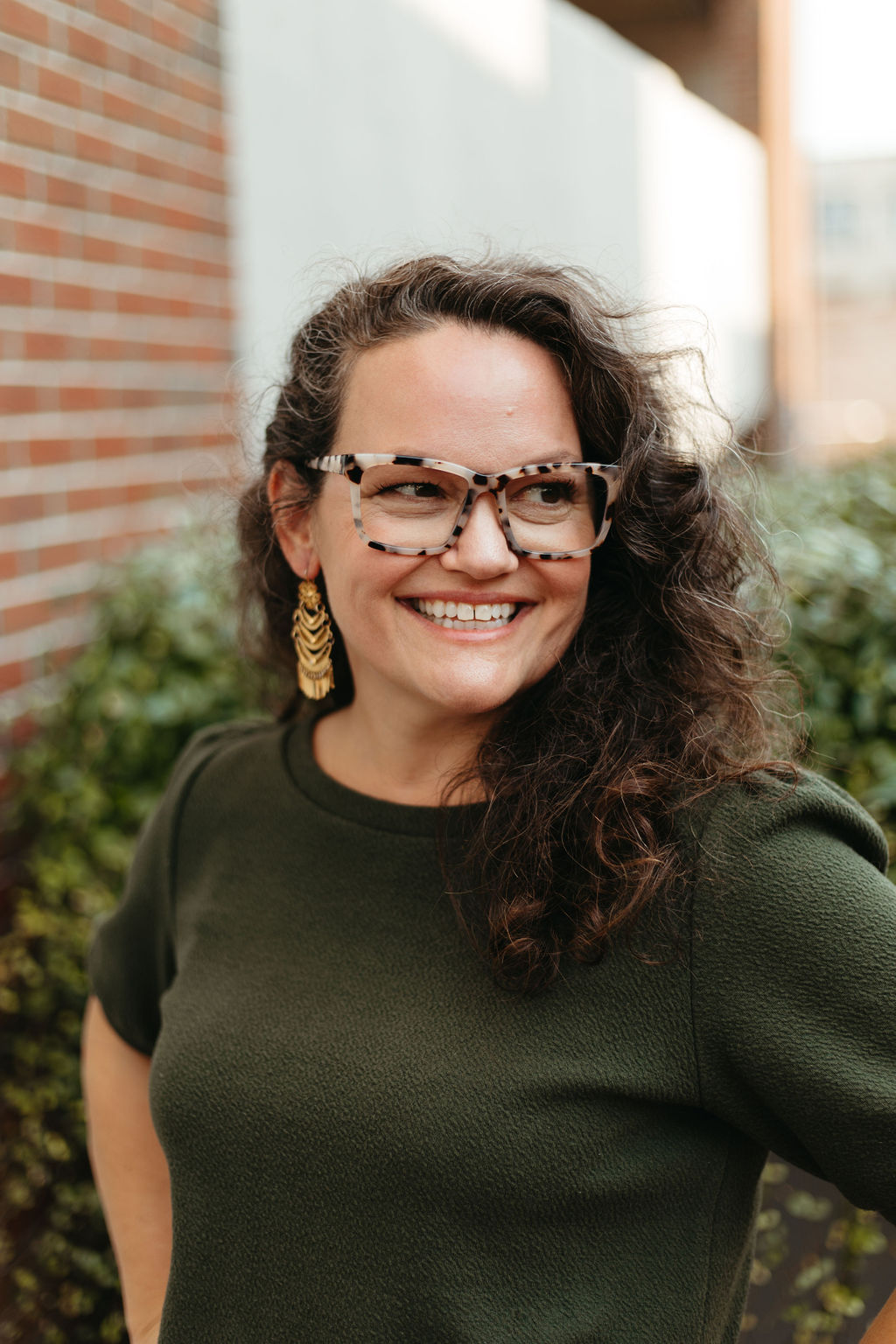
Dr. Jennifer McKinnon is an underwater and terrestrial archaeologist. She is a Professor in the Program in Maritime Studies at East Carolina University and received her MA and PhD in Anthropology from Florida State University and her BS from University of Florida. Her research focuses on battlefield and conflict archaeology (specifically WWII in the Pacific), Spanish exploration and colonization, Indigenous seascapes and traditional cultural places, and community and public archaeology practices. She has received grants from the National Endowment for the Humanities, National Park Service, the National Oceanic and Atmospheric Administration and others. Her books include Underwater Archaeology of a Pacific Battlefield: The WWII Battle of Saipan (2015), It Rained Fire: Oral Histories from the Battle of Saipan (2019), and The Archaeology of American Shipwrecks (in press). She has directed research project in the US, Caribbean, Europe, the Pacific, and Australia on sites ranging from Spanish colonial shipwrecks to WWII aircraft. She previously taught at Flinders University in South Australia and was a Senior Underwater Archaeologist for the State of Florida. She is the Chair of the Advisory Council on Underwater Archaeology and is on the Board of Directors for the Society for Historical Archaeology.
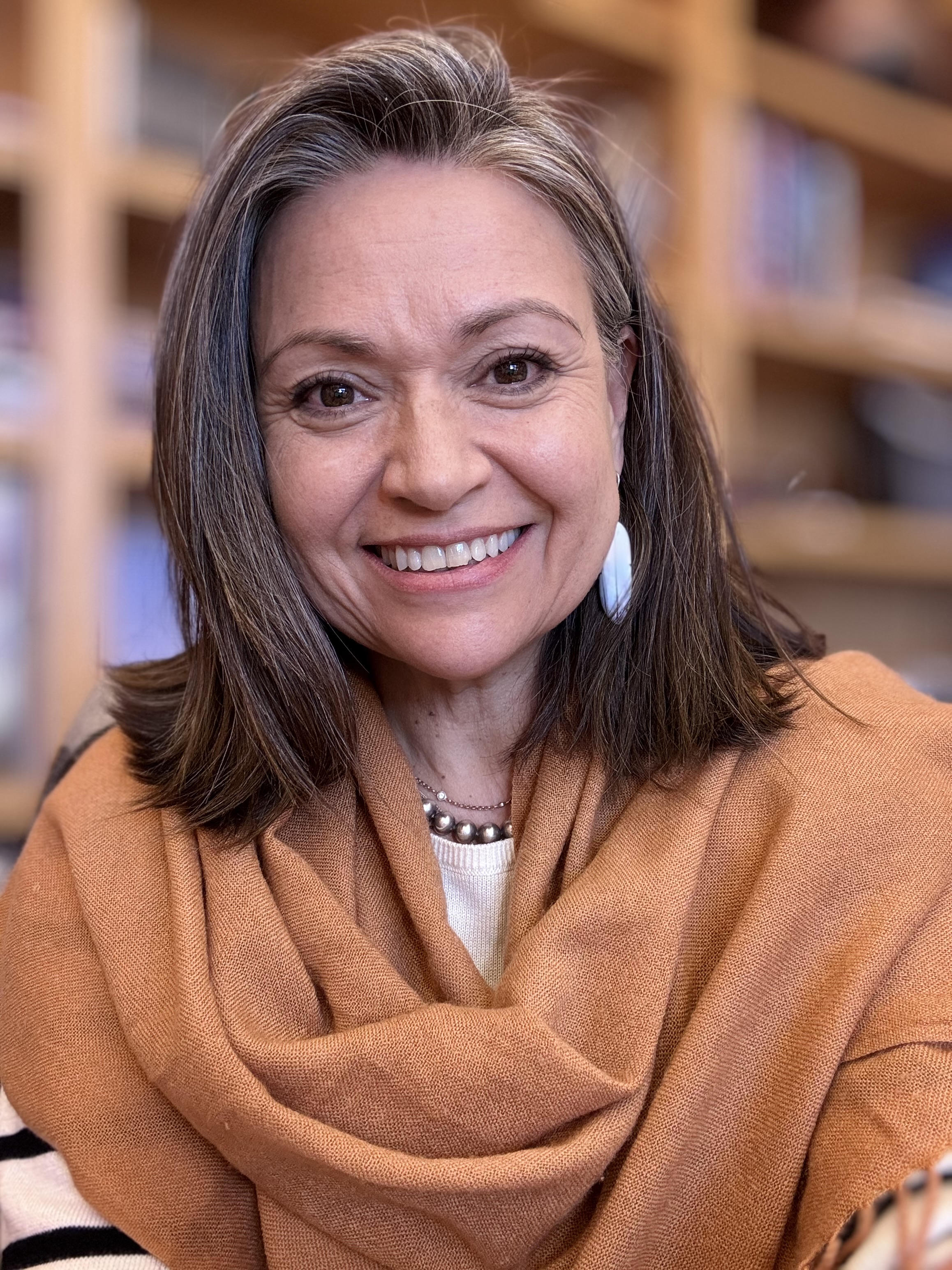
Danyelle Means (Oglala Lakota) is the Executive Director of the Museum of Indian Arts & Culture (MIAC) in Santa Fe, New Mexico. Her work focuses on the care, interpretation, and ethical stewardship of Native material culture, with particular attention to the Indigenous peoples of the Southwest. She oversees the museum’s Archaeological Research Collections and works closely with Tribal Historic Preservation Officers and Native communities on issues related to NAGPRA, collections access, and cultural responsibility.
Danyelle’s career includes work at the National Museum of the American Indian, the Institute of American Indian Arts, the Center for Contemporary Arts in Santa Fe, and the Southwestern Association for Indian Arts, as well as independent curatorial and consulting projects. She brings a perspective grounded in Indigenous knowledge systems and lived experience, emphasizing that archaeology and collections work must remain accountable to the communities from whom these materials originate.