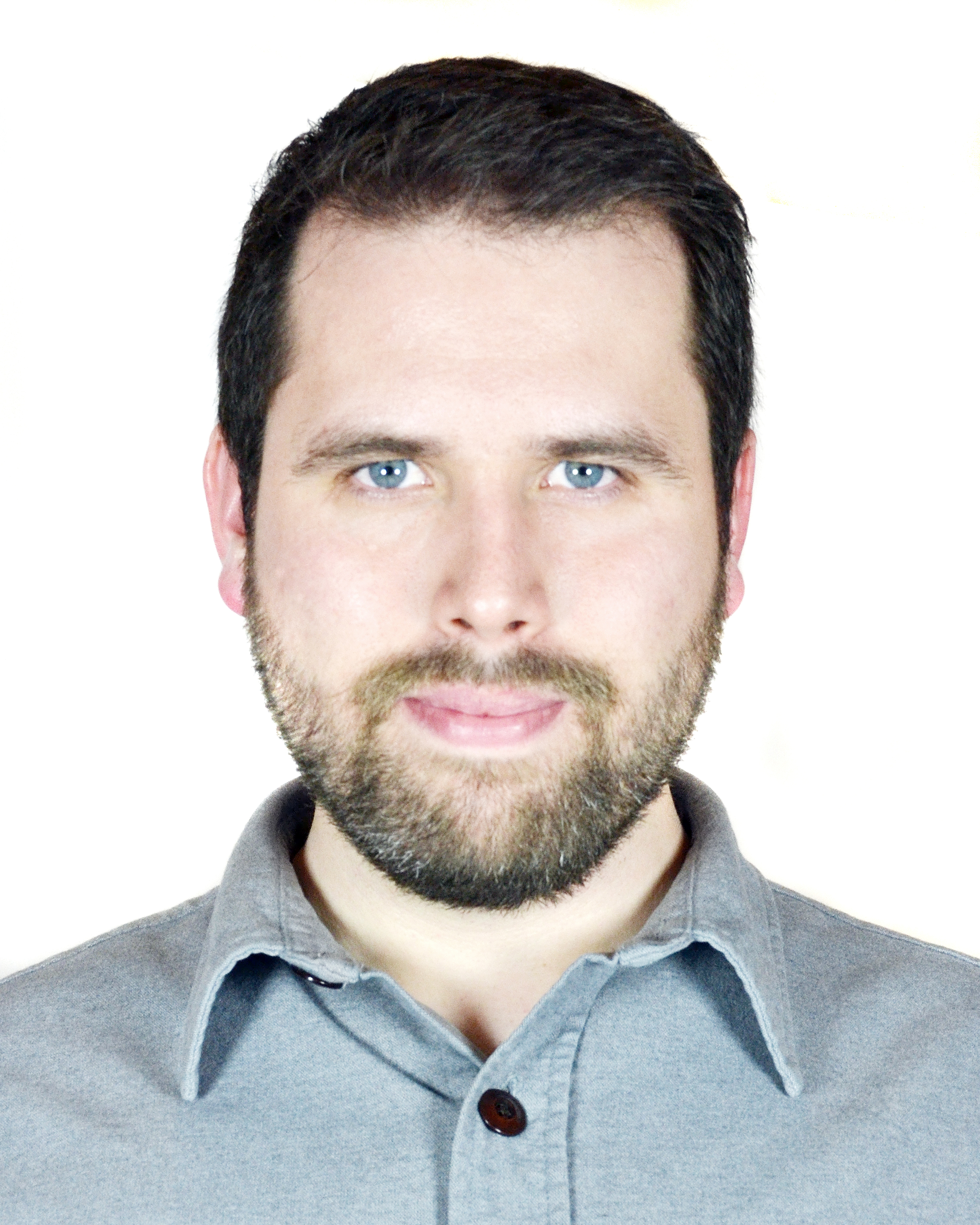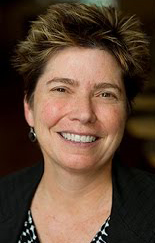
Sue Alcock is the inaugural holder of the Barnett Family Professorship of Classical Archaeology at the University of Oklahoma. Her research interests include the Hellenistic and Roman East, landscape archaeology, archaeological survey, and archaeologies of memory and of imperialism. Alcock has conducted fieldwork in Greece, Armenia and in Jordan, for example, directing the Brown University Petra Archaeological Project.
From 2006-2015, she served at Brown University as the inaugural Director of the Joukowsky Institute for Archaeology and the Ancient World, and as Joukowsky Family Professor. Alcock holds a doctorate in classical archaeology and classics from the University of Cambridge, UK, and bachelor’s degrees from Cambridge and from Yale University. She is a 2001 recipient of a MacArthur Fellowship and is a Corresponding Fellow of the British Academy, a Corresponding Member of the German Archaeological Institute, and an Honorary Fellow of Clare College, Cambridge.
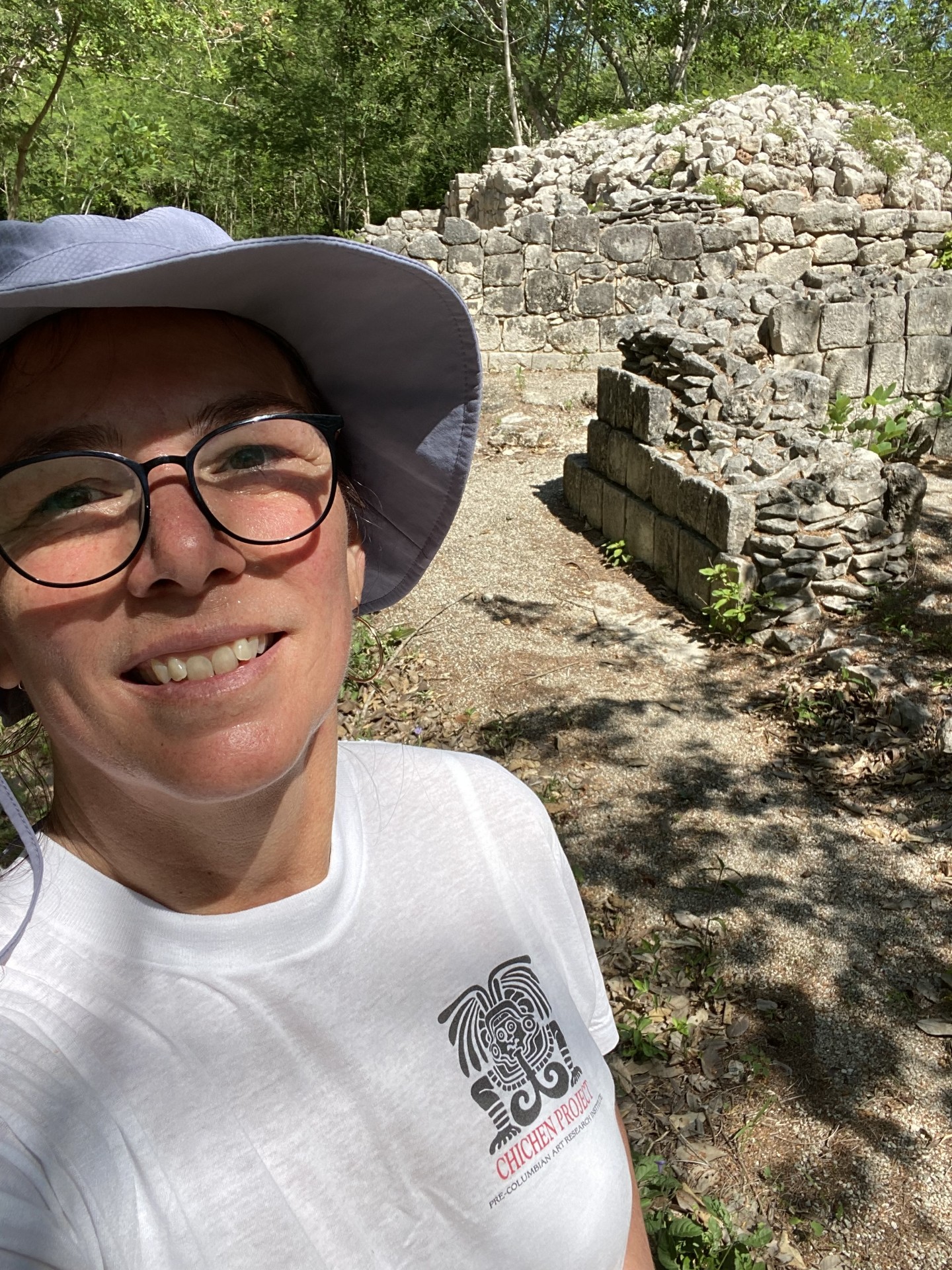
Traci is Professor of Anthropology and Cooper Fellow at the University of Miami in Coral Gables, Florida, and received her PhD from Yale University. Her research focuses on issues of identity and other forms of symbolic representation in the archaeological record, especially the ways in which differences are explained through gender, food, or crafting. Traci is co-director of the Proyecto de Interacción Política del Centro de Yucatán, at the Classic Maya site of Yaxuna, in Yucatan, Mexico where she investigates the ways ancient road systems allowed for the flow of information and ideas as well as how culinary tourism and modern foodways intersect. She also co-directs the Matecumbe Chiefdom Project which uses archaeological data to recover the political history and historical ecology of the original inhabitants of the Florida Keys. She grew up in and around the Ringling Museum of Art, where she began a lifelong fascination with the ways objects come to convey our many wants and needs.
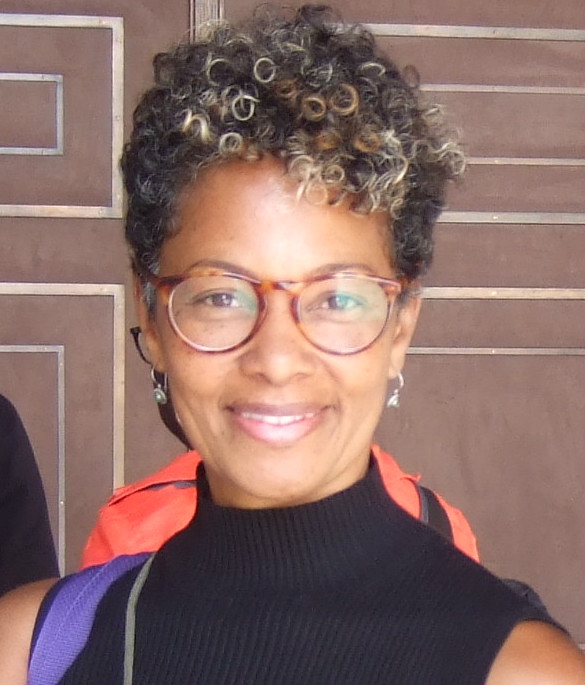
Solange Ashby is an Assistant Professor in the department of Near Eastern Languages and Cultures at UCLA where she teaches Egyptology and Nubian Studies. Dr. Ashby’s expertise in ancient languages, including Egyptian hieroglyphs, Ethiopic, and Meroitic, underpins her research into religious transformation in Northeast Africa. Her book, Calling Out to Isis: The Enduring Nubian Presence at Philae, explores the Egyptian temple of Philae as a Nubian sacred site. Her second book, a co-edited volume, New Perspectives on Ancient Nubia, was published in August of 2024. She is currently working on a monograph about Nubian women in their royal, cultic, and kinship roles, which is under contract with Princeton University Press.
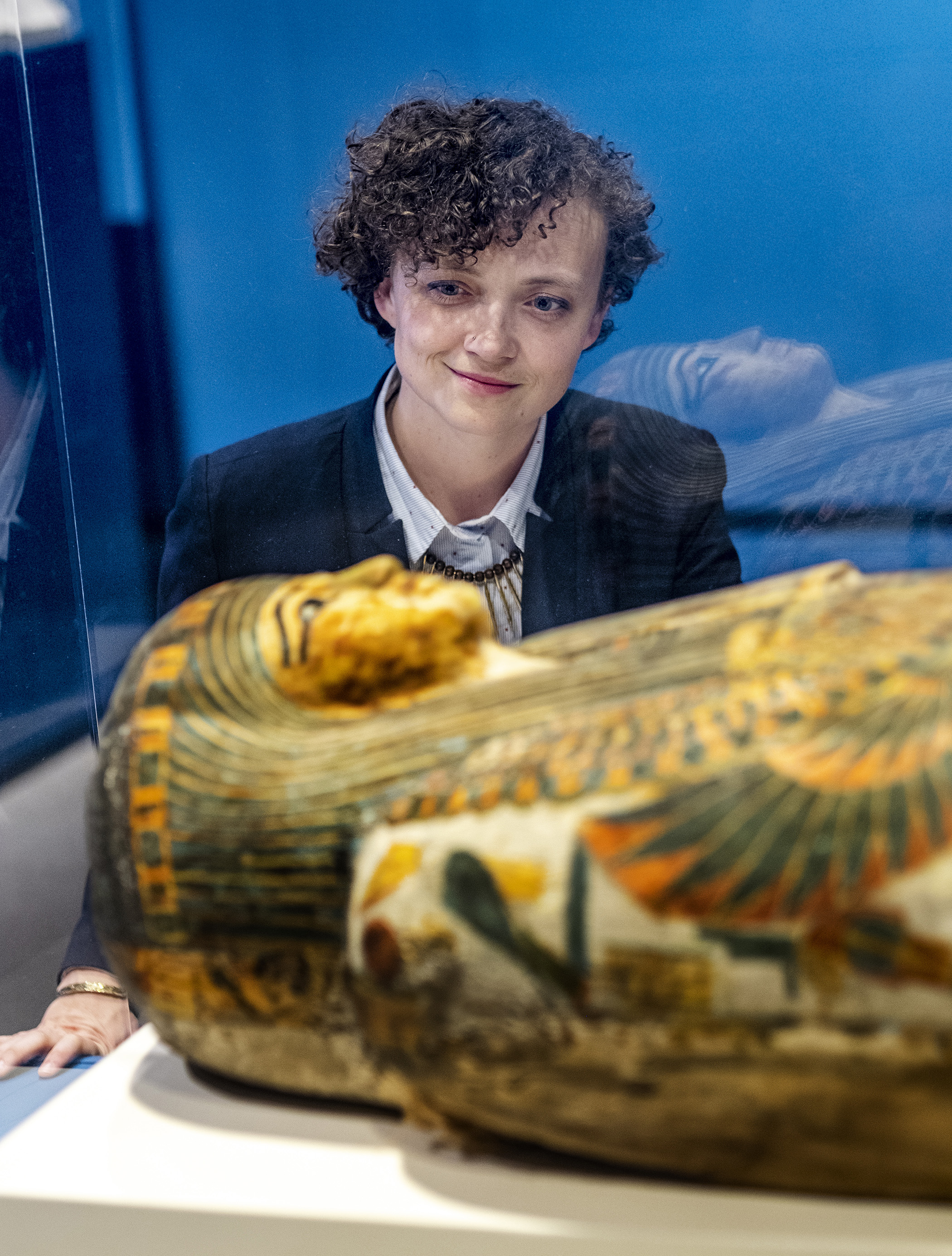
Dr. Anne Austin is an Associate Professor of History at the University of Missouri St. Louis (UMSL). She received her B.A. in Anthropology from Harvard University and earned her M.A. and Ph.D. in the Archaeology program at UCLA. She joined UMSL in 2017 after completing a three-year postdoctoral fellowship in the History Department at Stanford University. Her research combines the fields of osteology and Egyptology in order to document medicine and disease in the past. In her book, Healthmaking in Ancient Egypt, Anne uses data from ancient Egyptian human remains and daily life texts to reconstruct ancient Egyptian health networks and identify how ancient Egyptians improved their health and responded to illness. While working at Deir el-Medina, Anne discovered the mummified remains of a woman with 30 different tattoos. Since then, she and her team have identified several other tattooed women, rewriting the history of tattooing in ancient Egypt. Anne’s next book will explore the practice of tattooing in ancient Egypt and its potential connections to gender, religion, and medicine.
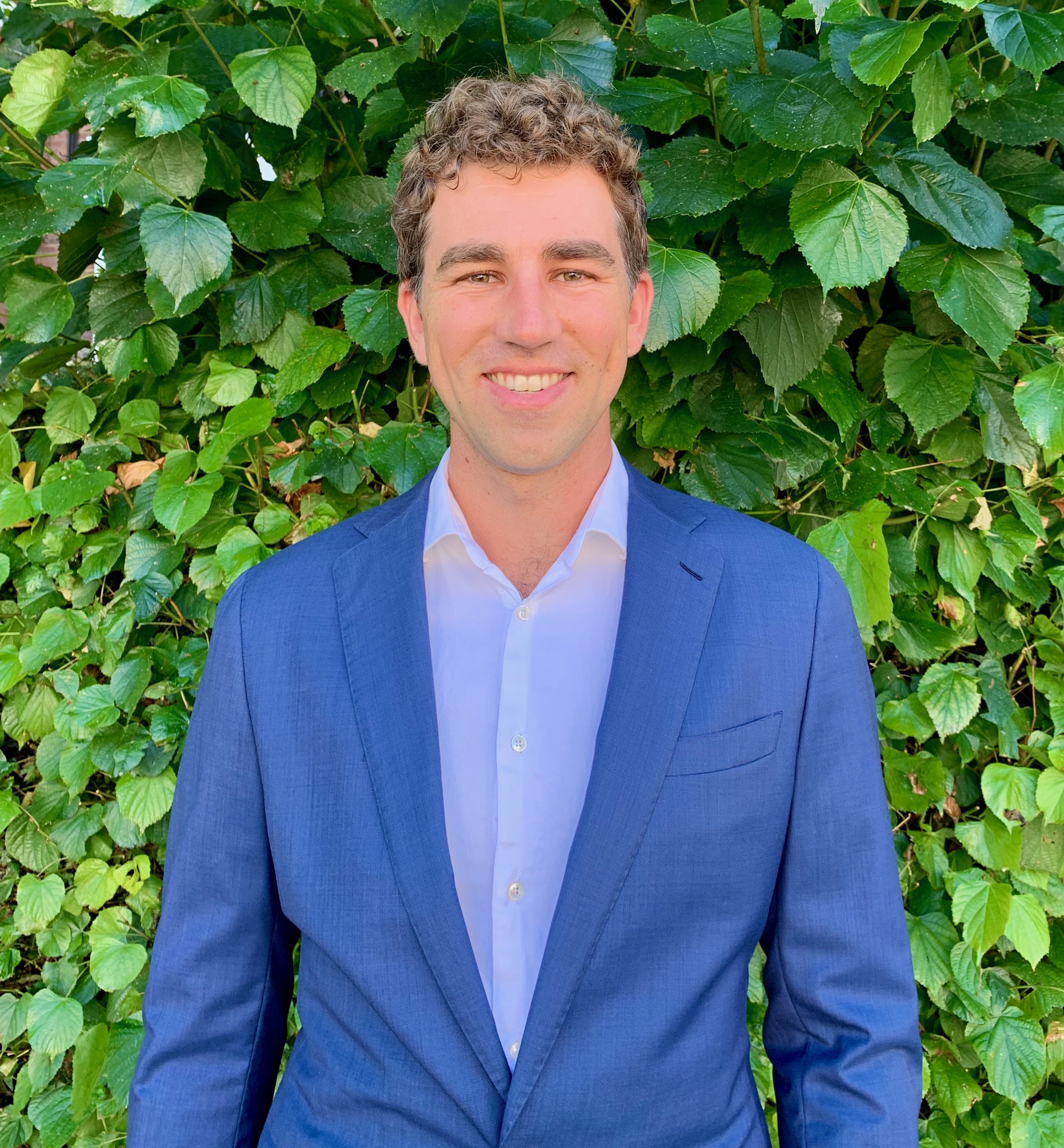
Nicholas Bartos is a Research Scholar at the Institute for the Study of the Ancient World, New York University. He completed his PhD in Classics at Stanford University (2024) and previously received an MPhil in Archaeology from the University of Oxford (St. John’s College, 2015) and a BA in Archaeology and the Ancient World from Brown University (2013).
His research principally focuses on how maritime connections structured socioeconomic life in the Mediterranean and the western Indian Ocean during the Roman period. Through ongoing archaeological fieldwork in Egypt, Italy, and India both on land and underwater, Bartos analyzes the material signatures of maritime activity to address questions about the formation of multicultural seaside communities, the development of the ancient economy, and the long-term trajectories of social history.
His current book project uses computational sailing models, port assemblages, and ancient texts such as the Periplus Maris Erythraei to trace the evolution of commercial relationships in the Red Sea, Persian Gulf, and Arabian Sea between the Roman annexation of Egypt (30 BCE) and the Arab Conquest (639 CE). As part of this research, he is a ceramicist at the Berenike Project on the Egyptian Red Sea and has studied material at several sites along the coast of western India.
In the Mediterranean, he has worked in southeastern Sicily for the past ten years, first on the excavations of the Marzamemi 2 shipwreck and currently as field director for underwater survey at the ports of Vendicari, Marzamemi, and Portopalo di Capo Passero with the Marzamemi Maritime Heritage Project. Other ongoing work centers on the colonial legacies of the ancient Indian Ocean, interactions between indigenous nomadic groups and others in the Eastern Desert of Egypt, cultic practice and ritual in cosmopolitan port sites, and methodologies of maritime survey and the computational modeling of ancient mobility.
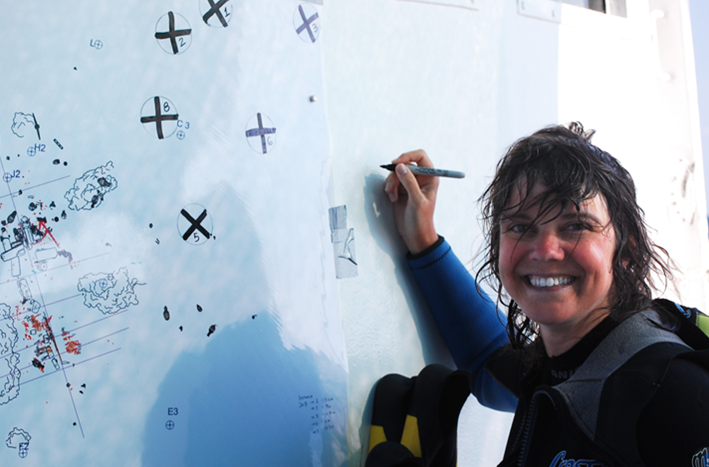
As a newly transplanted Chicago teenager, Deborah Carlson thought adapting to life in North Carolina would prove insurmountable. Then her parents insisted that she study Latin, which seemed at the time like a fatal blow. But in high-school Latin she discovered the world of Caesar, Ovid, and Pliny. The experience fostered in her a deep love of Greco-Roman antiquity, which she studied at the University of Arizona. After finishing her M.A. in 1995, Carlson taught Roman art and archaeology at Arizona for one year and then decided to pursue a degree in nautical archaeology at Texas A&M University. There, she earned the opportunity to work with George Bass as assistant director of a Greek shipwreck excavation off the coast of Turkey at Tektaş Burnu. Her 2003 appointment as the first female of A&M’s nautical archaeology faculty has given her the chance to train and advise the next generation of students, including a community of vibrant young women. She has assisted in the direction of both terrestrial and underwater excavations in Italy, Greece, and Turkey, and has served as the Archaeological Director of Institute of Nautical Archaeology’s excavation of an early-first century B.C. Roman shipwreck at Kızılburun, Turkey, and as the Assistant Director of INA’s work on a Classical Greek ship at Tektaş Burnu, Turkey. She has received various awards for her work, was the 2003/2004 recipient of the AIA’s Olivia James Traveling Fellowship, and a 2010/2011 AIA Joukowsky Lecturer.
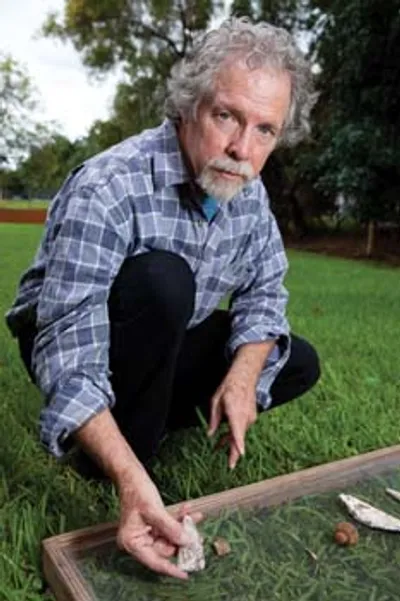
Robert (Bob) Carr co-founded the Archaeological and Historical Conservancy in 1985, and has served as its full-time director since 1999. He has a Master’s Degree in Anthropology from Florida State University. He has worked as an archaeologist with the State of Florida’s Division of Historic Sites, National Park Service and Dade County. He was Miami-Dade County’s first County Archaeologist and became the County Historic Preservation Director. He is the former editor of the Florida Anthropologist and former president of the Florida Archaeological Council. He is a recipient of the Bullen Award and Florida’s Historic Preservation Award.
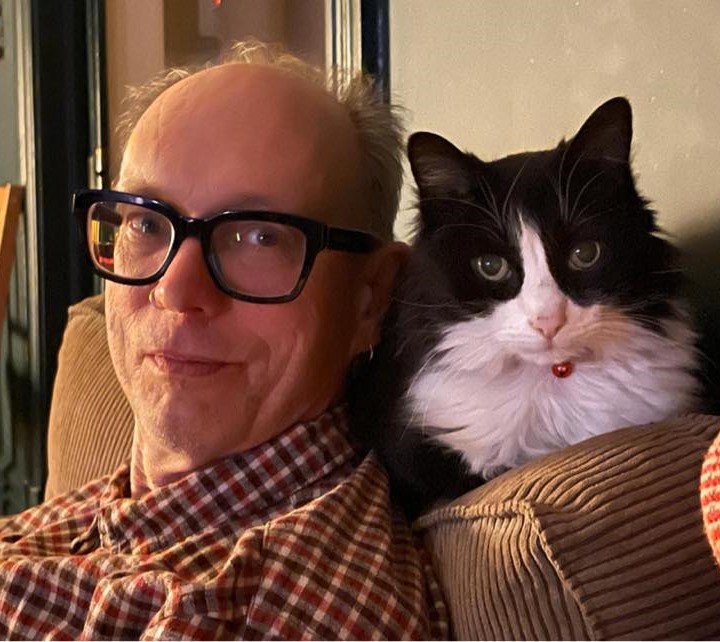
Tristan Carter is a professor of archaeology in the Department of Archaeology at McMaster University. He is a Eurasian prehistorian whose work spans the Palaeolithic to Bronze Age; his research involves detailing lithic technology (and sourcing) as a means of engaging with debates on early human dispersals, Neolithization, and other forms of cultural interaction. He has directed the Stelida Naxos Archaeological Project since 2013 and initiated the Freston Archaeological Research Mission—detailing a massive Neolithic causewayed enclosure in England—in 2018.
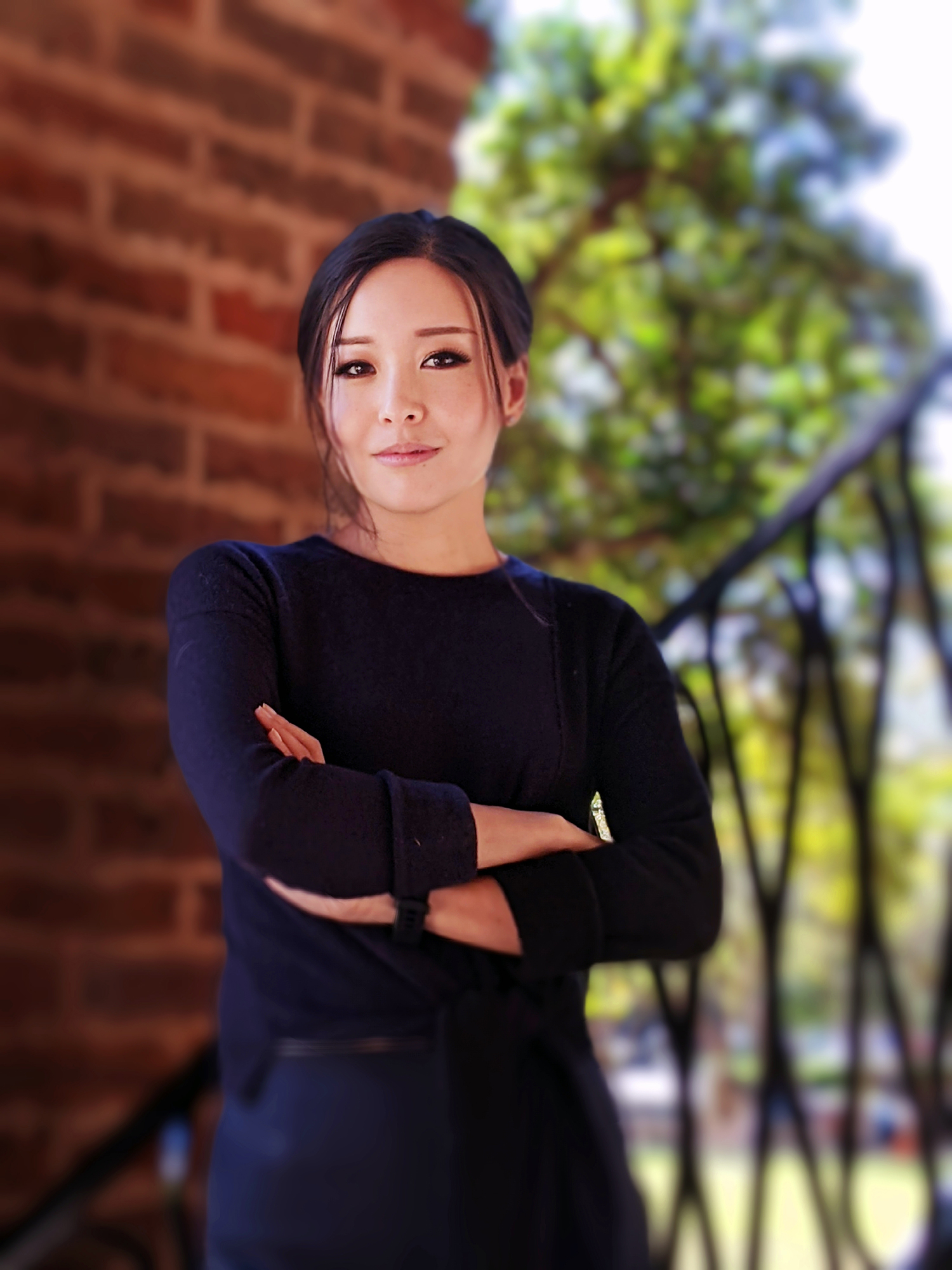
Katherine L. Chiou is an archaeologist, paleoethnobotanist, and Associate Professor of Anthropology at The University of Alabama, where she serves as Chair of the Department of Anthropology and directs the Ancient People and Plants Laboratory. Her research explores relationships among food, plants, people, and power across ancient and contemporary contexts in the Americas.
Through archaeological and interdisciplinary research, Chiou investigates how food systems shape social life, identity, inequality, and human-environment relationships. Her work spans topics ranging from ancient Andean foodways and colonial transformations of food systems to the domestication and global spread of chili peppers. More broadly, she is interested in how food production, consumption, and exchange reveal the often-hidden social and labor systems that sustain human societies.
In addition to her archaeological research, Chiou has been actively involved in archaeological ethics education and professional service. For a decade, she organized the Society for American Archaeology’s (SAA) annual Ethics Bowl and has served on the SAA Committee on Ethics, the Register of Professional Archaeologists’ Ethics Committee, and the task force responsible for revising the SAA Principles of Archaeological Ethics.
More recently, her work has expanded to explore ethical decision-making and emerging technologies, including artificial intelligence, through archaeological and anthropological perspectives. Through her research, teaching, and public scholarship, she seeks to connect insights from the past to contemporary challenges and make archaeology accessible and relevant to broader audiences.