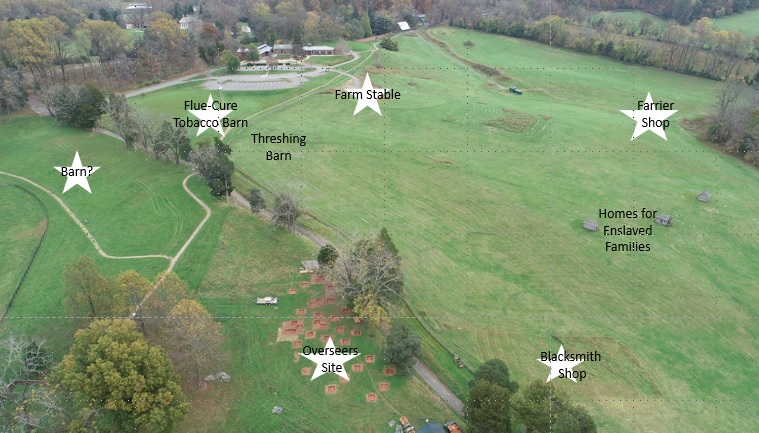
Over the next several years, we will be examining a number of different archaeological sites. What makes Montpelier a wonderful property for surveys and excavations is its relative undisturbed condition. All of the sites we excavate have never been plowed–and most were abandoned in the 1840s, leaving the archaeological features in pristine condition. This season […]
Cochineal: How Mexico Made the World See Red (Online Exhibit Spotlight) / Cochinilla: Cómo México Hizo que el Mundo Viera el Rojo (Exposición en Línea)
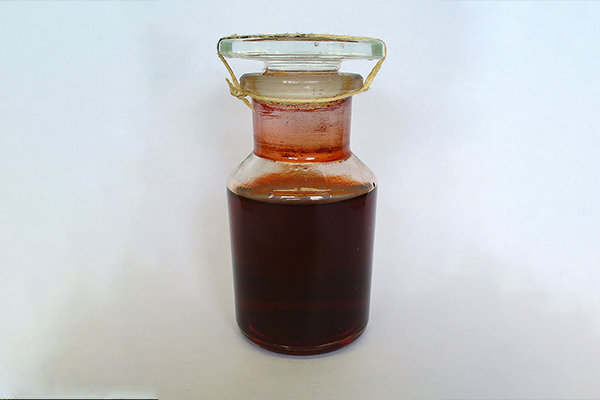
Cochineal, a tiny insect found on certain species of Oaxacan cacti, was harvested for millennia by Indigenous peoples to dye fabrics a vibrant red color. But following the European invasion of the Americas in the sixteenth century, it became a widely coveted, globally traded commodity that transformed textiles and art, and made Mexico a center […]
The American Research Center in Egypt, in collaboration with ARCE-NE, is pleased to present a special afternoon with Dr. Marc Gabolde in celebration of the 100th Anniversary of the discovery of the tomb of King Tutankhamun. A light reception will take place after the reception. Registration is required: https://www.arce.org/tut-chapter-tour
The American Research Center in Egypt, in collaboration with ARCE-NE, is pleased to present a special evening with Dr. Marc Gabolde in celebration of the 100th Anniversary of the discovery of the tomb of King Tutankhamun. A light reception will take place after the lecture. Registration is required: https://www.arce.org/tut-chapter-tour
Cochineal: How Mexico Made the World See Red (Online Exhibit Spotlight) / Cochinilla: Cómo México Hizo que el Mundo Viera el Rojo (Exposición en Línea)
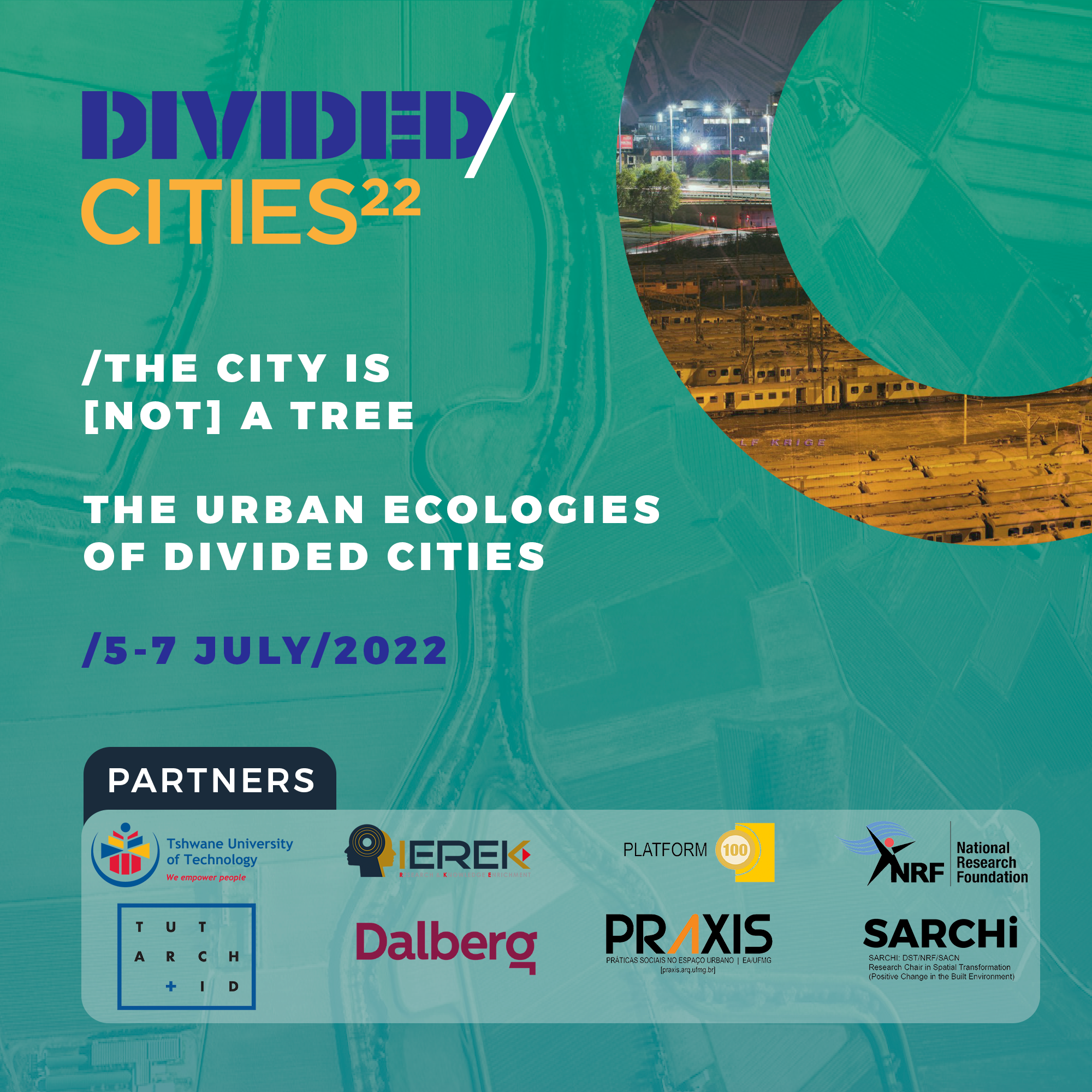
THE CITY IS A TREE: THE URBAN ECOLOGIES OF DIVIDED CITIES is an international collaboration, with associates principally from Europe and Africa, and open to collaboration with contributors from other parts of the world. We are interested in analyses, remedies and healing in divided cities and societies. Although these often relate to specificities of history, […]
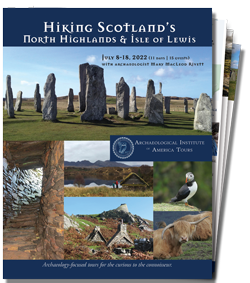
Join archaeologist Mary MacLeod Rivett and a small group of like-minded travelers on this 11-day tour of Scotland’s remote north Highlands and the Isle of Lewis in the Outer Hebrides. Mostly we will explore off the well-beaten Highland tourist trail, and along the way we will be treated to an abundance of archaeological and historical […]
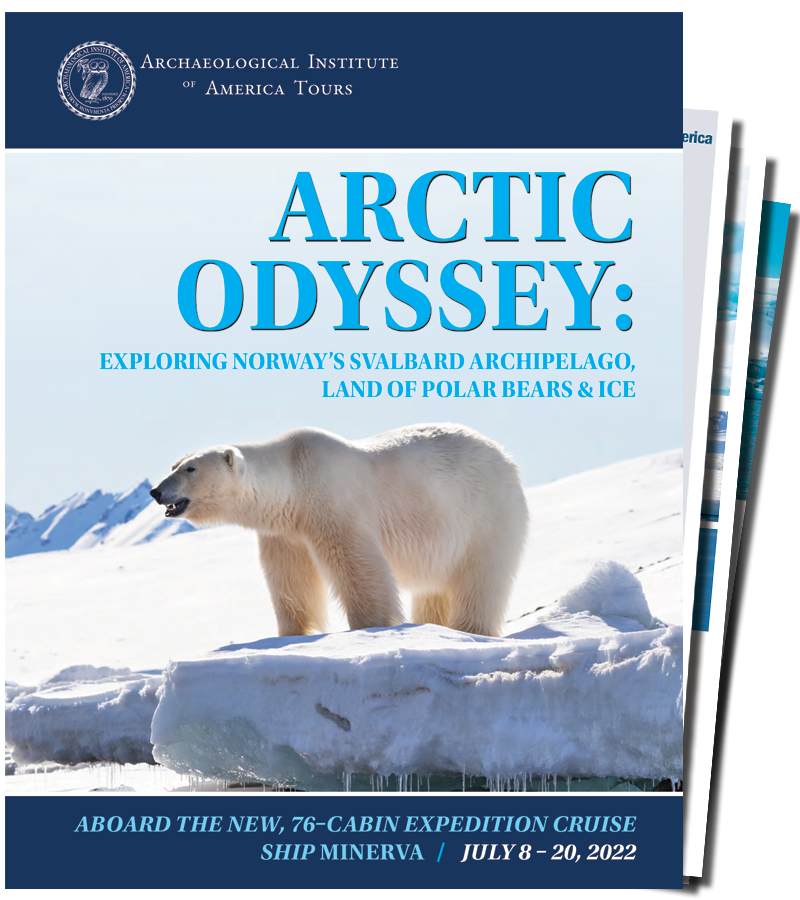
This summer, join a team of lecturers on a voyage that will explore one of the Arctic’s most interesting and magnificent areas, Norway’s Svalbard (Spitsbergen). Enjoy the comforts of a luxurious expedition ship while exploring a remote region far from tourist routes. A group of islands located between Norway and the North Pole, Svalbard is […]
Cochineal: How Mexico Made the World See Red (Online Exhibit Spotlight) / Cochinilla: Cómo México Hizo que el Mundo Viera el Rojo (Exposición en Línea)
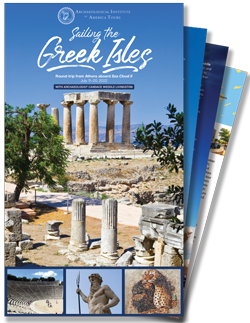
Round trip from Athens aboard the Sea Cloud II Known as the “Cradle of Western Civilization,” Athens, the Peloponnese, and small islands of the Aegean deliver an enticing blend of history, diverse cultural influences, stunning natural beauty, and archaeological gems. There is hardly a better way to visit this part of the world than in […]
Cochineal: How Mexico Made the World See Red (Online Exhibit Spotlight) / Cochinilla: Cómo México Hizo que el Mundo Viera el Rojo (Exposición en Línea)
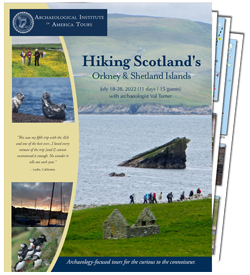
This is the perfect opportunity to explore all that Scotland’s Northern Isles have to offer: prehistoric stone circles, burial chambers, and settlements; quaint villages; huge seabird colonies; and remarkable plant life—all amidst dramatic landscapes. This will be Scotland seen slowly, with time for in-depth exploration at each site. The Orkney and Shetland islands have an […]
Cochineal: How Mexico Made the World See Red (Online Exhibit Spotlight) / Cochinilla: Cómo México Hizo que el Mundo Viera el Rojo (Exposición en Línea)
Cochineal: How Mexico Made the World See Red (Online Exhibit Spotlight) / Cochinilla: Cómo México Hizo que el Mundo Viera el Rojo (Exposición en Línea)