

• The Gunboat at Ground Zero: A Revolutionary War Mystery

    Rye Free Reading Room 1061 Boston Post Road, Rye, NY, United States

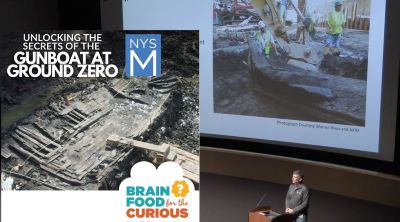
    In 2010, archaeologists monitoring excavation at the World Trade Center redevelopment site made an extraordinary discovery: the remains of an 18th-century wooden gunboat buried deep beneath Manhattan’s historic landfill. Likely built near Philadelphia in the early 1770s, this Revolutionary War-era vessel once patrolled shallow waterways before being abandoned along the Hudson River. Preserved for over 200 years in oxygen-poor […]

  • Redating the Iroquoian Histories through Archaeology

    Rye Free Reading Room 1061 Boston Post Road, Rye, NY, United States

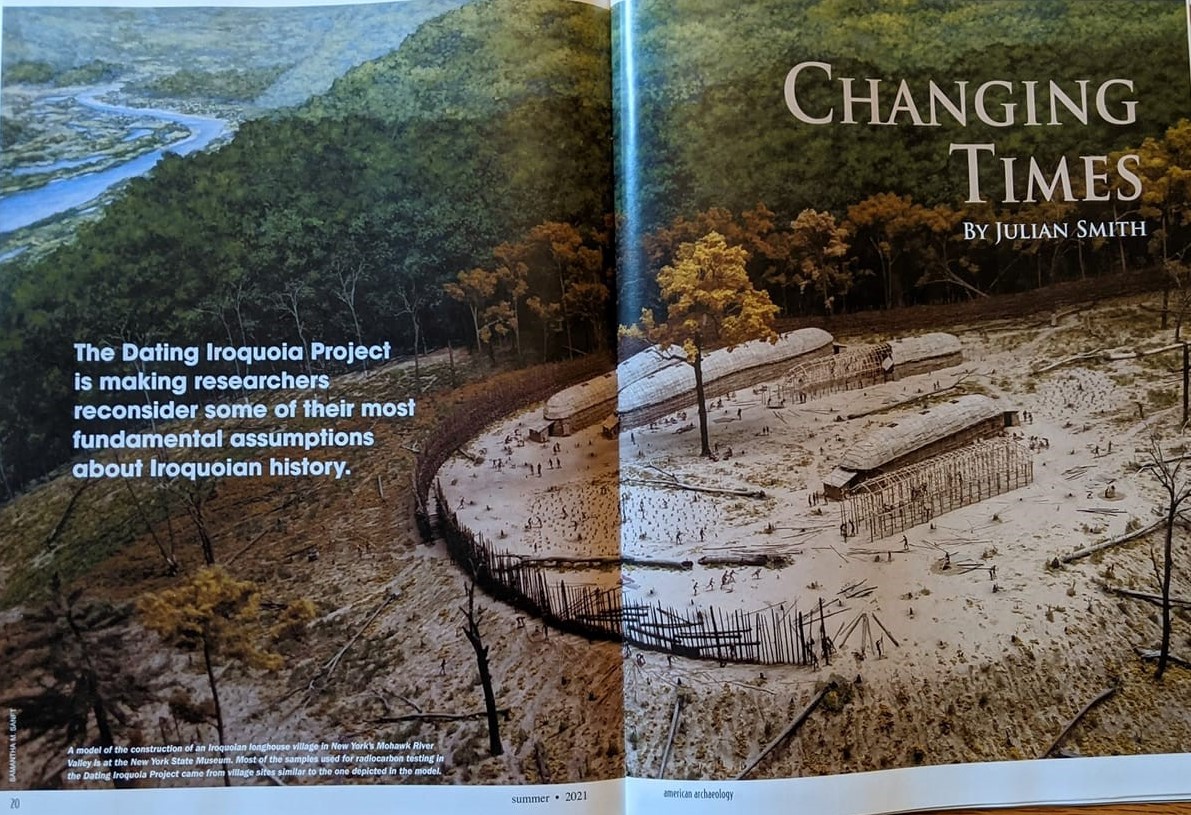
    Chronologies fundamentally underpin all other aspects of archaeological thought. When our timeframes shift, so to does the historical interpretive framework or scaffolding upon which we build our explanations for how […]

  • “The shipwreck in a diamond mine”: Identifying Elephant Herds from the ivory cargo in the 16th century

    Rye Free Reading Room 1061 Boston Post Road, Rye, NY, United States

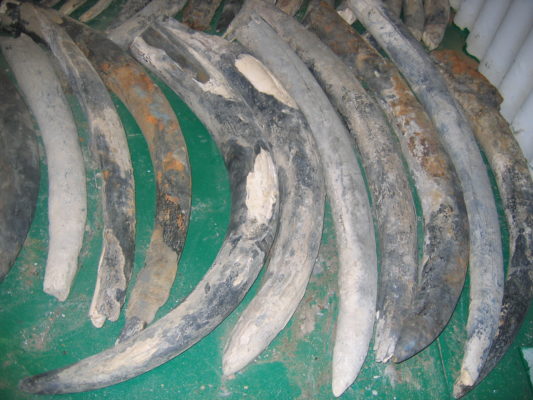
    Whilst mining for diamonds in 2008, mine workers in Oranjemund, Namibia found over 40 tons of cargo from a shipwreck buried under the sand for centuries. The ship is likely the Portuguese vessel Bom Jesus, which wrecked off the coast of Namibia in 1533 AD, and the artefacts found reveal aspects of European trade and […]

  • Montaukett Indian Archaeology: The Fowler House in East Hampton, NY

    Rye Free Reading Room 1061 Boston Post Road, Rye, NY, United States

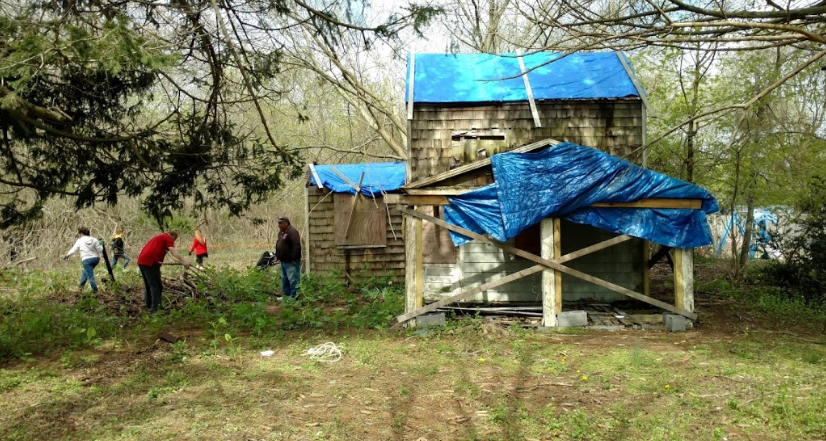
    The Fowler House provides an extraordinary glimpse into the lives of Montaukett Indians on Long Island over a century ago. This storied house is a powerful reminder that Native American history is an integral part of American heritage locally, regionally, and nationally. The small vernacular saltbox house was once owned by George Fowler, a Montaukett […]

  • Egyptology and Race

    Rye Free Reading Room 1061 Boston Post Road, Rye, NY, United States

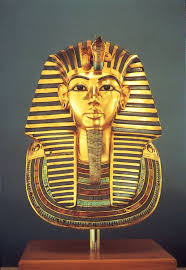
    Egyptologists make decisions about how to define the discipline. They make decisions involving time, space, and values. These actions are perfectly normal in that there is a limit as to how much data one mind can absorb. One also has the opportunity to stand back and view these decisions in aggregate. This especially applies to […]