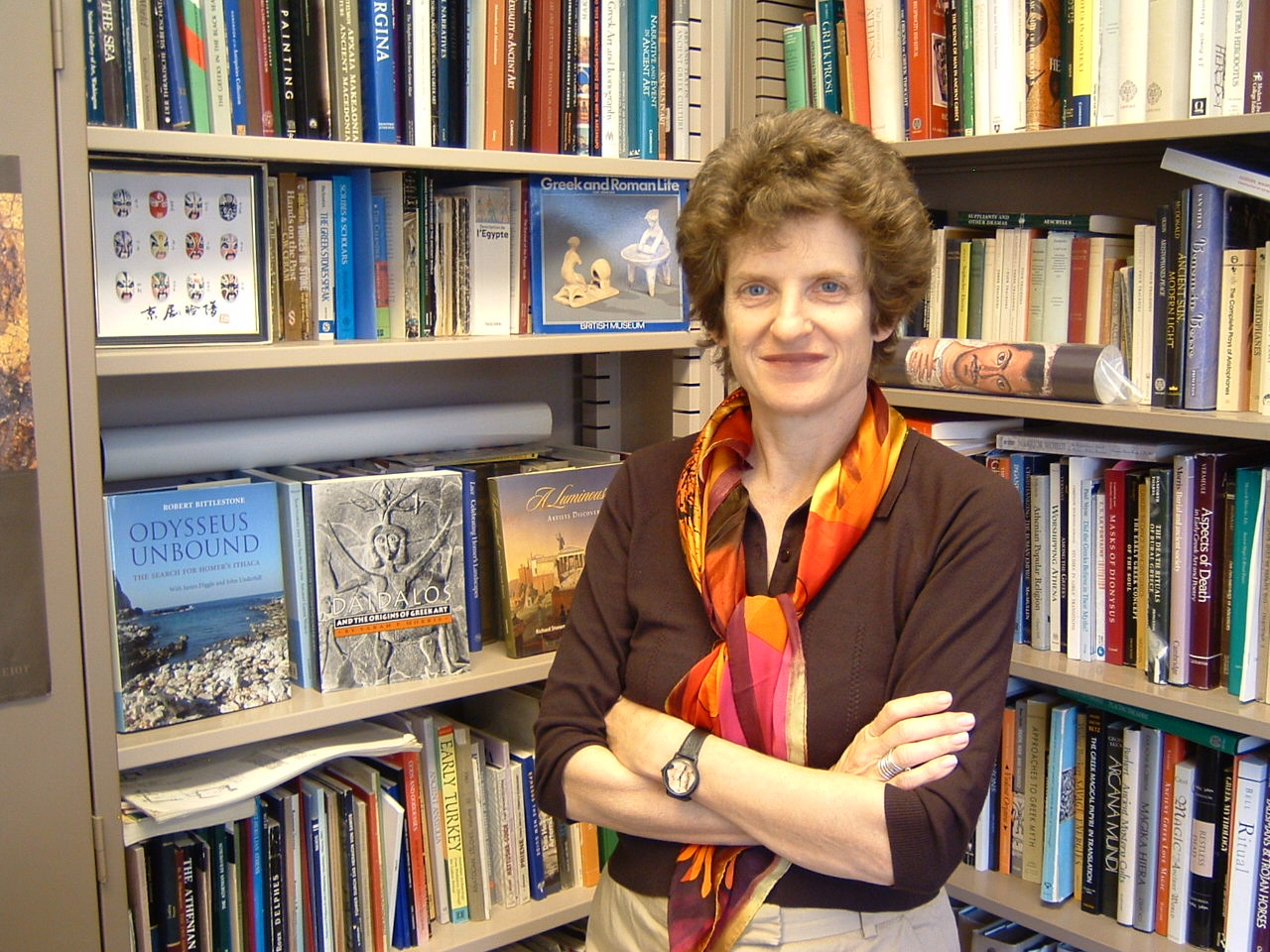
Sarah Morris is a classicist and archaeologist in the Department of Classics and the Cotsen Institute of Archaeology at UCLA. A graduate of the University of North Carolina at Chapel Hill, she received her doctorate in Classics at Harvard University, and taught at Yale University before joining the UCLA faculty in 1989, where she served as Department Chair at UCLA from 1997-2000 and chair of the Interdepartmental Ph.D. program in Archaeology at the Cotsen Institute of Archaeology from 2001-2004. She was named Steinmetz Professor of Classical Archaeology and Material Culture at UCLA in 2001.
Her training and research involve the interaction of Greece with its Eastern neighbors, in art, literature, religion and culture. Her chief book on the subject, Daidalos and the Origins of Greek Art (Princeton, 1992) won the James Wiseman Book Award from the Archaeological Institute of America for 1993. She has also edited (with Jane Carter) a volume of essays, The Ages of Homer (Texas, 1995), on the archaeological, literary, and artistic background and responses to Greek epic poetry. A practicing field archaeologist, she has worked in Israel, Turkey, Greece, and Albania, and has recently completed a field project at Methone in northern Greece.
Her teaching and research interests include early Greek literature (Homer, Hesiod and Herodotus), Greek religion, prehistoric and early Greek archaeology, ceramics, Greek architecture and landscape studies, and Near Eastern influence on Greek art and culture.
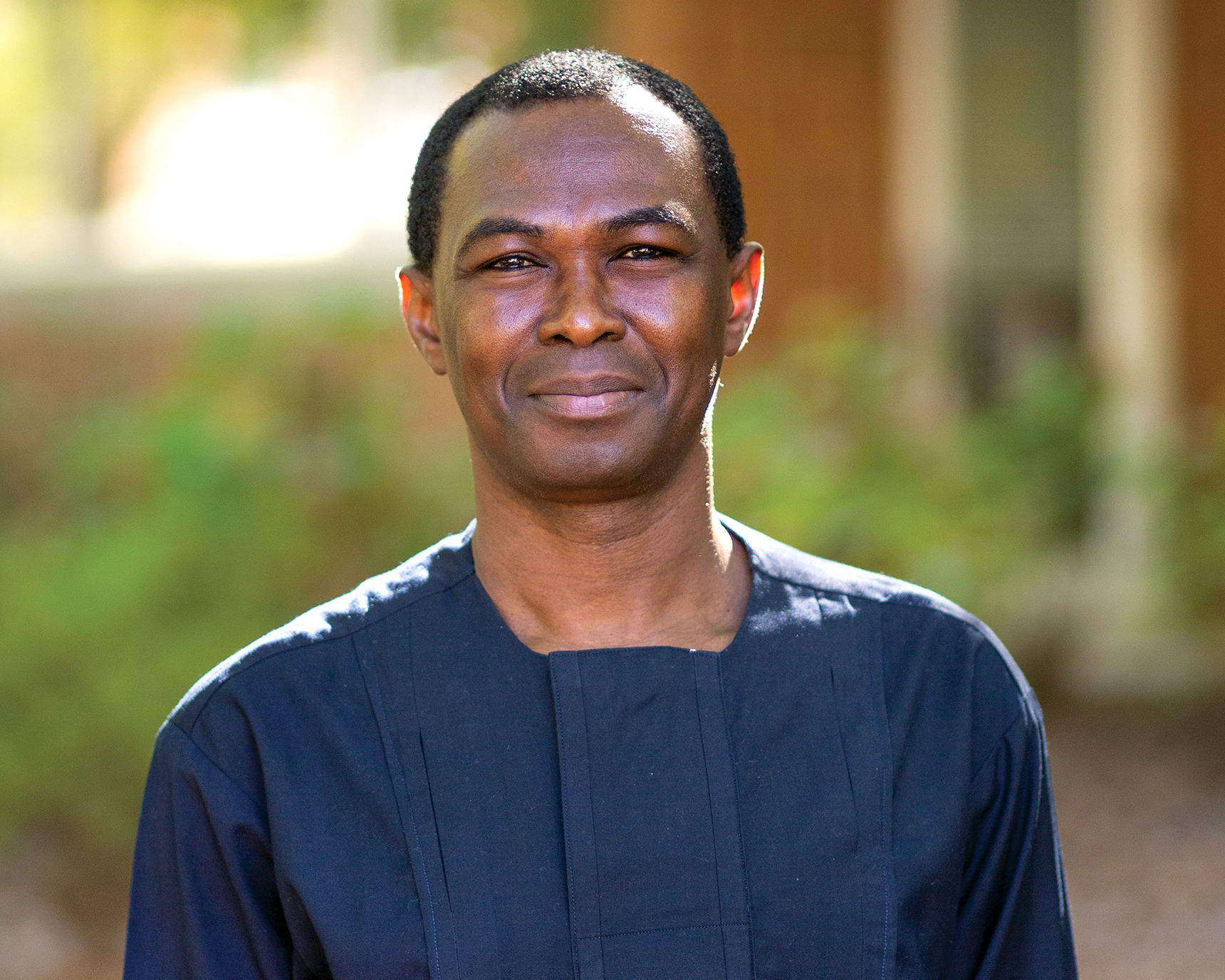
Professor Akin Ogundiran is the Cardiss Collins Professor of Arts and Sciences, Professor of History, and Affiliate Professor in Anthropology and Black Studies at Northwestern University. He is also the current President of the Society of Africanist Archaeologists and past Editor-in-Chief of African Archaeological Review. He received his PhD from Boston University. His research interests focus on empire, urbanism, class, gender, household formation, and landscape history over the past 2500 years in the Yoruba World (West Africa) and the Black Atlantic, from the Early Iron Age (500 BC–AD 40) to the Early Modern Period (AD 1500-1840). His research has been supported by several institutions, including AIA-NEH, National Humanities Center, National Geographic, Wenner-Gren Foundation, and American Philosophical Society. Professor Ogundiran is the author of several award-winning publications, including Materialities of Ritual in the Black Atlantic (Indiana University Press, 2014), which won Choice’s Outstanding Academic Title in 2015, and The Yoruba: A New History (Indiana University Press, 2020), recipient of the 2022 Vinson Sutlive Book Prize and the 2022 Isaac Oluwole Delano Prize for Yoruba Studies. He is a Fellow of the Society of Antiquaries of London and a Member of the Nigerian Academy of Letters. He was one of the AIA Joukowsky lecturers for the 2024/2025 National Lecture Program season.
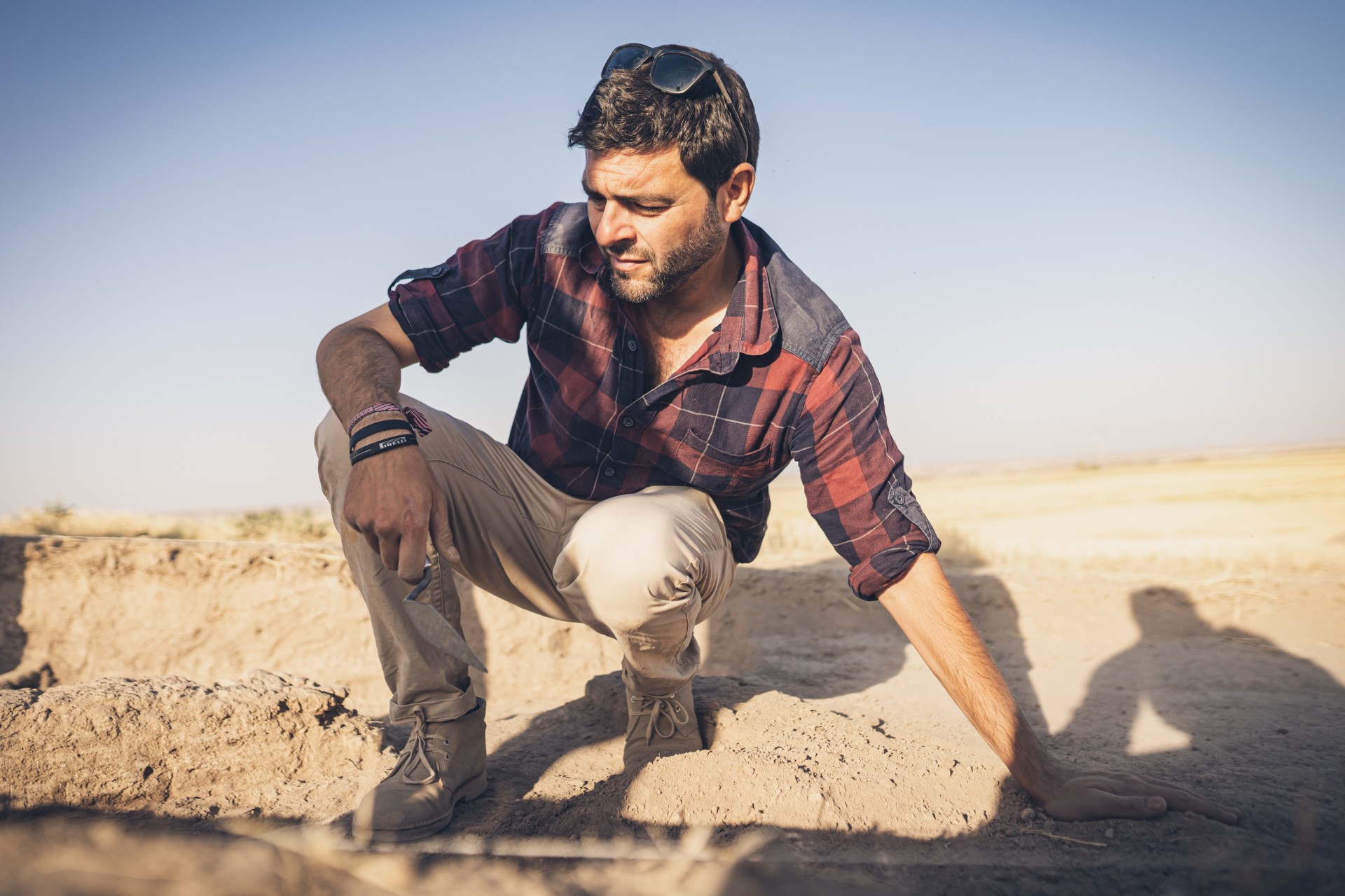
Rocco Palermo is Assistant Professor of Classical and Near Eastern Archaeology at Bryn Mawr College, where he specializes in the archaeology of imperial landscapes and socio-cultural transformation in South-West Asia, and more specifically in Mesopotamia from the Iron Age to the Roman period. His work investigates how ancient empires shaped — and were shaped by — rural communities, local economies, and environmental change across the longue durée.
Before joining Bryn Mawr in 2023, Rocco held academic positions at University of Pisa (Italy) as a Researcher, and at University of Groningen (Netherlands) as a Postdoctoral Fellow. He earned his Ph.D. jointly from the University of Naples Federico II (Italy) and Université Paris 1 Panthéon-Sorbonne (France). His dissertation was then turned into a well-received and extensively reviewed book: On the Edge of Empires. Northern Mesopotamian during the Roman Period (Routledge 2019).
He has extensive field experience across Iraq, Syria, Jordan, Oman, Canada, and Italy. He currently directs the Gird-i Matrab Archaeological Project (GMAP) in the Erbil Plain (Iraqi Kurdistan), a long-term regional investigation on the development of rural communities in times of radical socio-cultural transformation in Mesopotamia, namely the Chalcolithic period (5th – 4th millennia BCE), and the Hellenistic and Parthian-Roman phases (late 4th c. BCE – late 2nd c. CE). He previously served as Associate Director of the Erbil Plain Archaeological Survey (Harvard University), and he was a senior team member of the Land of Nineveh Archaeological Project (University of Udine), both in the Kurdistan Region of Iraq. His research has been supported by major international funding bodies, including the European Science Foundation, the Gerda Henkel Foundation, and, more recently, a 2025 Loeb Classical Library Foundation Fellowship. He regularly publishes in leading peer-reviewed journals and edited volumes. Rocco is currently working on his second monograph, People, Peasants, and the Empire. Landscapes and Settlement Evolution in Mesopotamia from the Iron Age to Rome, under contract with Cambridge University Press.
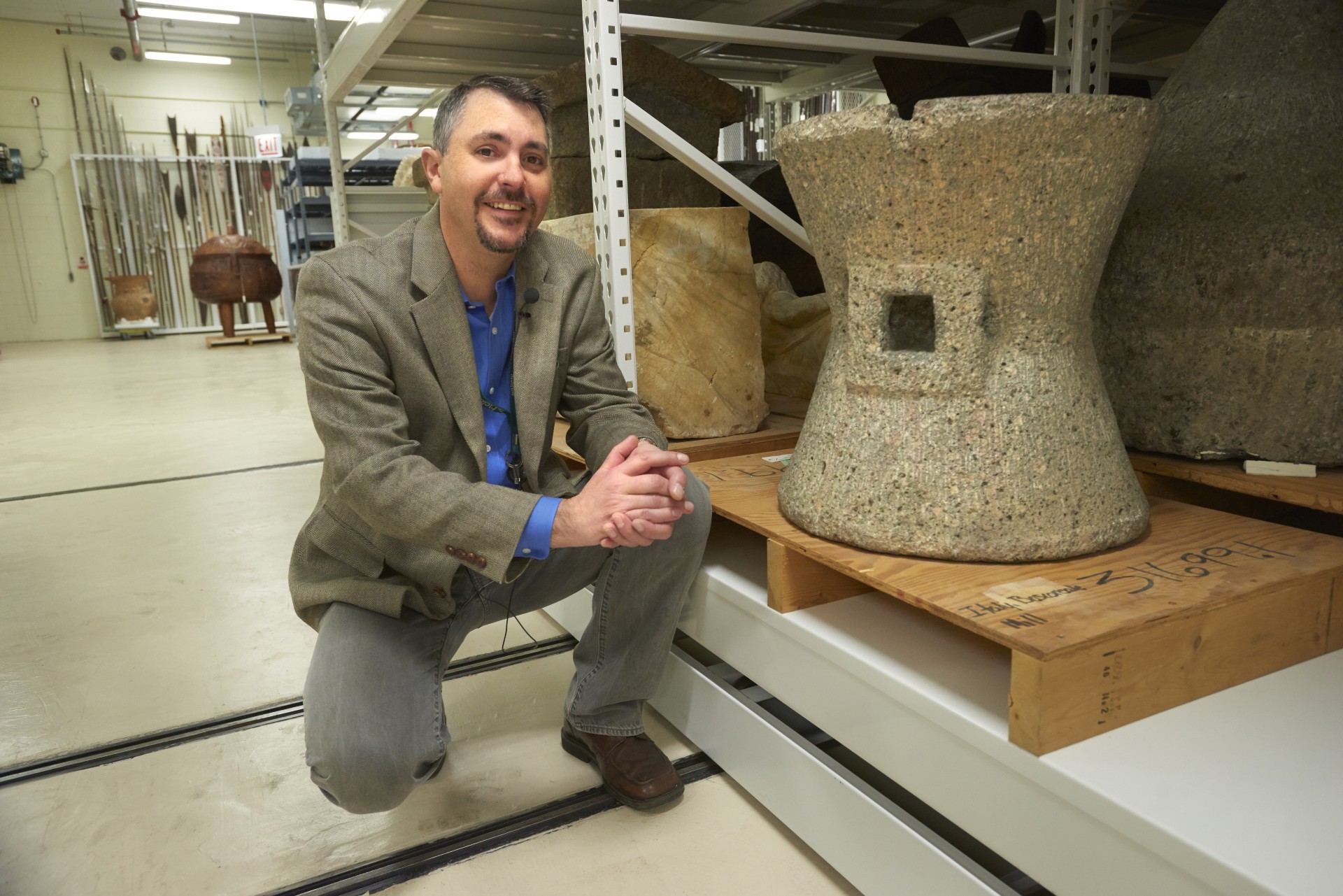
William (Bill) Parkinson is an archaeologist who specializes in European and Eastern Mediterranean Prehistory. His anthropological and archaeological research explores the social dynamics of early village societies and the emergence of early states. He has over 30 years experience conducting archaeological field work and developing museum exhibitions for the Field Museum. He and Attila Gyucha co-direct the Körös Regional Archaeological Project, an international, multi-disciplinary research project aimed at understanding the social changes that occurred on the Great Hungarian Plain throughout the Holocene. Bill also co-directs the Southern Mani Archaeological Project with Chelsea Gardner and Rebecca Seifried, an archaeological project that explores the social changes that occurred on the southern Greek mainland. In addition to his research in Europe, Bill also runs an archaeological project in Illinois.
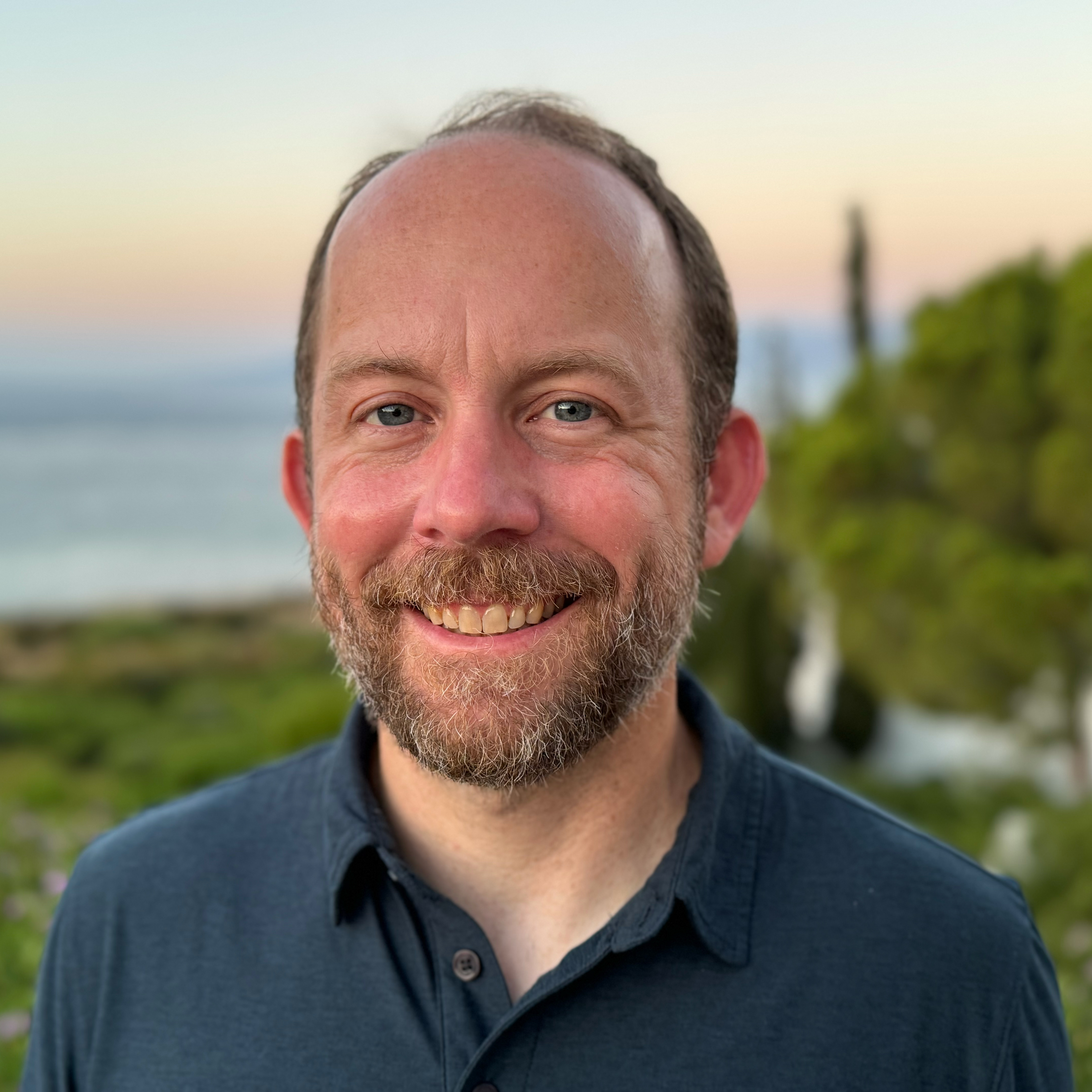
Tate Paulette is an archaeologist and Associate Professor in the Department of History at North Carolina State University. He has conducted archaeological fieldwork in Syria, Iraq, Egypt, Cyprus, Turkey, Scotland, and the United States and currently co-directs excavations at the site of Makounta-Voules-Mersinoudia in western Cyprus. He is author of In the Land of Ninkasi: A History of Beer in Ancient Mesopotamia and editor of the forthcoming A Cultural History of Wine in Antiquity.
Public websites:
https://chass.ncsu.edu/people/tpaulet/
https://ncsu.academia.edu/TatePaulette
https://makountavoules.com/

Megan A. Perry is Professor of Anthropology at East Carolina University. She holds her degrees from the University of New Mexico (Ph.D.), Case Western Reserve University (M.A.), and Boston University (B.A.). Her primary research interests involve investigating human skeletal remains to assess ancient disease, diet, and mobility patterns, in addition to mortuary practices of ancient populations in 1st to 6th century A.D. Jordan. Her bioarchaeological research at Petra focuses on how one neighborhood in the ancient city adapted to their increasingly urban environment through evidence of physiological stress, isotopic evidence of diet and migration, population demography, and sources of the site’s most important resource, water. Professor Perry has been working on archaeological projects in Jordan for over 30 years, and she is on the Board of Trustees of the American Center of Research (ACOR) in Amman, Jordan.
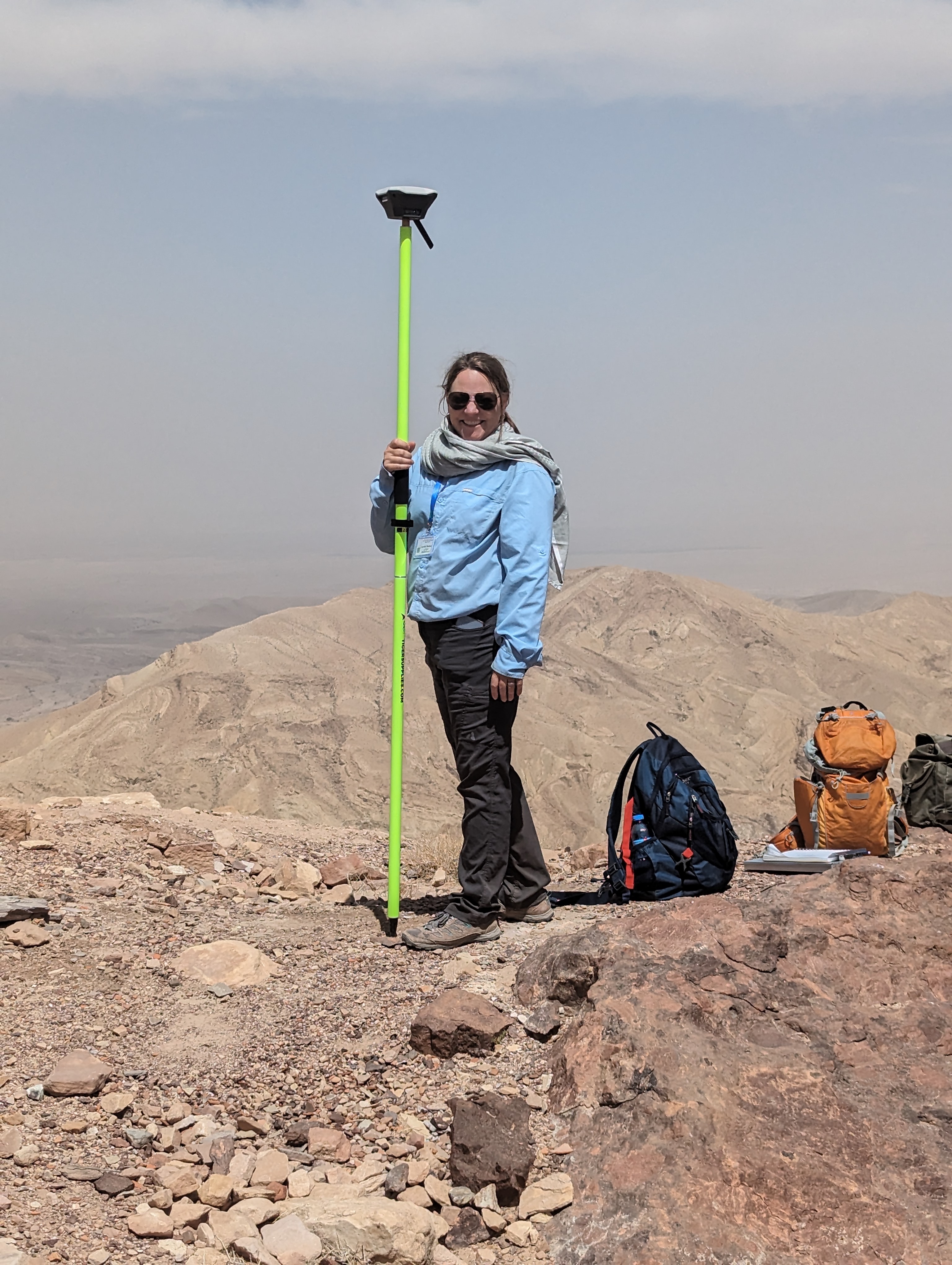
Jennifer Ramsay is a Professor in the Department of Anthropology at SUNY Brockport; she holds her degrees from Simon Frasier University (Ph.D.), the University of Sheffield (MSc.), and the University of Victoria (B.A.). She is the recipient of the AIA’s Excellence in Undergraduate Teaching Award (2019) and a State University of New York Chancellor’s Award for Teaching Excellence (2014). Her research interests include archaeobotany, subsistence reconstruction, trade patterns, environmental change and Nabataean origins. She is currently co-director of the Continuity and Transition in Southern Jordan project and was the associate director and archaeobotanist for the Petra Garden and Pool Complex and assistant director and archaeobotanist for the Petra North Ridge Project. She also serves as an archaeobotanist for an array of other sites including Caesarea Martima, Legio VI Ferrata, the Roman Villa at Grace (Sicily), the Tall al-Umayri Project, and the Roman Aqaba Project. A few of her recent publications include “Aspects of Zoroastrian Traditions in Nabataean Petra” (with A. Smith II and B. Anderson in press for the Journal of Eastern Mediterranean Archaeology and Heritage 2025), “Funerary dining or offerings for the dead? An archaeobotancial analysis of remains from shaft tombs in Petra, Jordan “ (with M. Perry in Levant 54, 2022), “A Diachronic Look at the Agricultural Economy at the Red Sea Port of Aila: An Archaeobotanical Case for Hinterland Production in Arid Environments” (with S.T. Parker in The Bulletin of the American Schools of Oriental Research 376, 2016) and “For the Birds – An Environmental Archaeological Analysis of Byzantine Pigeon Towers at Shivta (Negev Desert, Israel), (co-authored, Journal of Archaeological Science: Reports, October 2016).